
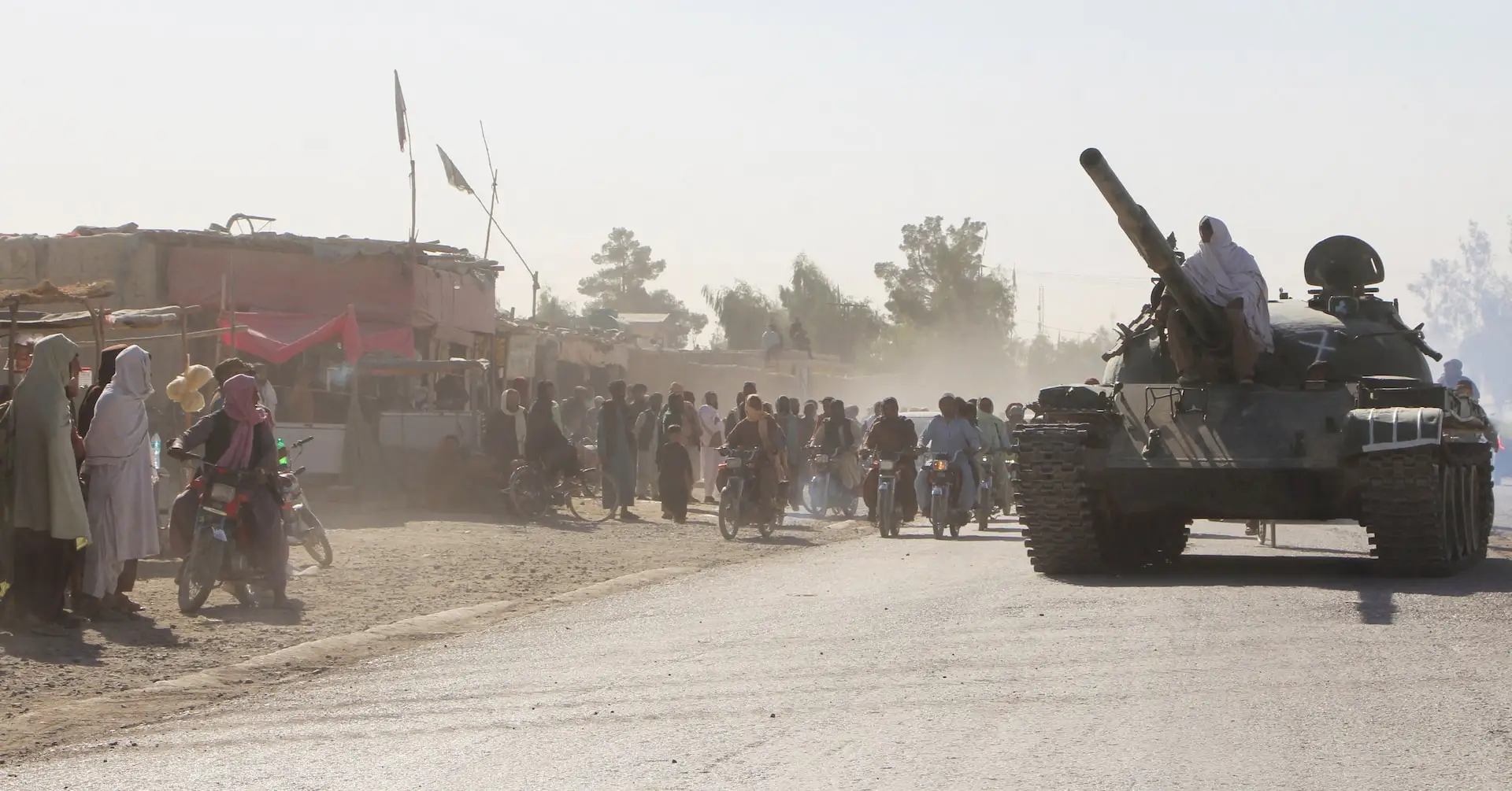
The complex interplay of international relations often shapes not just global events but also the very landscape of competitive examinations like UPSC, SSC, and state PSCs. Understanding India’s diplomatic responses to regional challenges is crucial for every aspiring candidate. Currently, India is maintaining a sharp focus on the evolving situation between Afghanistan and Pakistan, a dynamic laden with significant geopolitical implications, especially concerning regional security and the persistent issue of cross-border terrorism.
India’s Vigilant Posture: A Strategic Overview
India’s Ministry of External Affairs (MEA) has officially confirmed that the nation is closely observing developments along the Afghanistan-Pakistan border. This isn’t merely passive observation; it’s a strategic monitoring effort that reflects India’s deep-seated interest in regional stability and its own national security. When official statements are made, as recently articulated by MEA spokesperson Randhir Jaiswal in New Delhi, they carry the weight of India’s foreign policy and offer critical insights into its diplomatic priorities. For competitive exams, understanding *why* India monitors such situations – often linked to security, trade routes, and regional influence – is as important as knowing *what* is being monitored. This vigilance forms a cornerstone of India’s foreign policy, especially in its immediate neighborhood, where geopolitical shifts can have direct impacts on internal security and economic interests.
Unmasking the Terror Nexus: Pakistan’s Role and India’s Concerns
A key aspect of India’s assessment of the Afghanistan-Pakistan situation revolves around the undeniable evidence of Pakistan’s historical and ongoing links to terrorism. India has consistently pointed out that Pakistan provides safe havens for various terrorist organizations and actively sponsors their nefarious activities. This isn’t a new accusation but a deeply entrenched pattern, as highlighted by India’s External Affairs Ministry. Pakistan’s tendency to deflect blame onto its neighbors for its internal security challenges is a well-documented practice that India has repeatedly condemned. For exam aspirants, grasping this critical insight into Pakistan’s foreign policy and its implications for regional counter-terrorism efforts is vital for subjects like International Relations and Internal Security. It necessitates understanding the difference between state-sponsored terrorism and non-state actors, and how a nation’s internal policies can externalize instability.
Geopolitical Resonance for Your Exam Preparation
The intricacies of India’s stance on the Afghanistan-Pakistan situation, particularly its unequivocal condemnation of state-sponsored terrorism, hold immense relevance for your competitive exam preparation. This topic directly feeds into Current Affairs, International Relations, and General Knowledge modules for exams like UPSC Civil Services, SSC CGL, and various State Public Service Commissions. Questions can arise about India’s foreign policy objectives, its strategies for regional stability, or even the role of international organizations in addressing cross-border terrorism. By analyzing such news, you develop a nuanced understanding of global power dynamics, the challenges of counter-terrorism, and India’s assertive role in shaping a secure regional environment. This goes beyond memorizing facts; it involves critically analyzing the ‘why’ and ‘how’ of diplomatic statements and their broader implications for national and international security.
Frequently Asked Questions
Q1: Why is India closely monitoring the Afghanistan-Pakistan situation, and what are its primary concerns?
A1: India’s close monitoring stems from its strategic interests in regional stability and national security. Its primary concerns include the proliferation of terrorism, the potential for an unstable Afghanistan to become a hub for anti-India activities, and the impact on connectivity projects and trade routes through the region. Any instability or terrorist activity emanating from this region directly impacts India’s borders and internal security.
Q2: What does India mean by alleging Pakistan hosts and sponsors terrorist organizations?
A2: When India states that Pakistan hosts and sponsors terrorist organizations, it refers to credible intelligence and evidence suggesting that Pakistan provides financial, logistical, and material support, as well as safe havens, to various militant groups. These groups often operate with impunity from Pakistani soil and are used as instruments of state policy against neighboring countries, including India and Afghanistan.
Q3: How does Pakistan’s alleged practice of blaming its neighbors for its internal issues factor into India’s assessment?
A3: India views Pakistan’s tendency to blame neighbors for its internal problems as a tactic to deflect international and domestic scrutiny from its own policies that fuel extremism and instability. This practice, often seen as a diversionary tactic, makes genuine dialogue and cooperative efforts to combat terrorism more challenging, as it avoids addressing the root causes of radicalization within Pakistan.
Q4: Which specific competitive exam subjects or topics would cover this geopolitical development?
A4: This development is highly relevant for Current Affairs, International Relations (especially India’s neighborhood policy and foreign policy), Internal Security, and General Knowledge sections across exams like UPSC Civil Services, SSC CGL, Bank PO, and State PSCs. Candidates should be prepared for questions on regional security architecture, counter-terrorism strategies, and India’s diplomatic standpoints.
Q5: What is the significance of the Ministry of External Affairs spokesperson’s statement on this matter?
A5: An official statement from the Ministry of External Affairs spokesperson carries significant weight as it represents India’s official diplomatic position and policy outlook on critical international issues. Such statements are carefully worded to convey India’s stance to the international community, outline its concerns, and reiterate its principles, making them crucial pieces of information for anyone studying international relations or preparing for competitive exams.





