
Mastering the NIFT Situation Test: Why Home Practice is the Key to Success
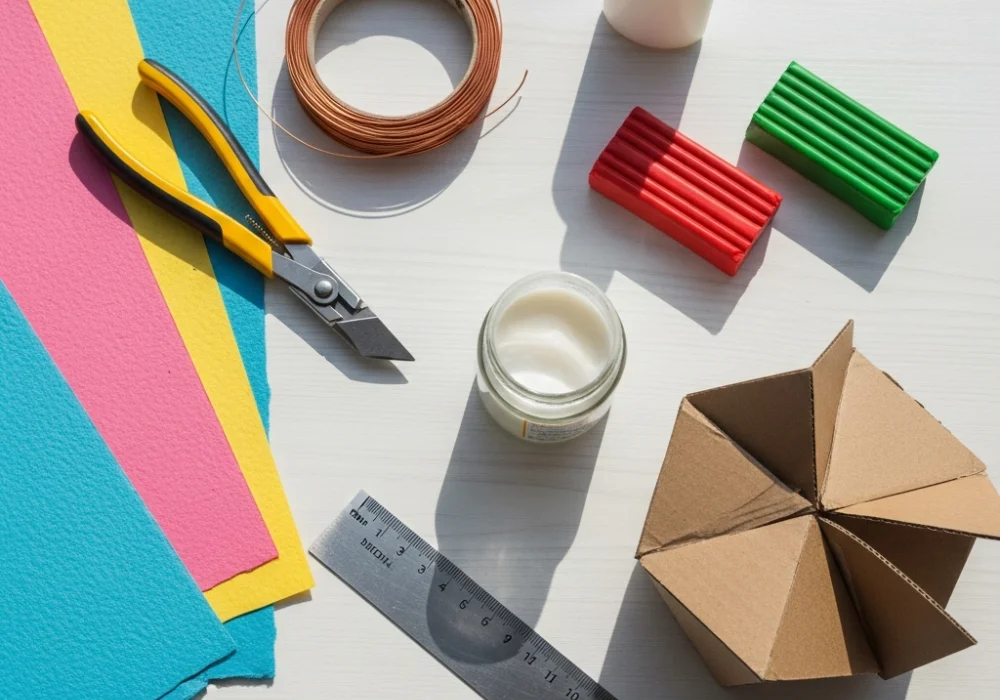
The NIFT Situation Test is the final hurdle for students aspiring to join one of India’s premier design institutes. After clearing the NIFT DAT Prelims, the Situation Test evaluates your material handling skills, creativity, and ability to translate a 2D concept into a 3D model under time pressure. Success in this stage doesn’t happen by accident; it requires rigorous home practice with the right tools. Understanding the NIFT Situation Test material list is the first step toward building a winning portfolio of models.
At myentrance.in, we understand that students often feel overwhelmed by the variety of materials used in the exam. To help you prepare, we have curated a comprehensive guide that mirrors the latest pattern of the exam. Our mock tests and study materials are specifically designed to give you an edge in both the GAT and the Situation Test phases.
Essential NIFT Situation Test Material Checklist
During the actual exam, you are provided with a limited kit of materials. You are not allowed to use any external items. Therefore, your home practice should strictly mimic the kit provided by NIFT. Here are the core materials you must have in your toolkit:
- Mount Board and Ivory Board: These are the foundations of most models. Use mount board for sturdy bases and ivory board for cleaner, foldable structures.
- Cardboard (Corrugated and Thin): Corrugated sheets are excellent for creating texture and volume, while thin cardboard allows for intricate bending.
- Handmade Paper and Glaze Paper: Essential for adding color and texture. Practice using glaze paper for shiny surfaces and handmade paper for organic, earthy feels.
- Wire (Copper or Aluminum): Wire is used for creating frameworks or adding linear elements to your design. Learn how to twist and bend it without breaking the overall aesthetic.
- Clay or Plasticine: Used for molding organic shapes. Practice making smooth finishes, as clay can often look messy if handled poorly.
- Transparent Sheets (OHP Sheets): These are perfect for depicting glass, water, or windows in your architectural or product models.
- Straws, Cotton, and Thermocol: These materials test your ability to use mundane items creatively. Straws can be used for structural pillars, while cotton can represent smoke or soft textures.
- Adhesives: Fevicol (white glue), glue sticks, and masking tape. Note that some centers may restrict the use of quick-fix glues, so practice primarily with white glue.
Comparative Analysis: Material Usage and Skills Tested
Different materials test different aspects of your design thinking. The following table illustrates how to categorize your practice sessions based on the material’s property:
| Material Category | Primary Usage in Models | Key Skill Tested |
|---|---|---|
| Rigid (Cardboard/Mount Board) | Structural base, walls, furniture | Precision cutting and stability |
| Flexible (Paper/Cloth) | Curving surfaces, drapes, clothing | Manipulation and folding (Origami) |
| Linear (Wire/Thread) | Borders, suspension, details | Fine motor skills and connectivity |
| Malleable (Clay/Plasticine) | Organic forms, human figures | Sculpting and 3D visualization |
Tools Every Design Aspirant Needs at Home
While the materials listed above are consumed during the model-making process, you also need a set of high-quality tools to manipulate them. Ensure you have the following at your workstation:
- Steel Ruler: A metal scale is better than plastic for cutting, as it doesn’t get nicked by the blade.
- Paper Cutter and Scissors: Always keep sharp blades. A dull blade leads to ragged edges, which can result in negative marking.
- Compass and Protractor: Essential for geometric precision.
- Pencils and Erasers: For sketching your initial plan on the materials.
- Sandpaper: Useful for smoothing edges of thermocol or wood pieces if provided.
Tips for Practicing the NIFT Situation Test at Home
Simply having the materials isn’t enough. You must practice with a strategy. Here are some expert tips from the mentors at myentrance.in:
1. Time Management is Crucial
The exam usually lasts two hours. Spend the first 15 minutes planning and sketching, the next 90 minutes building, and the final 15 minutes writing your write-up. Practice this cycle at home using our online mock tests to get used to the ticking clock.
2. Focus on the Write-up
The write-up is as important as the model. It explains your concept and material choice. Use design terminology like ‘symmetry’, ‘rhythm’, ‘contrast’, and ‘balance’ to impress the evaluators.
3. Cleanliness and Neatness
In the latest pattern, evaluators look for ‘neatness of construction’. Excessive glue marks or jagged edges can lower your score. Practice joining materials invisibly or using tape strategically.
4. Innovation with Limitations
Try to use every material provided in the kit. If they give you a piece of bubble wrap, don’t just set it aside—use it for texture or as a creative element in your model.
Frequently Asked Questions (FAQ)
What is the most important material in the NIFT Situation Test?
While all materials are important, Mount Board and Cardboard are the most critical as they provide the structural integrity for your 3D model. Most models fail if the base or the main structure is weak.
Can I carry my own glue or cutters to the exam?
Generally, NIFT provides a basic tool kit. However, rules can vary slightly between centers. You should practice with basic stationery like a cutter, scissors, and Fevicol, as these are the standard tools provided.
How do I improve my material handling skills?
The best way to improve is through repetition. Try to build the same model using different materials. For example, try making a chair out of wire, then out of cardboard. This helps you understand the strengths and weaknesses of each material.
Where can I find practice questions for the Situation Test?
You can find a wide range of previous year themes and practice questions on myentrance.in. We provide mock scenarios that challenge your creativity and help you prepare for the unexpected nature of the exam.
Does the color of the paper matter?
Yes, color theory plays a role in design. Use colors that align with your theme. For example, use cool colors like blue and green for themes related to nature or water, and warm colors like red or orange for energetic themes.
🚀 Ready to Ace the NIFT Situation Test?
Get access to exclusive mock tests, expert-led guidance, and comprehensive study materials tailored for the latest pattern. Don’t leave your design career to chance!
For personalized mentorship or to clear your doubts about the NIFT, NIFT GAT, or Kerala PSC exams, our experts are just a message away.
💬 Chat with our Experts on WhatsApp (+91 9526806124)




