
At myentrance.in, we believe comprehensive preparation is the cornerstone of competitive exam success. Our platform offers an unparalleled suite of educational resources, from interactive examinations and current affairs analysis to daily news quizzes and indispensable static general knowledge, meticulously designed for aspirants targeting UPSC, SSC, PSC, NID, NIFT, and various government examinations. Dive with us into the profound depths of India’s cultural and historical narratives, transforming complex topics into accessible, exam-ready knowledge.
The journey towards securing a prestigious government position, whether it be through UPSC, SSC, or other highly competitive examinations, demands not just factual recall but a holistic understanding of India’s intricate past and vibrant present. A significant, often underestimated, segment of these exams pertains to our nation’s rich history and diverse cultural heritage. It’s not merely about knowing dates or names; it’s about comprehending the societal fabric, the philosophical underpinnings, and the evolving traditions that have shaped India into the unique entity it is today. Mastering this domain provides a critical advantage, distinguishing well-rounded candidates from others.
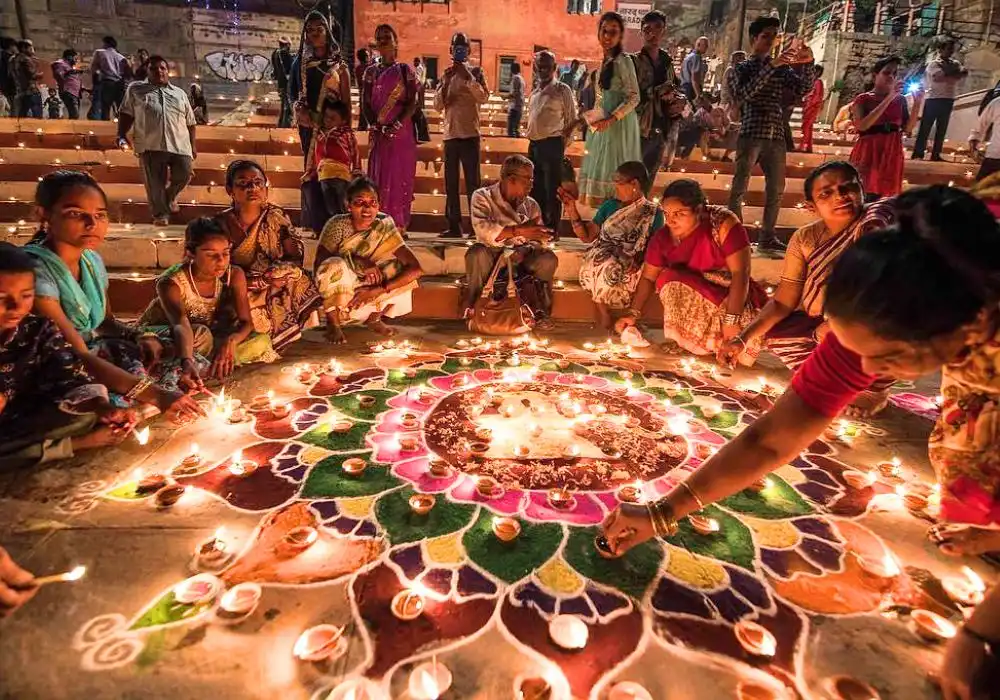
Many cultural phenomena, including our annual festivals, carry layers of historical, linguistic, and regional significance that are fertile ground for challenging examination questions. For instance, exploring the nuanced terminology associated with celebrations, from Persian influences like ‘Roshni-e-Zeest’ (meaning ‘light of life’) reflecting shared heritage, to Sanskrit or regional terms such as ‘Dipapratipadutsava’ (a reference to the festival of lamps and its first day), reveals a deeper understanding of India’s syncretic culture. Such terms are not isolated facts but windows into historical interactions, linguistic evolution, and regional interpretations of pan-Indian traditions. Grasping these intricate details is paramount for excelling in static general knowledge sections, where a broad yet deep understanding of cultural nuances is frequently tested.
Myentrance.in is meticulously crafted to bridge this knowledge gap. Our interactive examinations and detailed answers don’t just test your memory; they guide you through the contextual understanding required to tackle complex questions efficiently. We integrate historical data with contemporary relevance, ensuring that your preparation for subjects like Indian History and Culture is robust and future-proof. Our daily news quiz frequently draws connections between current events and India’s heritage, demonstrating how culture remains a living, evolving entity, while our extensive repository of static general knowledge offers a structured approach to mastering foundational concepts that are vital for all government exams.
A strong grasp of India’s cultural tapestry equips aspirants with a significant edge. It enhances critical thinking, allowing for better comprehension of essay topics and interview questions that delve into societal issues, national identity, and policy implications. Furthermore, it prepares you for those ‘unexpected’ questions that distinguish top performers. Examiners often seek candidates who demonstrate not just rote learning but a genuine appreciation and analytical perspective on India’s legacy. Our examination tips section provides strategies on how to approach such multi-faceted questions, encouraging an interdisciplinary study approach that connects history, geography, economy, and social aspects within a cultural framework.
To illustrate the depth and diversity of cultural questions you might encounter, here are five sample questions designed to test your understanding beyond the surface level, along with explanations of their importance for exam preparation.
Sample Questions & Answers
1. Question: Consider the following statements regarding the festival of Diwali across different regions of India:
1. In West Bengal, Kali Puja is often celebrated during the Diwali period, signifying the triumph of good over evil.
2. Diwali in South India, particularly Tamil Nadu, is known as Naraka Chaturdashi, celebrated for the vanquishing of the demon Narakasura by Lord Krishna.
3. In some parts of Maharashtra, Bali Pratipada is observed, commemorating King Bali’s return to Earth.
Which of the statements given above are correct?
(A) 1 and 2 only
(B) 2 and 3 only
(C) 1 and 3 only
(D) 1, 2 and 3
Answer: (D) 1, 2 and 3
Importance for Exams: This question exemplifies how competitive exams assess a candidate’s understanding of India’s vast regional diversity within a common cultural theme. It tests the knowledge of specific regional names, associated deities, and mythologies, which are common factual inquiries in Static GK for UPSC, SSC, and PSC examinations, often presented in multiple-statement formats to evaluate comprehensive recall.
2. Question: The term ‘Roshni-e-Zeest’, while not directly a traditional Indian festival name, embodies a concept found frequently in Sufi poetry and Indo-Persian cultural exchange. What does it metaphorically represent in this context?
(A) The physical light of lamps during festivals.
(B) The spiritual illumination or ‘light of life’ that guides human existence.
(C) A specific form of traditional dance.
(D) An ancient architectural style.
Answer: (B) The spiritual illumination or ‘light of life’ that guides human existence.
Importance for Exams: This type of question delves into the syncretic nature of Indian culture, exploring linguistic influences and philosophical concepts from various traditions. It assesses an aspirant’s ability to interpret less common terms within a broader cultural and historical context, critical for understanding the rich tapestry of Indian heritage, particularly in UPSC’s culture section.
3. Question: Which of the following ancient texts or epics mentions celebrations akin to ‘Dipapratipadutsava’ (a festival of lamps or lights on the first day), highlighting the symbolic significance of light over darkness?
(A) Rig Veda
(B) Manusmriti
(C) Skanda Purana
(D) Arthashastra
Answer: (C) Skanda Purana
Importance for Exams: This question requires precise knowledge of ancient Indian literature and their specific contents related to cultural practices and festivals. It tests the depth of historical understanding and the ability to attribute cultural phenomena to their textual origins, which is a standard expectation in the History and Culture sections of government and civil service examinations.
4. Question: Beyond its religious connotations, how does the annual celebration of festivals like Diwali contribute to the Indian economy and society, from an examinable perspective?
(A) Primarily through increased demand for agricultural products.
(B) By boosting seasonal employment, handicraft industries, and retail sectors.
(C) Only by promoting religious tourism to specific sites.
(D) It has no significant economic or social impact beyond individual households.
Answer: (B) By boosting seasonal employment, handicraft industries, and retail sectors.
Importance for Exams: This question encourages an analytical and interdisciplinary approach, connecting cultural events with their broader socio-economic implications. Such questions are prevalent in UPSC Mains (General Studies Paper I and III), where candidates are expected to understand the multi-faceted impact of cultural practices on development, and sometimes appear in Prelims under Current Affairs or Economy topics linked to culture.
5. Question: In the context of ancient Indian education and learning, which of the following best describes the ‘Gurukul’ system’s approach to transmitting cultural knowledge and values?
(A) Primarily through memorization of scriptures without practical application.
(B) A holistic approach integrating academics, practical skills, and ethical values through lived experience.
(C) Restricted only to specific Brahmin communities.
(D) Focused solely on warfare and statecraft.
Answer: (B) A holistic approach integrating academics, practical skills, and ethical values through lived experience.
Importance for Exams: This question, while not directly about a festival, falls squarely within the ‘History and Culture’ domain, specifically focusing on ancient Indian social structures and educational systems that were instrumental in cultural transmission. Understanding such foundational aspects is crucial for a comprehensive grasp of Indian heritage, regularly tested in UPSC and PSC examinations.





