
Unveiling Mizoram’s Gateway to the Nation
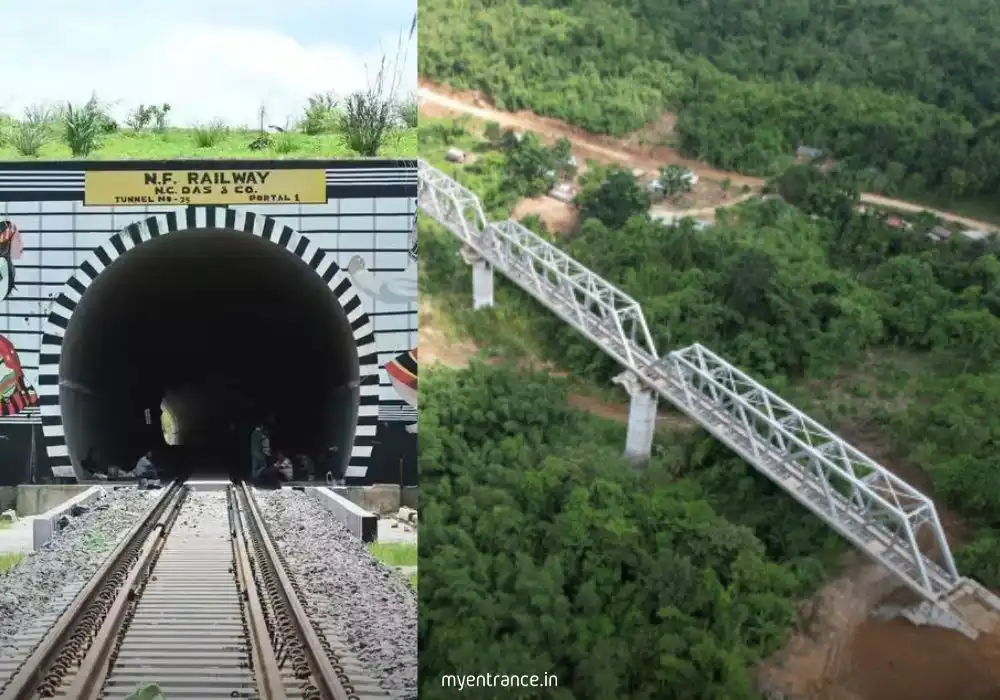
A new chapter has been written in India’s connectivity narrative with the landmark inauguration of the Bairabi-Sairang Railway Line. This monumental project marks a historic moment, as it successfully connects Aizawl, the vibrant capital of Mizoram, to the vast Indian Railways network for the very first time. Overseen by Prime Minister Narendra Modi, this critical infrastructure development underscores the nation’s commitment to integrating its northeastern states more closely with the mainstream, fostering inclusive growth and development across all regions. This new 51-kilometer rail corridor, built at an approximate cost of ₹8,000 crore, is far more than just railway tracks; it represents a strategic artery designed to propel Mizoram into a new era of progress.
Why This Connectivity is a Game-Changer (The ‘Why’ and ‘What’)
The establishment of the Bairabi-Sairang rail link is a pivotal step towards enhancing the “Act East Policy,” emphasizing stronger ties and better infrastructure for India’s eastern frontiers. For years, Mizoram’s geographical isolation posed significant challenges to economic activities, trade, and even the daily lives of its residents. This railway line directly addresses these barriers by providing a reliable, cost-effective, and efficient mode of transport. It is set to dramatically reduce travel times and costs for goods and passengers alike, opening up new avenues for trade, tourism, and industrial development within the state. This project is a testament to the government’s vision of ensuring equitable development, reaching even the most remote corners of the country.
The Journey of Construction: An Engineering Marvel (The ‘How’ and ‘Where’)
Constructing the Bairabi-Sairang Railway Line was no small feat. The terrain of Mizoram, characterized by its challenging hilly landscape, dense forests, and seismic activity, presented formidable engineering hurdles. Engineers and construction workers tackled these obstacles with innovative solutions, building numerous bridges and tunnels that speak volumes about human perseverance and technical ingenuity. This 51-kilometer stretch connects Bairabi, which previously served as the railhead, directly to Sairang, a location strategically close to Aizawl. The project demanded meticulous planning and execution, adhering to stringent safety and environmental standards, thereby demonstrating India’s capability in executing large-scale infrastructure projects in difficult environments. The successful completion is a beacon of modern engineering, transforming geographical constraints into opportunities.
Broader Impact and Future Horizons
Beyond the immediate benefits of improved travel and freight movement, the Bairabi-Sairang line holds immense potential for socio-economic transformation. It is expected to stimulate local economies by facilitating easier access for agricultural produce to wider markets, encouraging investment in small and medium enterprises, and creating employment opportunities. Education and healthcare services will also become more accessible as connectivity improves. Furthermore, this railway link enhances India’s strategic presence in the region, contributing to national security and border area development. It solidifies the foundation for a more integrated, prosperous, and secure North-East, truly making Aizawl an integral part of the national economic and social fabric.
Relevance for Your Government Exams
For aspirants preparing for competitive examinations such as UPSC, SSC, PSC, NID, NIFT, and other government recruitment tests, the Bairabi-Sairang Railway Line is a significant current affairs topic with deep connections to various syllabus areas. Understanding the ‘why,’ ‘what,’ ‘where,’ ‘when,’ and ‘how’ of projects like this is crucial for demonstrating your grasp of national development and policy. This landmark infrastructure project is directly relevant for:
* Current Affairs: A major national development and inauguration event.
* Indian Geography: Insights into the geographical challenges of the North-East and infrastructure development in hilly regions.
* Indian Economy: Impact on regional development, logistics, trade, investment, and the overall economic landscape.
* Polity & Governance: Illustrates the role of the central government, infrastructure policy, and the “Act East Policy.”
* General Knowledge: Key facts like first-time connectivity for a state capital, project cost, length, and its overarching significance.
Mastering such details will equip you to answer questions across multiple subjects, providing a comprehensive understanding of India’s progress.
Aspirants trust this complete static gk resource for aspirants for its thoroughness.
We compile today’s current events for aspirants into a digestible format.
Frequently Asked Questions (FAQs):
Q1: What is the primary significance of the Bairabi-Sairang Railway Line?
A1: The primary significance lies in connecting Aizawl, the capital of Mizoram, to India’s national railway network for the very first time, overcoming geographical isolation and fostering inclusive development for the entire region.
Q2: What was the approximate cost and length of this new railway line?
A2: The Bairabi-Sairang Railway Line spans approximately 51 kilometers and was constructed at an estimated cost of around ₹8,000 crore, reflecting the challenges of building in a difficult hilly terrain.
Q3: How does this railway project contribute to India’s “Act East Policy”?
A3: By significantly improving infrastructure and connectivity in Mizoram, the project directly supports the “Act East Policy” by strengthening economic and strategic ties with the northeastern states and enhancing their integration with the broader national and international frameworks.
Q4: What are the expected economic benefits for Mizoram from this railway line?
A4: The railway line is anticipated to bring substantial economic benefits, including reduced transportation costs, improved market access for local produce, increased tourism, stimulation of local industries, and the creation of new employment opportunities, driving overall regional growth.
Q5: Why is it important for students preparing for government exams to know about this project?
A5: This project is vital for exam preparation as it covers multiple subjects like Current Affairs, Indian Geography, Economy, and General Knowledge. It serves as an excellent case study for infrastructure development, government policies, and their socio-economic impact, relevant for exams like UPSC, SSC, and PSC.





