
The Core Role of Anganwadis and Why It Matters for Your Exams
Understanding the intricate social fabric of India is not just crucial for policy-makers but also a fundamental requirement for anyone aspiring to clear competitive examinations like the UPSC Civil Services, SSC, PSC, NID, NIFT, and various other government job tests. Among the many social welfare initiatives, the Integrated Child Development Services (ICDS) scheme, delivered primarily through Anganwadi Centres, stands out as a critical component in the nation’s strategy for human development. These centres, often found in the heart of our villages and urban slums, play a multi-faceted role in shaping the health and future of millions. For your exams, knowledge about Anganwadis is essential, touching upon current affairs, static general knowledge, governance, social justice, and public administration.
What Are Anganwadis and Their Far-Reaching Impact?
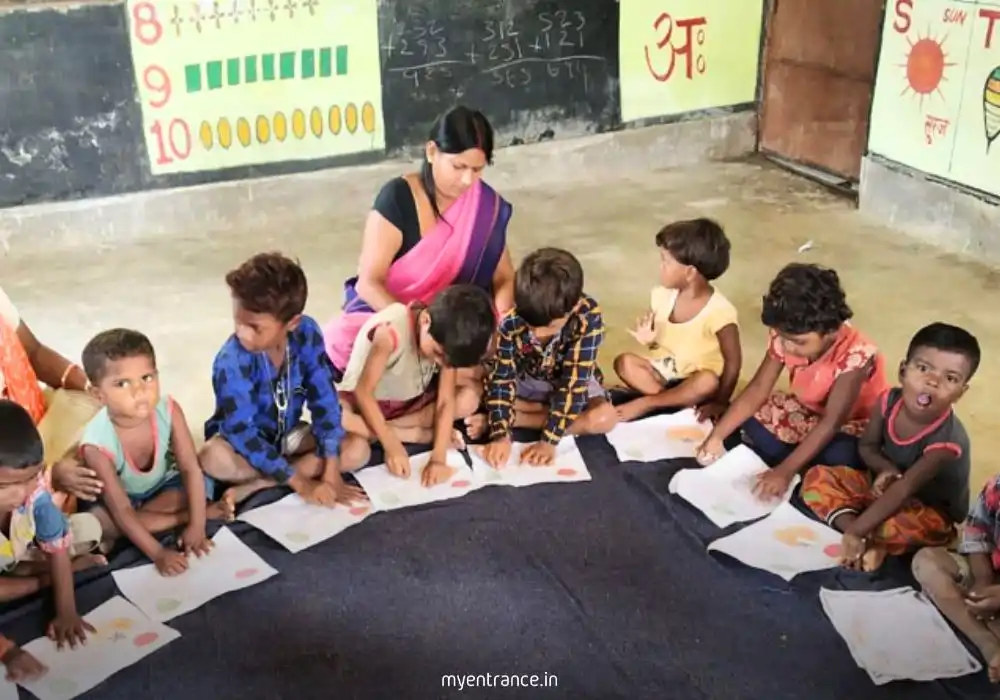
At its core, an Anganwadi, which translates to “courtyard shelter,” is a frontline government programme initiated under the ICDS scheme in 1975. Its primary objective is to combat child hunger and malnutrition, but its mandate extends far beyond simple nutrition. These centres provide a comprehensive package of services including supplementary nutrition, immunisation, health check-ups, referral services, pre-school non-formal education, and health and nutrition education for women aged 15-45 years. Imagine a single point of contact providing essential health services for mothers and children, early childhood education, and even a platform for community engagement in remote and underserved areas – that’s the power of an Anganwadi. They are strategically placed to ensure that the most vulnerable segments of our population, particularly young children and pregnant or lactating mothers, receive vital support during critical developmental stages. Take your daily dose of current affairs to stay informed and prepared.
Unpacking the Governance Challenges and Their Real-World Consequences
Despite their noble objectives and significant potential, Anganwadis frequently grapple with considerable operational and governance challenges. Recent reports and ongoing discussions often highlight instances where the very quality of services, especially the nutritional provisions, falls short of expectations. Concerns over the poor quality of food, inadequate infrastructure, and the welfare of the dedicated Anganwadi workers themselves – often reflected in protests over low wages and difficult working conditions – underscore systemic gaps in the delivery mechanism of the ICDS scheme. These issues are not isolated incidents; they are symptomatic of broader health governance challenges prevalent in India’s rural and slum areas. The persistent disparity in health indicators between urban populations and those residing in villages or informal settlements vividly illustrates these gaps. When the delivery of essential services falters, it directly threatens the fundamental rights to food security, jeopardises child health outcomes leading to issues like malnutrition and stunting, and significantly impedes the overall welfare and empowerment of women in these communities.
Charting a Path Forward: Solutions and Exam Relevance
Addressing these deep-seated challenges requires a multi-pronged approach that candidates for competitive exams should be prepared to discuss. This includes enhancing financial allocations, ensuring stringent monitoring and evaluation mechanisms for service delivery and nutrition quality, investing in better training and fair compensation for Anganwadi workers, and fostering greater community participation to build ownership and accountability. Leveraging technology for better tracking and reporting, coupled with responsive policy reforms, can also significantly strengthen the ICDS framework.
For your upcoming examinations, understanding this topic is not merely about memorising facts. It’s about developing a holistic perspective:
* Current Affairs: Stay informed about recent government policies, reports, and news related to child health, women’s welfare, and social schemes.
* General Studies (UPSC/PSC): This topic fits squarely into Social Justice, Governance, Welfare Schemes for Vulnerable Sections, Health, and Human Resource Development. Be ready to analyse the ‘why’ and ‘how’ of these challenges.
* Static General Knowledge (SSC/PSC): Know the establishment year of ICDS, its objectives, and key statistics related to child malnutrition or maternal mortality.
* Essay Writing: This subject provides excellent fodder for essays on social welfare, rural development, women’s empowerment, or India’s demographic dividend challenges.
* Interview: Demonstrating a nuanced understanding of such critical social programmes and their challenges can set you apart.
By focusing on the objectives – why Anganwadis are important, what their functions are, where they operate, when the scheme was launched, and how challenges can be addressed – you will not only equip yourself with valuable knowledge for your exams but also gain a deeper appreciation for the complex realities of India’s development journey. For consistent scoring in exams, these static gk notes are an invaluable tool.





