
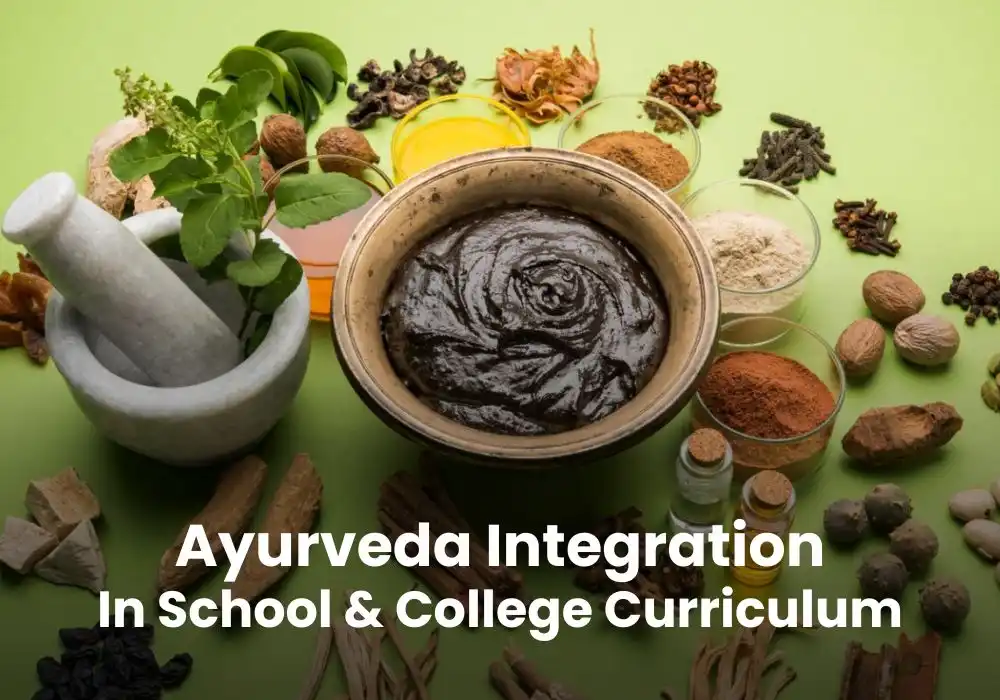
A significant and forward-looking development is underway in India’s educational landscape, poised to reshape how we approach health and well-being from an early age. The National Council of Educational Research and Training (NCERT) and the University Grants Commission (UGC) are collaboratively working to integrate the timeless principles of Ayurveda into the mainstream health education curriculum for both schools and colleges across the nation. This isn’t just an academic exercise; it’s a strategic move to blend India’s rich traditional knowledge with contemporary learning, fostering a healthier and more aware generation. Cover the entire syllabus with our extensive static GK study notes and guide.
Why This Integration Matters: A Holistic Vision
The core ‘why’ behind this initiative stems from a recognition of Ayurveda’s profound benefits as a holistic system of medicine. Unlike conventional approaches that often focus on symptomatic treatment, Ayurveda emphasizes preventive care, lifestyle balance, and the interconnectedness of mind, body, and spirit. By introducing these concepts early, the aim is to inculcate a deeper understanding of personal health, promote conscious living, and empower individuals with knowledge about natural remedies and healthy practices. This move also aligns with national efforts to revive and propagate India’s indigenous knowledge systems, acknowledging Ayurveda as a valuable cultural heritage. It’s about more than just medicine; it’s about a philosophy of living that can contribute significantly to public health and overall societal well-being.
What Does Integration Entail? Crafting the Future Curriculum
So, what exactly does “integrating Ayurveda” mean in practical terms? For schools (under NCERT’s purview), the focus will likely be on introducing basic Ayurvedic principles in an age-appropriate manner. This could include lessons on the importance of diet, daily routines (dinacharya), seasonal routines (ritucharya), simple home remedies for common ailments, the concept of different body types (doshas), and the significance of yoga and meditation for mental and physical health. The goal isn’t to train school children as practitioners, but to provide foundational knowledge that encourages a healthy lifestyle and informs their choices.
At the college level (guided by UGC), the integration will delve deeper. This might involve offering elective courses, incorporating modules into existing health or life science curricula, and encouraging interdisciplinary studies that explore the scientific basis and public health applications of Ayurveda. For students pursuing higher education, this could open avenues for research, critical thinking about health paradigms, and an understanding of traditional medicine’s role in a diverse healthcare system. The ‘how’ involves extensive curriculum development by expert committees, creation of educational materials, and robust training programs for educators to ensure the effective and accurate delivery of this ancient wisdom. Sharpen your GK skills with our curated daily news questions and answers.
Where and When: A Phased National Rollout
This initiative is a national endeavor, impacting educational institutions across all states. While the exact timeline for full implementation will be phased and subject to detailed planning by NCERT and UGC, the groundwork is already being laid. This signifies a long-term commitment to evolving India’s health education. Students enrolling in schools and colleges in the coming academic cycles can expect to gradually encounter these new dimensions in their learning, marking a new chapter in how India educates its youth about health.
Impact on Students and Competitive Exam Preparation
For aspirants preparing for competitive examinations such as UPSC, SSC, PSC, and various government exams, this development carries significant weight.
* Current Affairs: This integration is a prime topic for current affairs sections, reflecting a major policy shift in education and health. Questions related to government initiatives, national education policy, and traditional medicine are highly probable.
* General Knowledge: Understanding the principles of Ayurveda, its history, and its contemporary relevance becomes an important aspect of static general knowledge, particularly in sections focusing on Indian culture, science, and public health.
* Essay and Descriptive Papers: For exams like UPSC, this initiative provides excellent material for essays or descriptive answers on topics related to national heritage, education reform, public health strategies, and the integration of traditional knowledge.
* Interview Preparation: Awareness of such national initiatives demonstrates an informed and well-rounded perspective, which is crucial for interview rounds in civil services and other government sector recruitments.
In essence, this collaborative effort by NCERT and UGC is not merely adding another subject; it’s enriching the fabric of education with a holistic understanding of health, rooted in India’s own heritage. It prepares students not just for academic success, but for a life of informed choices and well-being, simultaneously providing a crucial knowledge base for navigating the complexities of competitive examinations.
Frequently Asked Questions (FAQs)
Q1: What exactly is this new initiative by NCERT and UGC about?
A1: This initiative involves a collaborative effort between NCERT and UGC to integrate the fundamental principles and concepts of Ayurveda into the health education curriculum at both school and college levels across India, aiming to promote holistic well-being and awareness of traditional Indian medicine.
Q2: Why are NCERT and UGC integrating Ayurveda into mainstream education?
A2: The primary reasons include fostering a holistic approach to health, emphasizing preventive care, promoting conscious living, recognizing Ayurveda as a valuable part of India’s cultural heritage, and aligning with national policies to revive indigenous knowledge systems for public health benefits.
Q3: Will students in schools and colleges become Ayurvedic practitioners through this integration?
A3: No, the goal is not to train students as Ayurvedic practitioners. For schools, it’s about building foundational awareness of healthy lifestyles and basic Ayurvedic principles. In colleges, it aims to offer deeper understanding and interdisciplinary study, without conferring professional qualifications in Ayurvedic medicine.
Q4: How does this initiative benefit students preparing for competitive exams like UPSC, SSC, or PSC?
A4: This development is highly relevant for competitive exams as it falls under Current Affairs, General Knowledge, and can provide excellent content for essay or descriptive papers on education policy, public health, and traditional knowledge. It also enhances overall awareness for interview preparation.
Q5: When can we expect to see these changes officially implemented in the curriculum?
A5: This is an ongoing policy initiative, and its full implementation will be a phased process. While the collaborative work has begun, specific timelines for the complete rollout across all educational institutions will depend on curriculum development, teacher training, and further announcements from NCERT and UGC.





