
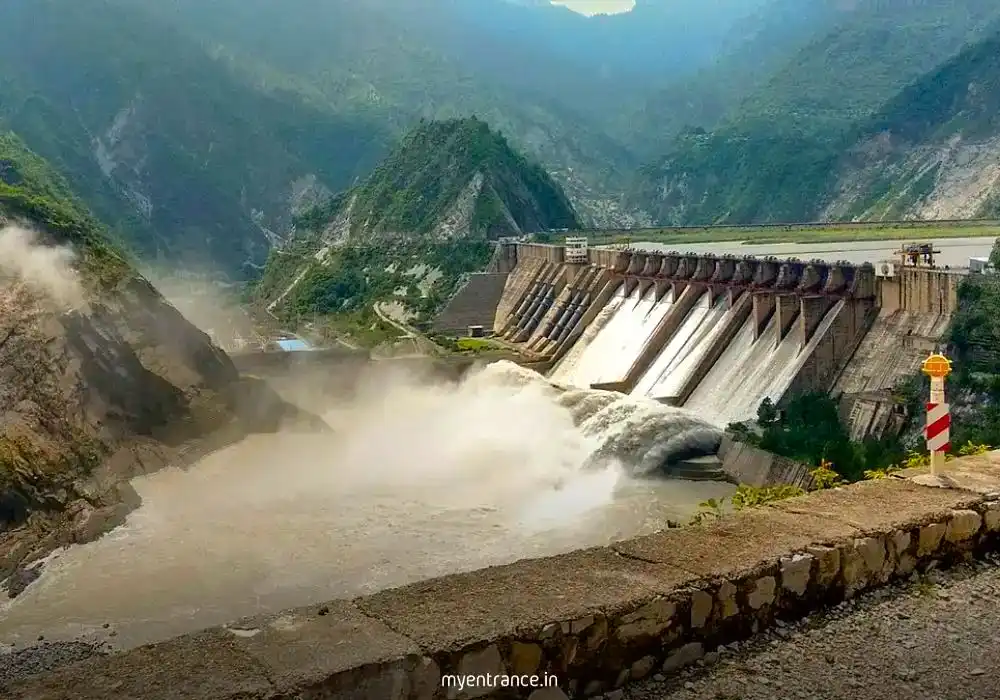
Unveiling India’s Hydropower Potential: The Sawalkote Project
India’s quest for sustainable energy and robust infrastructure often brings attention to monumental projects that promise to reshape regional development and national power grids. Among these, the Sawalkote Hydel Project in the union territory of Jammu & Kashmir stands out as a critical initiative. This ambitious venture is not just another power plant; it represents a significant stride towards strengthening northern India’s energy security and leveraging the immense hydropower potential of the Himalayas. For aspirants preparing for competitive examinations like UPSC, SSC, PSC, and various other government exams, understanding the nuances of such projects is crucial, as they frequently appear in current affairs, general knowledge, and even geography sections. Never miss an important event with our daily current affairs updates for exams.
What is the Sawalkote Hydel Project? Its Purpose and Scale
At its core, the Sawalkote Hydel Project is envisioned as a large-scale hydroelectric power generation facility. Hydroelectricity harnesses the kinetic energy of flowing water to generate electricity, offering a clean and renewable energy source. While specific operational details and final capacity figures are subject to detailed planning and approvals, the project is consistently highlighted as one of the largest proposed hydro developments in northern India. The primary objective is to contribute a substantial amount of clean energy to the national grid, thereby reducing reliance on fossil fuels and meeting the growing power demands of the region. This project embodies India’s commitment to diversifying its energy mix and achieving its climate goals by investing in sustainable power generation.
Where is the Sawalkote Project Located? A Strategic Advantage
Geographically, the Sawalkote Hydel Project is situated in the picturesque, yet challenging, terrain of Jammu & Kashmir. It is specifically planned on the mighty Chenab River, a lifeline flowing through the region and a key tributary of the Indus River system. The location on the Chenab is strategically significant, as the river basin holds vast, largely untapped hydropower potential. This placement not only allows for efficient water resource utilization but also positions the project as a critical component of J&K’s infrastructure development. Its location makes it a vital point of study for geography and current affairs for all government exam aspirants.
Why is Sawalkote So Important? Energy Security and Economic Growth
The importance of the Sawalkote Hydel Project extends far beyond mere electricity generation. Firstly, it plays a pivotal role in bolstering northern India’s energy security. As the region experiences increasing demand for power due to industrial growth, urbanization, and agricultural needs, projects like Sawalkote offer a reliable and consistent supply. Secondly, it is a catalyst for economic development in Jammu & Kashmir. Large infrastructure projects inherently create numerous direct and indirect employment opportunities, ranging from construction to operations and maintenance. This influx of economic activity can significantly boost local economies, improve living standards, and provide impetus for further regional growth. Furthermore, it strengthens India’s overall hydro infrastructure, showcasing the nation’s engineering prowess and its resolve to harness its natural resources responsibly.
How Does Such a Project Progress? The Role of Environmental Clearances
The journey of a mega-project like Sawalkote involves several crucial stages, with environmental clearance being paramount. The mention of the Environmental Appraisal Committee (EAC) recommendation underscores this critical step. The EAC is a statutory body that meticulously evaluates the potential environmental impact of large-scale developmental projects. Its recommendation is a significant milestone, indicating that the project has undergone rigorous assessment regarding its ecological footprint, resettlement plans, and sustainable mitigation strategies. A positive recommendation from the EAC often unlocks the path for further financial approvals, land acquisition, and the commencement of construction activities. This process ensures that development proceeds hand-in-hand with environmental responsibility, a key consideration for sustainable infrastructure.
Impact and What It Means for Your Exams
Once operational, the Sawalkote Hydel Project is expected to have a transformative impact on the region and the nation’s energy landscape. It will significantly augment the clean energy supply, contribute to grid stability, and showcase the successful execution of complex engineering marvels in challenging terrains. For government exam preparation, this project is a hot topic. You should be familiar with its location (Jammu & Kashmir, Chenab River), its type (hydropower), its significance (energy security, regional development), and the key regulatory bodies involved (like EAC). It serves as an excellent case study for topics in Indian Geography, Economy, Current Affairs, and Environmental Studies. Our comprehensive guide offers the best crunch-time preparation methods for aspirants.
Frequently Asked Questions (FAQs)
Q1: What is the primary purpose of the Sawalkote Hydel Project?
A1: The primary purpose of the Sawalkote Hydel Project is to generate a substantial amount of hydroelectric power, contributing to northern India’s energy security and utilizing the vast hydropower potential of the Chenab River in Jammu & Kashmir.
Q2: On which river is the Sawalkote Hydel Project located, and in which region of India?
A2: The Sawalkote Hydel Project is strategically located on the Chenab River in the union territory of Jammu & Kashmir, a region known for its significant water resources.
Q3: Why is the Sawalkote Hydel Project considered important for India’s future?
A3: It is crucial for enhancing India’s energy security by providing a clean, renewable power source, fostering economic development in Jammu & Kashmir through employment generation, and strengthening the nation’s overall hydropower infrastructure.
Q4: What role does the Environmental Appraisal Committee (EAC) play in projects like Sawalkote?
A4: The EAC plays a critical role in evaluating the potential environmental impacts of large projects. Its recommendation is a vital step, indicating that the project has met environmental compliance standards and can proceed with further development and construction.
Q5: How is the Sawalkote Hydel Project relevant for candidates preparing for competitive exams like UPSC and SSC?
A5: For competitive exams, the Sawalkote Hydel Project is relevant for current affairs, Indian geography (rivers, power projects), Indian economy (infrastructure, energy sector), and general knowledge (major projects, sustainable development). Candidates should know its location, purpose, and significance.





