Translate Language
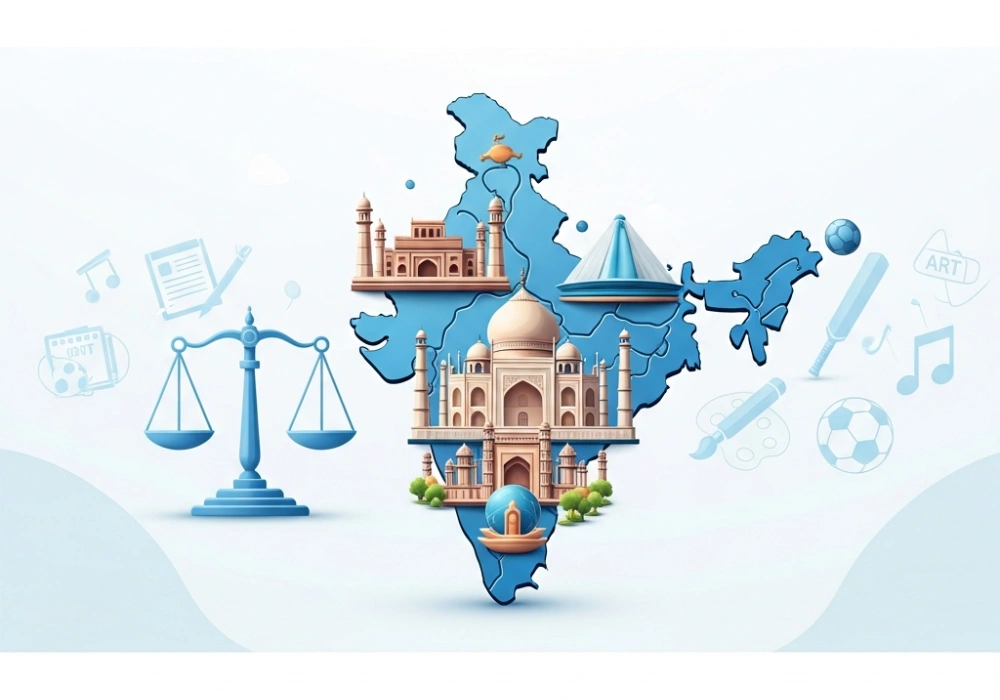
About India: A Complete Guide for Competitive Exams – History, Geography, Politics & More
India, the world’s largest democracy and second-most populous country, is a land of rich heritage, diverse cultures, and rapid development. For aspirants preparing for exams like UPSC, SSC, PSC, NID, NIFT, and KAS, understanding India’s history, governance, economy, and geography is crucial. This guide covers everything you need to know, along with sample questions to test your knowledge.
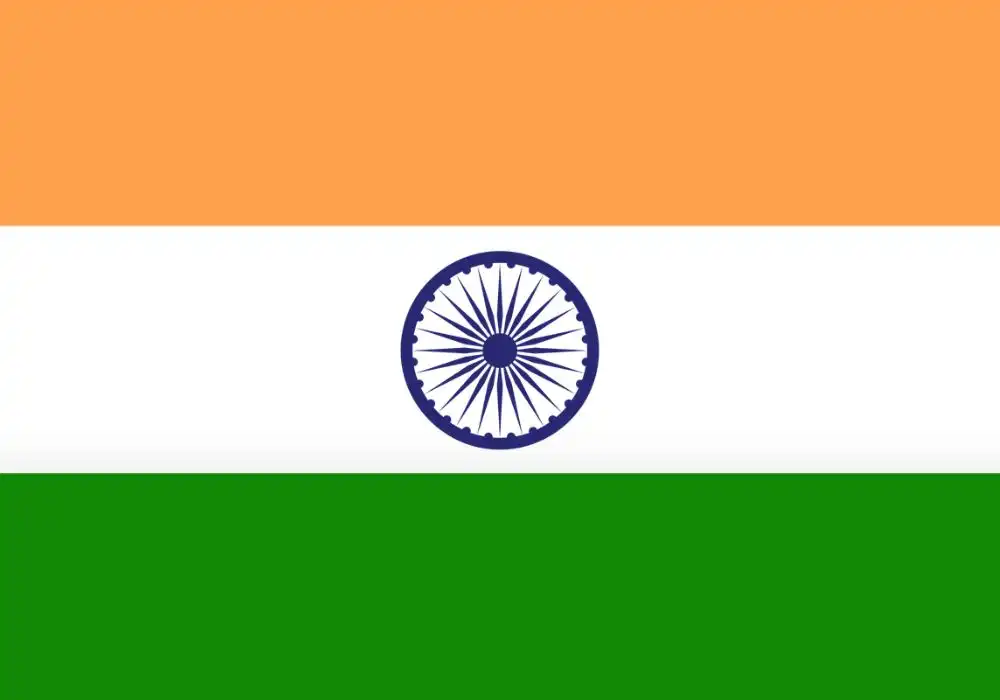
About India: Key Facts for Competitive Exams
1. Geographical Overview
Location: South Asia, bordered by Pakistan, China, Nepal, Bhutan, Bangladesh, and Myanmar.
Coastline: 7,516 km, surrounded by the Arabian Sea, Bay of Bengal, and Indian Ocean.
Major Landforms:
Himalayas in the north
Indo-Gangetic Plains (fertile agricultural region)
Thar Desert in Rajasthan
Western Ghats & Eastern Ghats (biodiversity hotspots)
2. Historical Significance
Ancient India: Home to the Indus Valley Civilization (2600–1900 BCE), one of the world’s oldest urban cultures.
Religious Birthplace: Origin of Hinduism, Buddhism, Jainism, and Sikhism.
Colonial Era: Ruled by the British Empire until 1947 (Independence led by Gandhi, Nehru, Patel).
Post-Independence: Became a democratic republic in 1950 with a secular constitution.
3. Political Structure
Government Type: Federal parliamentary democracy.
President: Ceremonial head (currently Droupadi Murmu).
Prime Minister: Executive head (currently Narendra Modi).
Parliament:
Lok Sabha (Lower House – 543 elected members)
Rajya Sabha (Upper House – 245 members)
Judiciary: Supreme Court (highest judicial authority).
4. Economic Growth & Key Sectors
GDP Rank: 5th largest economy (nominal GDP).
Major Industries:
IT & Software (Bengaluru, Hyderabad, Pune)
Pharmaceuticals (India is the “Pharmacy of the World”)
Automobiles & Textiles
Government Initiatives:
Make in India (boosting manufacturing)
Digital India (promoting digital infrastructure)
5. Culture & Diversity
Languages: 22 officially recognized, including Hindi, Bengali, Tamil, Telugu.
Religions: Hinduism (majority), Islam, Christianity, Sikhism, Buddhism, Jainism.
Festivals: Diwali, Eid, Holi, Christmas, Pongal.
UNESCO Heritage Sites: 40+, including Taj Mahal, Qutub Minar, Ajanta-Ellora Caves.
6. Science & Space Achievements
ISRO Milestones:
Chandrayaan-3 (2023) – First to land near Moon’s south pole.
Mangalyaan (2014) – Successful Mars mission.
Top Institutions: IITs, IIMs, AIIMS, IISc.
Sample Questions for Competitive Exams
Q1: Which is the oldest civilization in India?
✅ Answer: The Indus Valley Civilization (2600–1900 BCE).
Q2: Who was the first Prime Minister of India?
✅ Answer: Jawaharlal Nehru (1947–1964).
Q3: Which constitutional amendment made India a “Socialist and Secular” republic?
✅ Answer: The 42nd Amendment (1976).
Q4: Which Indian state has the longest coastline?
✅ Answer: Gujarat (1,600 km).
Q5: What was India’s rank in the World Bank’s GDP list in 2024?
✅ Answer: 5th largest economy.
Final Thoughts
Mastering India’s history, geography, politics, and economy is essential for UPSC, SSC, PSC, NID, NIFT, and KAS exams. Use this guide for current affairs, mock tests, and daily quizzes on MyEntrance.in to boost your preparation!
🔹 Want more exam-focused content? Explore our daily news quizzes and mock tests today!
Get 3 Months Free Access for SSC, PSC, NIFT & NID
Boost your exam prep!
Use offer code WELCOME28 to get 3 months free subscription. Start preparing today!
Read More Topics