
Mastering the Language of Color for NIFT GAT
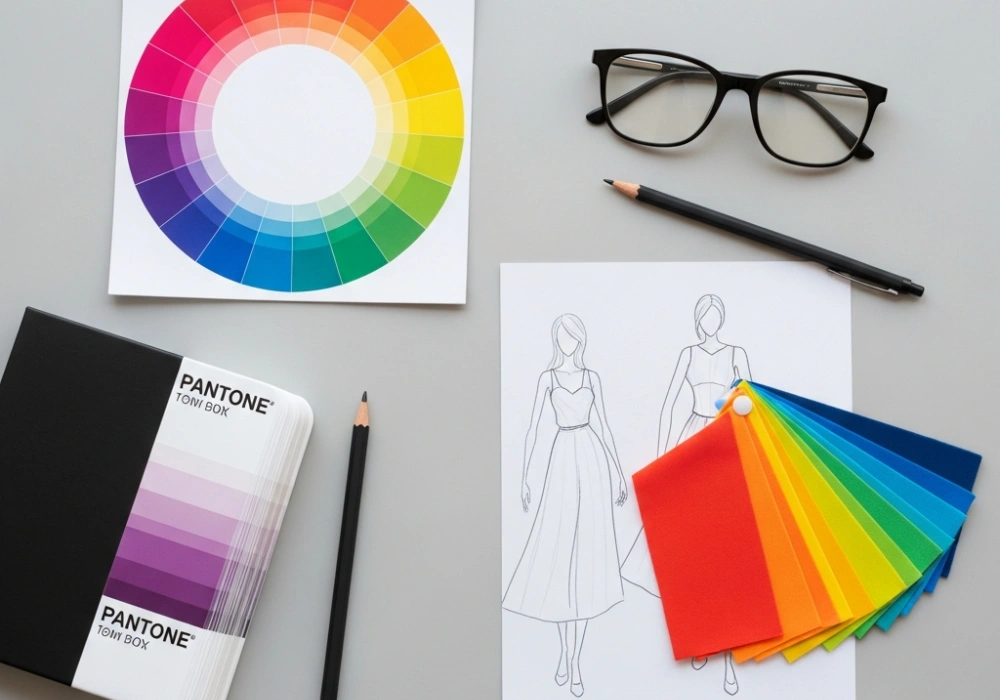
For any design aspirant, especially those eyeing the National Institute of Fashion Technology (NIFT), color is not merely a visual element; it is a profound tool of communication. In the General Ability Test (GAT) for B.Des, understanding color psychology, harmony, and mood expression is critical. This subject bridges the gap between pure aesthetics and human psychology. Color has the power to evoke emotions, dictate consumer behavior, and define the identity of a brand or a garment. Whether it is the calming effect of an analogous blue-green palette or the high-energy vibration of a complementary red-green scheme, every choice a designer makes sends a calculated message. This mock test is meticulously crafted to challenge your theoretical knowledge and your ability to apply these concepts in real-world design scenarios. By mastering these principles, you will not only excel in the GAT but also build a strong foundation for your future Creative Ability Test (CAT) and Situation Test.
💡 Pro-Tip for NIFT Aspirants
When answering questions on color psychology, always consider the cultural context. For instance, while white represents purity in Western cultures, it is associated with mourning in many Eastern traditions. NIFT often tests this nuanced understanding.
Section 1: The Mock Test (20 Challenging Questions)
- Which color harmony utilizes three colors that are equidistant from each other on the color wheel?
- A) Analogous
- B) Triadic
- C) Split-Complementary
- D) Monochromatic
- In color psychology, which color is most frequently associated with ‘Trust, Dependability, and Professionalism’?
- A) Red
- B) Yellow
- C) Blue
- D) Orange
- A designer creates a logo using Red, Red-Orange, and Orange. What type of color scheme is this?
- A) Complementary
- B) Triadic
- C) Analogous
- D) Tetradic
- What term is used to describe a color that has been lightened by adding white?
- A) Shade
- B) Tone
- C) Tint
- D) Saturation
- Which of the following color pairs creates the highest level of visual vibration and contrast?
- A) Blue and Violet
- B) Yellow and Purple
- C) Green and Blue-Green
- D) Red and Red-Violet
- In the context of ‘Mood Expression’, which color is often used to signify ‘Luxury, Mystery, and Sophistication’?
- A) Pink
- B) Brown
- C) Purple
- D) Green
- If you add Grey to a pure hue, what is the resulting color called?
- A) Tint
- B) Shade
- ) Tone
- D) Primary
- Which color harmony involves a base color and the two colors adjacent to its direct complement?
- A) Double-Complementary
- B) Split-Complementary
- C) Triadic
- D) Monochromatic
- Which phenomenon explains why a grey square looks lighter on a black background than on a white background?
- A) Bezold Effect
- B) Simultaneous Contrast
- C) Successive Contrast
- D) Additive Mixing
- What is the psychological impact of the color ‘Yellow’ in a retail environment?
- A) Promotes relaxation and sleep
- B) Stimulates appetite and urgency
- C) Grabs attention and evokes optimism
- D) Signifies earthiness and stability
- Which color system is primarily used in digital screens and monitors?
- A) CMYK
- B) RYB
- C) RGB
- D) PMS
- In fashion design, ‘Cool Colors’ are generally perceived to:
- A) Advance toward the viewer
- B) Recede away from the viewer
- C) Increase the perceived size of the wearer
- D) Evoke feelings of aggression
- Which of these is a ‘Tertiary’ color?
- A) Green
- B) Orange
- C) Blue-Green
- D) Violet
- What mood is most likely expressed by a low-saturated, high-value palette of pale blues and greys?
- A) High energy and excitement
- B) Melancholy and tranquility
- C) Aggression and power
- D) Festivity and joy
- Which famous color theorist developed the ‘Color Star’ and taught at the Bauhaus?
- A) Isaac Newton
- B) Johannes Itten
- C) Albert Munsell
- D) Johann Wolfgang von Goethe
- ‘Value’ in color theory refers to:
- A) The name of the color
- B) The purity or intensity of the color
- C) The lightness or darkness of the color
- D) The temperature of the color
- Which color is traditionally associated with ‘Envy’ in Western symbolism?
- A) Red
- B) Green
- C) Yellow
- D) Black
- A ‘Monochromatic’ color scheme is based on:
- A) Two opposite colors
- B) Three neighboring colors
- C) Variations of a single hue
- D) Four colors forming a rectangle
- Which color is scientifically proven to increase heart rate and create a sense of urgency?
- A) Blue
- B) Green
- C) Red
- D) White
- The term ‘Chroma’ is synonymous with which of the following?
- A) Hue
- B) Saturation
- C) Value
- D) Lightness
Detailed Answer Key & Pedagogical Explanations
Reviewing your answers is the most important step in GAT preparation. Read these explanations carefully to understand the logic behind each concept.
Check Explanations for Questions 1-10
1. Answer: B (Triadic). Triadic harmonies are formed by picking three colors that are evenly spaced around the color wheel, such as Red, Yellow, and Blue. These schemes tend to be quite vibrant, even if you use pale or unsaturated versions of your hues. To use a triadic harmony successfully, the colors should be carefully balanced—let one color dominate and use the two others for accent.
2. Answer: C (Blue). Blue is the color of the sky and the sea, which are constants in our lives. This makes blue a symbol of stability and reliability. In branding, companies like banks and tech firms (Chase, Dell, IBM) use blue to communicate that they are trustworthy and professional. It is the most universally liked color across cultures.
3. Answer: C (Analogous). Analogous color schemes use colors that are next to each other on the color wheel. Red, Red-Orange, and Orange share a common undertone (red/yellow), creating a harmonious and serene feel because they occur naturally together in things like sunsets or autumn leaves.
4. Answer: C (Tint). A tint is a lighter version of a color. Designers create tints by adding white to a pure hue. This reduces the intensity of the color and makes it softer. Tints are often used in feminine designs or for products related to infants and health care.
5. Answer: B (Yellow and Purple). These are complementary colors (opposite each other on the color wheel). When placed side by side, they create ‘Simultaneous Contrast,’ where each color makes the other look brighter. This creates a high-energy visual vibration that is very effective for catching the eye but can be tiring if overused.
6. Answer: C (Purple). Historically, purple dye was very expensive and rare, leading it to be associated with royalty, wealth, and luxury. Psychologically, it sits between the energy of red and the stability of blue, giving it a sense of mystery, spirituality, and sophistication.
7. Answer: C (Tone). A tone is produced by adding grey to a hue, or by both tinting and shading. Tones are generally more pleasing to the eye than pure hues; they are complex, subtle, and sophisticated. Most colors we see in interior design and high-end fashion are actually tones.
8. Answer: B (Split-Complementary). This scheme uses a base color and the two colors adjacent to its complement. It provides high contrast like a complementary scheme but has less tension. It is often a safer choice for beginners because it is difficult to mess up.
9. Answer: B (Simultaneous Contrast). This is a theory developed by Michel Eugène Chevreul. It states that our perception of a color is influenced by the colors surrounding it. A neutral grey will appear to take on a ‘tint’ of the complement of the background color, making it look brighter against dark backgrounds and darker against light ones.
10. Answer: C (Grabs attention and evokes optimism). Yellow is the most visible color from a distance and is processed first by the human eye. It evokes feelings of happiness and warmth. However, it can also cause eye fatigue or even anxiety if used in very high saturation for long periods.
Check Explanations for Questions 11-20
11. Answer: C (RGB). RGB (Red, Green, Blue) is an additive color system. It starts with darkness (black) and adds light to create color. This is the standard for anything that emits light, like mobile screens, TVs, and monitors. CMYK, on the other hand, is subtractive and used for printing.
12. Answer: B (Recede away from the viewer). Cool colors like blue, green, and violet have shorter wavelengths. In a composition or on a body, they appear to move back or recede. This is why painters use blue for distant mountains and why dark blue clothing can make a person appear slimmer.
13. Answer: C (Blue-Green). Tertiary colors are created by mixing a primary color with a secondary color. They are always named with the primary color first (e.g., Blue-Green, Red-Orange). Green, Orange, and Violet are secondary colors.
14. Answer: B (Melancholy and tranquility). Low saturation (muted colors) combined with high value (light colors) lacks the ‘heat’ of vibrant colors. Pale blues and greys evoke a sense of quietness, fog, or early morning, which can translate to peace or a slightly sad, melancholic mood depending on the context.
15. Answer: B (Johannes Itten). Itten was a Swiss expressionist painter and designer associated with the Bauhaus. He was one of the first to define and identify strategies for successful color combinations. His ‘Color Star’ and theories on the seven types of color contrast are fundamental to design education today.
16. Answer: C (The lightness or darkness of the color). Value is perhaps the most important element of design. It defines form and creates spatial illusions. Even without hue (color), a design can be successful through value alone (like a black and white photograph).
17. Answer: B (Green). While green usually signifies nature and growth, it is also culturally linked to ‘Envy’ (the ‘green-eyed monster’). In design, you must be careful with the specific shade of green; yellow-greens can sometimes look sickly or toxic.
18. Answer: C (Variations of a single hue). Monochromatic schemes use different tints, shades, and tones of one single color. This creates a very clean, organized, and elegant look. It is highly effective in branding to create a strong, singular identity.
19. Answer: C (Red). Red is a physically stimulating color. It has the longest wavelength and is proven to increase heart rate and blood pressure. This is why it is used for ‘Sale’ signs, ‘Stop’ signs, and fast-food logos—to encourage quick action and stimulate hunger.
20. Answer: B (Saturation). Chroma refers to the perceived strength or purity of a surface color. In technical terms, it is the degree of saturation. A color with high chroma is vivid and pure, while low chroma colors are closer to grey.
Final Thoughts for Success
The GAT section of NIFT requires you to think like a psychologist as much as an artist. When you see a question about color, ask yourself: Who is the target audience? What is the cultural background? Is the color being used for safety, for luxury, or for speed? Mastering the vocabulary of color—tints, tones, shades, and harmonies—will allow you to articulate your design choices during the Situation Test and Interview rounds as well. Keep practicing these mock tests to sharpen your analytical skills.
Need more help?
If you are struggling with specific concepts like the Munsell system or the difference between additive and subtractive color, our experts are here to guide you. We provide free resources, previous year papers, and personalized feedback for NIFT aspirants.
💬 Chat with our Experts on WhatsApp (+91 9526806124)




