
How do you succeed in the NID Studio Test model making round?
To succeed in the NID Studio Test model making round, you must focus on three core pillars: innovative material manipulation, structural integrity, and conceptual clarity. The latest pattern emphasizes design thinking over just aesthetic skill. You achieve high marks by solving a specific problem through your model, demonstrating a clear understanding of the material’s properties while maintaining a clean finish.
Practice with diverse materials like wire, clay, and corrugated sheets is essential. Students who utilize resources like the myentrance.in mock tests often find themselves better prepared for the time-constrained environment of the actual exam.
Table of Contents
What are the best materials for NID Studio Test models?
Choosing the right material is the first step toward a winning model. In the latest pattern, the exam center provides a kit that usually includes limited items. You must learn to maximize the utility of every scrap.
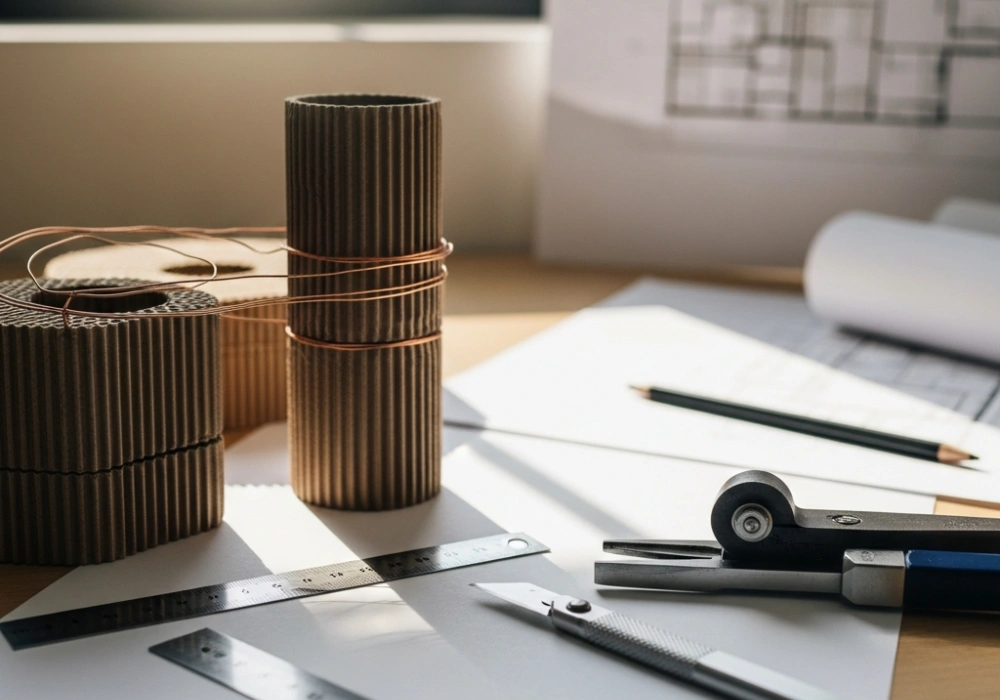
- Corrugated Cardboard: Ideal for creating sturdy structures and geometric forms. Use the inner ridges for texture.
- Wire (GI or Copper): Best for creating skeletons of organic forms or showing movement and flow.
- Modeling Clay: Perfect for ergonomic handles, organic shapes, and fine detailing that other materials cannot achieve.
- M-Seal or Adhesive Putty: Excellent for joining disparate materials like wood and plastic securely.
💡 Pro-Tip: Material Hybridization
Combining materials like wire and tissue paper with glue can create skin-like textures. This shows advanced material exploration to the jury.
Which creative ideas can set your model apart?
Innovation is key to standing out among thousands of applicants. Instead of making literal representations, try to incorporate metaphors into your designs. If asked to design a trophy for a gardener, don’t just make a flower; design a tool that represents growth and nourishment.
Consider these creative directions for the upcoming exams:
- Kinetic Models: Incorporate moving parts like hinges or levers to show functionality.
- Abstracting Nature: Use geometric shapes to represent biological forms like bird wings or seashells.
- Space Optimization: If the prompt involves furniture or shelters, focus on how the model folds or expands.
Practicing these concepts through the latest pattern mock tests on myentrance.in helps in refining your speed and conceptual depth.
How to maintain cleanliness and structural integrity?
A messy model with visible glue marks or shaky joints will lose marks quickly. Your technical execution must be precise. Always use a sharp cutter and a steel ruler for straight lines.
Focus on these technical aspects:
- Joinery techniques: Avoid excessive use of tape. Use slots, notches, and interlocking tabs for a professional look.
- Stability: Ensure your model has a balanced center of gravity so it stands independently.
- Surface Finish: Sand down rough edges if wood is provided, and ensure clay surfaces are smooth.
Comparison of Common Model Making Materials
Understanding the strengths and weaknesses of each material allows you to choose the best one for the given problem during the NID Studio Test.
| Material | Best For | Manipulation Level |
|---|---|---|
| Mount Board | Architectural models, clean edges | Intermediate |
| GI Wire | Linear forms, skeletons, curves | High |
| Clay | Ergonomics, fluid shapes | Low to High |
| Drinking Straws | Truss systems, lightweight frames | Easy |
Frequently Asked Questions
How long should I spend on model making during the test?
Usually, you should allocate 45 to 60 minutes for the model construction itself, leaving 10-15 minutes for the write-up and clean-up. Time management is a key skill taught in myentrance.in mock tests.
Can I use my own materials in the NID Studio Test?
No. You are strictly allowed to use only the materials provided in the kit by the examiners. Bringing outside material can lead to disqualification.
Is the write-up as important as the model?
Yes. The write-up explains your design process, the problem you solved, and your material choices. It provides context to the jury about your design thinking.
Quick Knowledge Check
Test your model-making readiness with these quick questions:
1. Which material is best for creating a flexible, skeletal structure?
💡 Click to Reveal Answer
Wire (specifically GI wire) is the best choice due to its flexibility and strength.
2. What is the most important factor in a professional-looking model?
💡 Click to Reveal Answer
Clean joinery and the absence of visible adhesive marks.
3. True or False: Complex models are always better than simple ones.
💡 Click to Reveal Answer
False. Conceptual clarity and solving the problem effectively are more important than unnecessary complexity.
Need Personalized Guidance for your Studio Test?
Our experts at myentrance.in are ready to help you crack the design entrance exam with the latest mock tests and portfolio reviews.
💬 Chat with our Experts on WhatsApp (+91 9526806124)




