
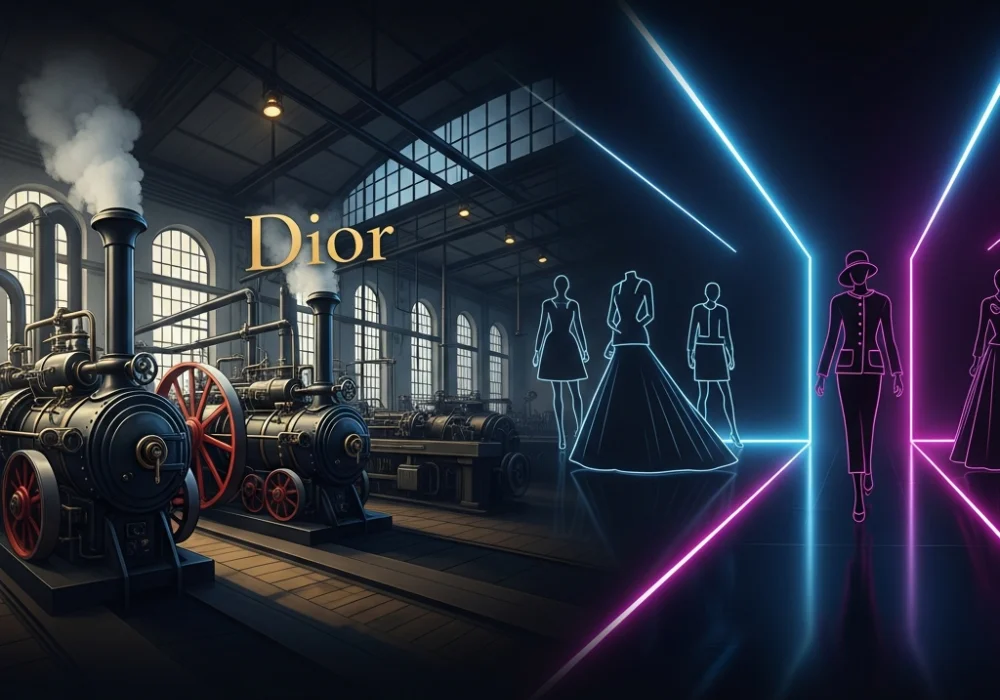
The Dawn of Modern Fashion: An NIFT Study Guide
The Industrial Revolution was the single most transformative era for the global fashion landscape. Before the mid-19th century, clothing was primarily handmade, bespoke, and localized. However, the invention of the sewing machine by Elias Howe and its perfection by Isaac Singer, coupled with the mass production of textiles in northern England, shifted the paradigm. This era birthed the concept of ‘branding’ as we know it today. For NIFT aspirants, understanding this transition is crucial because it explains how fashion moved from a necessity to an aspirational luxury and eventually a global commodity. The period following the 1850s saw the rise of the first true ‘couturiers’—individuals who didn’t just sew clothes but designed them as art and status symbols. This shift led to the establishment of the Chambre Syndicale de la Couture Parisienne, setting the stage for institutionalized fashion education and industry standards. As you prepare for your GAT and CAT papers, pay close attention to the specific years and innovations mentioned in this timeline. The ability to link a designer’s name to their specific contribution to textile technology or silhouette evolution is a frequent requirement in the General Ability Test. We will explore how travel, war, and technology influenced the founding of the world’s most prestigious fashion houses, from the leather workshops of Florence to the runways of Paris.
1858
Charles Frederick Worth: The Father of Haute Couture
Worth opened ‘House of Worth’ in Paris, becoming the first designer to sew his name into garments. He transformed the dressmaker into an artist, creating the foundation of the luxury fashion industry that NIFT students study today.
1854
Louis Vuitton: Revolutionizing Travel
Founded as a trunk-making business, Vuitton introduced flat-topped trunks that could be stacked. This was a direct response to the expansion of rail and steamship travel during the industrial age, marking the birth of luxury accessories.
1856
Burberry: The Invention of Gabardine
Thomas Burberry invented Gabardine, a breathable, waterproof fabric. This innovation revolutionized outerwear and led to the iconic Trench Coat, originally designed for military use during the transitions of the late Victorian era.
1889
Lanvin: The Oldest Parisian Fashion House
Jeanne Lanvin began by making clothes for her daughter. Her brand became synonymous with the ‘Robes de Style’ and the use of ‘Lanvin Blue,’ showcasing how lifestyle and personal branding began to influence commercial fashion.
1910
Coco Chanel: Modernism and Jersey
Chanel opened her first boutique, Chanel Modes. By using jersey—a fabric previously used for men’s underwear—she liberated women from the corset, embodying the post-industrial shift toward comfort and functional elegance.
1921
Gucci: Italian Craftsmanship Meets Luxury
Guccio Gucci founded his workshop in Florence, focusing on high-end leather goods inspired by the equestrian lifestyle. This marked the global expansion of Italian leather craftsmanship into the luxury brand sphere.
1947
Christian Dior: The New Look
Post-WWII, Dior launched the ‘Corolle’ line, famously dubbed ‘The New Look.’ Its cinched waists and voluminous skirts used massive amounts of fabric, signaling the return of prosperity and the peak of feminine couture.
1966
Yves Saint Laurent: Rive Gauche
YSL was the first couturier to open a ready-to-wear (Prêt-à-porter) boutique under his own name. This democratized luxury, making designer clothing accessible to a wider demographic beyond the elite.
1975
Zara: The Birth of Fast Fashion
The opening of the first Zara store in Spain introduced the ‘Just-in-Time’ production model. This was the ultimate evolution of the industrial process, allowing brands to respond to trends in weeks rather than months.
1987
LVMH: The Era of Conglomerates
The merger of Moët Hennessy and Louis Vuitton created the world’s largest luxury group. This consolidated fashion into a corporate powerhouse, focusing on multi-brand strategy and global market dominance.
Key Takeaways for NIFT Aspirants
Understanding these milestones is not just about memorizing dates; it’s about understanding the ‘why.’ The Industrial Revolution provided the tools—the sewing machine, the department store, and the chemical dyes—but the designers provided the ‘brand identity.’ When you sit for the NIFT CAT (Creative Ability Test), think about how these brands utilized their logos and signature fabrics. For the GAT (General Ability Test), ensure you can distinguish between Haute Couture and Prêt-à-porter. Remember that Haute Couture is high-end fashion produced by hand from start to finish, while Prêt-à-porter is the factory-made, standard-sized clothing that modern brands focus on today. Looking forward, the fashion industry is now entering a ‘Digital Revolution’ where sustainability and Artificial Intelligence are the new steam engines. To excel in your entrance exam, stay updated on how legacy brands like Gucci and LV are adapting to the metaverse and eco-friendly manufacturing. We recommend students to maintain a sketchbook dedicated to these historical eras, drawing the key silhouettes of Dior’s New Look or Chanel’s 1920s suits. This visual memory will help you immensely during the Situational Test and Interview stages. Good luck with your preparation!
Need Expert Guidance for NIFT 2024-25?
Get access to free mock tests, expert counseling, and comprehensive study materials tailored for www.myentrance.in students.
💬 Chat with our Experts on WhatsApp (+91 9526806124)




