
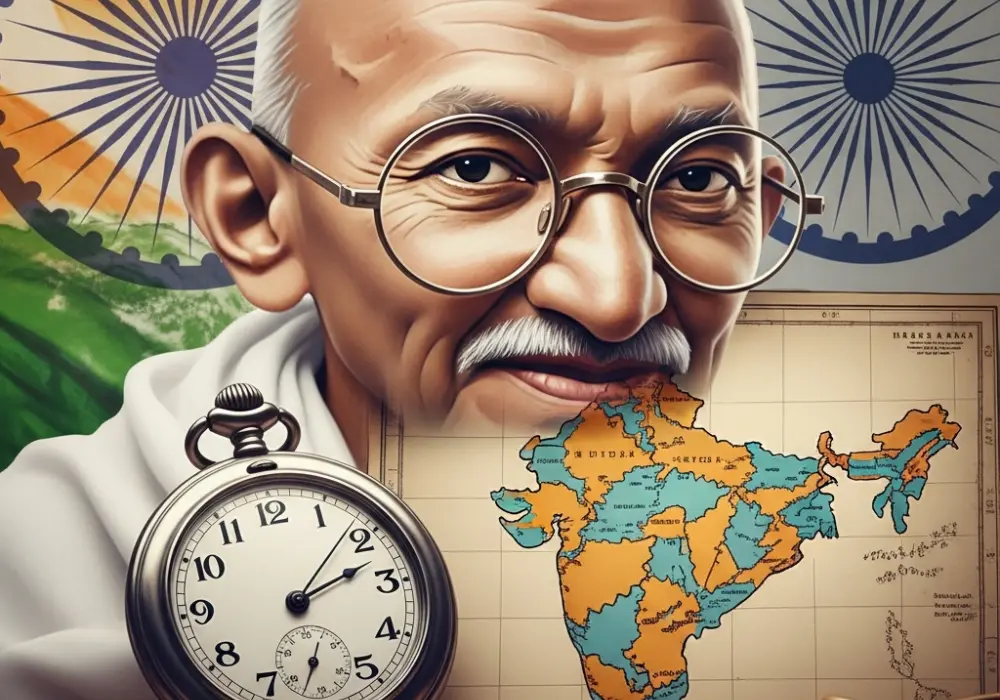
Interactive Flashcard Challenge: Indian Freedom Struggle
The Ultimate Revision Tool for SSC CGL, CHSL, and MTS Aspirants
The Indian Freedom Struggle is one of the most critical topics in the General Awareness section of various SSC examinations. From the early resistance of 1857 to the final dawn of independence in 1947, the timeline is filled with movements, resolutions, and legendary figures. For any serious candidate, mastering this chronology is essential, as history questions often account for a significant portion of the score. However, memorizing hundreds of dates and names can be daunting. This is where active recall comes into play.
Active recall is a learning principle that involves testing yourself during the study process. Instead of simply reading through notes, you force your brain to retrieve information. This strengthening of neural connections ensures better retention during the actual exam. To help you achieve this, we have curated a special ‘Interactive Flashcard Challenge’ specifically designed for SSC aspirants. These cards cover frequently asked questions regarding the Indian National Movement, including the Gandhian Era, the Revolutionary phase, and key sessions of the Indian National Congress.
While these flashcards cover the highlights, a comprehensive study plan is necessary for high scores in the SSC General Awareness section. History is not just about facts; it is about the cause-and-effect relationship between events. For example, the failure of the Simon Commission and the rejection of the Nehru Report led directly to the demand for Purna Swaraj. Understanding these links makes it easier to remember the sequence of events. Aspirants should also focus on the socio-religious reform movements of the 19th century, as figures like Raja Ram Mohan Roy and Ishwar Chandra Vidyasagar laid the groundwork for modern nationalism.
We recommend creating a chronological wall chart in your study space. Group events into specific periods: the Moderate Phase (1885-1905), the Extremist Phase (1905-1919), and the Gandhian Phase (1919-1947). Additionally, pay close attention to the various Acts passed by the British, such as the Morley-Minto Reforms (1909) and the Government of India Act 1935, as these are frequently tested in the polity and history overlap sections. Consistent revision through tools like these interactive cards, combined with solving previous year questions, will undoubtedly give you a competitive edge.





