
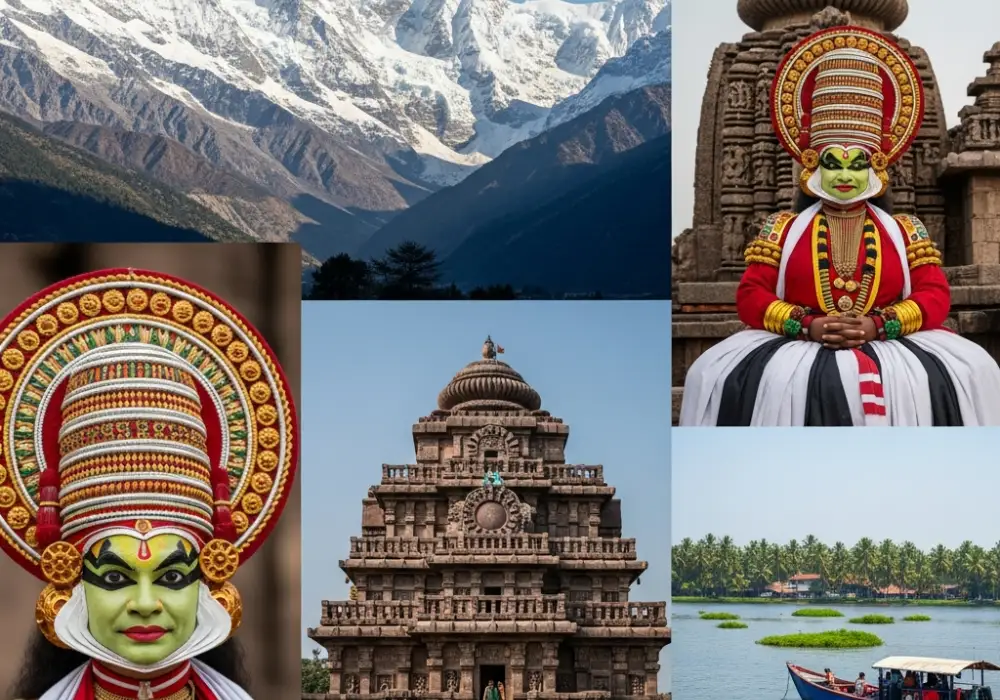
Introduction to Static GK for Competitive Success
For aspirants preparing for prestigious entrance exams like NID DAT, NIFT GAT, Kerala PSC, and SSC, Static General Knowledge (GK) serves as the backbone of the General Awareness section. Unlike current affairs, Static GK involves facts that do not change over time. Mastering Indian Heritage and Geography is not just about memorizing data; it is about understanding the soul of the nation. At myentrance.in, we provide specialized mock tests designed to help you tackle these subjects with precision and confidence.
The Rich Tapestry of Indian Heritage
India is a land where history breathes through its monuments and traditions. Heritage GK is particularly crucial for design exams like NID and NIFT, where visual awareness and cultural context are tested. It is also a staple in the latest pattern of SSC and PSC exams.
UNESCO World Heritage Sites in India
India currently boasts numerous UNESCO World Heritage Sites, categorized into cultural, natural, and mixed sites. These sites represent the peak of human creative genius and the ecological diversity of our subcontinent. Significant sites include the Ajanta and Ellora Caves, the Sun Temple at Konark, and the architectural brilliance of the Chola Temples. Knowing the states where these are located is essential for any upcoming exams.
Classical Dances and Art Forms
Culture is a major pillar of Static GK. India recognizes several classical dances, each originating from a different region. Understanding these is vital for competitive exams:
- Bharatnatyam: Tamil Nadu
- Kathak: Uttar Pradesh (North India)
- Kathakali: Kerala
- Kuchipudi: Andhra Pradesh
- Odissi: Odisha
- Sattriya: Assam
- Manipuri: Manipur
- Mohiniyattam: Kerala
Beyond dances, traditional painting styles like Madhubani (Bihar), Pattachitra (Odisha), and Warli (Maharashtra) frequently appear in design-based entrance tests. Practicing with our mock tests at myentrance.in can help you identify the specific types of questions asked regarding these art forms.
Comprehensive Indian Geography
Geography forms a significant portion of the current syllabus for SSC and Kerala PSC. It covers the physical features, river systems, and climate of the country.
Physical Divisions of India
India can be divided into several distinct physical regions:
- The Himalayan Mountains: The youngest fold mountains in the world, acting as a northern shield.
- The Northern Plains: Formed by the alluvial deposits of the Indus, Ganga, and Brahmaputra rivers.
- The Peninsular Plateau: The oldest landmass of India, rich in mineral resources.
- The Indian Desert: The Thar desert, located to the west of the Aravalli hills.
- The Coastal Plains: Divided into the Western and Eastern Ghats.
- The Islands: Lakshadweep in the Arabian Sea and Andaman and Nicobar in the Bay of Bengal.
Major River Systems
Rivers are the lifelines of India. They are broadly categorized into Himalayan and Peninsular rivers. Himalayan rivers like the Ganga and Brahmaputra are perennial, while Peninsular rivers like the Godavari and Krishna are seasonal and rain-fed.
Key Data Comparison: National Parks and Wildlife Sanctuaries
To help you memorize key facts, here is a comparison of some of the most significant National Parks in India, which are frequently asked about in competitive exams.
| National Park | State | Famous For |
|---|---|---|
| Jim Corbett | Uttarakhand | Bengal Tigers (Oldest NP) |
| Kaziranga | Assam | One-horned Rhinoceros |
| Gir | Gujarat | Asiatic Lions |
| Kanha | Madhya Pradesh | Barasingha (Swamp Deer) |
| Periyar | Kerala | Elephants and Tigers |
| Sundarbans | West Bengal | Mangrove Forests and Royal Bengal Tigers |
Climate, Soil, and Vegetation
The variety in Indian geography leads to a diverse range of soil types and climates. For SSC and PSC exams, understanding the soil distribution is critical:
- Alluvial Soil: Found in the northern plains; most fertile and covers the largest area.
- Black Soil: Also known as Regur soil; ideal for cotton cultivation, mostly found in the Deccan Trap.
- Red and Yellow Soil: Developed on crystalline igneous rocks; found in areas of low rainfall.
- Laterite Soil: Result of intense leaching due to heavy rain; suitable for tea and coffee plantations.
Why Practice Static GK on myentrance.in?
Preparation for competitive exams is incomplete without rigorous testing. While reading these facts is the first step, applying them in a timed environment is what leads to success. At myentrance.in, we offer a wide range of mock tests tailored to the latest pattern of upcoming exams. Our platform provides detailed analytics, helping you identify your strengths in Indian Geography and weaknesses in Heritage facts.
Conclusion
Mastering Static GK requires consistent revision and a structured approach. By focusing on Indian Heritage and Geography, you secure a significant portion of your score in exams like NIFT, NID, SSC, and Kerala PSC. Stay curious, use visual aids like maps, and ensure you are testing your knowledge regularly with the resources available on myentrance.in.
Frequently Asked Questions (FAQ)
What is the difference between a National Park and a Wildlife Sanctuary?
National Parks have a higher level of protection where human activities like grazing and forestry are strictly prohibited. Wildlife Sanctuaries may allow certain activities under regulated conditions for the benefit of the local community.
Which is the oldest UNESCO World Heritage site in India?
The Ajanta Caves, Ellora Caves, Agra Fort, and Taj Mahal were the first sites in India to be inducted into the UNESCO list back in 1983.
What are the ‘Seven Sister’ states of India?
The Seven Sister states refer to the contiguous states of Northeast India: Arunachal Pradesh, Assam, Meghalaya, Manipur, Mizoram, Nagaland, and Tripura.
Which river is known as the ‘Dakshin Ganga’?
The Godavari river is often referred to as ‘Dakshin Ganga’ due to its large size and extent among the peninsular rivers.
Why is Static GK important for design exams like NID and NIFT?
Static GK in design exams focuses on cultural literacy, history of arts, and traditional crafts, which helps evaluate a candidate’s awareness of the visual and cultural heritage they will be working with as designers.





