
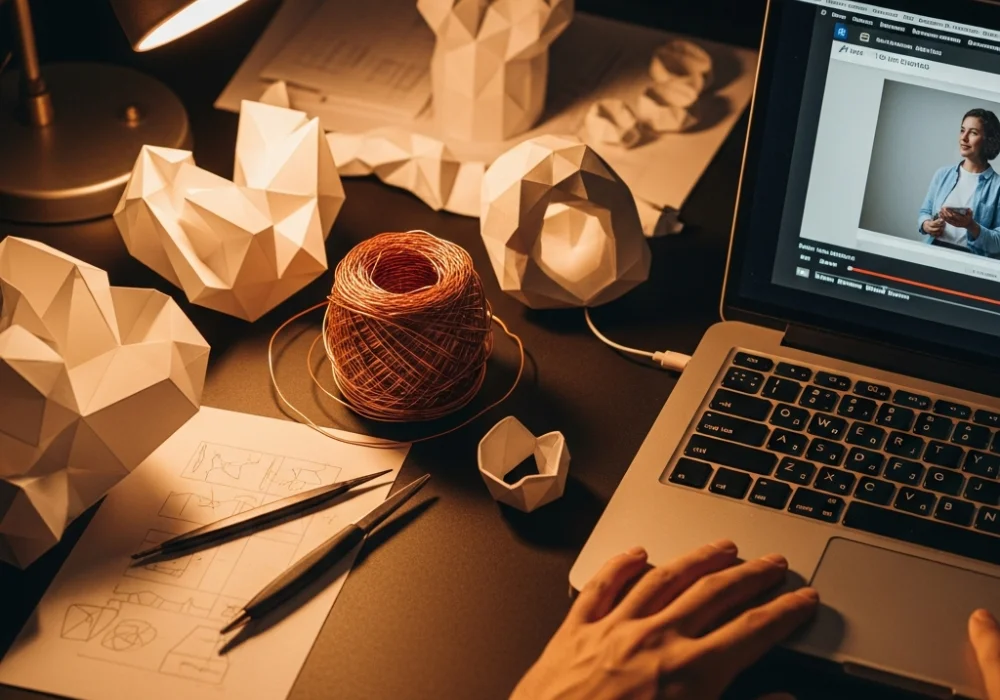
The Crucial Role of Material Exploration in NID DAT Preparation
The National Institute of Design (NID) is synonymous with innovation, and its Design Aptitude Test (DAT) is specifically designed to identify candidates who possess a unique blend of creativity, analytical thinking, and hands-on dexterity. While the DAT Prelims focus heavily on cognitive skills and sketching, the Studio Test (DAT Mains) is where the real challenge begins. Material exploration is the heart of the Studio Test, requiring students to transform abstract concepts into tangible 3D models using limited resources. In this comprehensive guide, we explore how video-supplemented learning and consistent practice through platforms like myentrance.in can significantly enhance your preparation for the latest pattern of the exam.
Understanding the Studio Test: Beyond the Sketchbook
Many aspirants make the mistake of focusing solely on their drawing skills. However, NID seeks individuals who can think in three dimensions. Material exploration involves understanding the physical properties of various mediums—their strength, flexibility, texture, and aesthetic appeal. Whether you are working with wire, paper, clay, or found objects, the goal is to communicate a message or solve a problem through form. This is why incorporating video supplements into your study routine is vital; seeing a material being manipulated in real-time provides insights into structural integrity that a static image simply cannot convey.
Essential Materials and Their Creative Applications
To excel in the upcoming exams, students must familiarize themselves with a wide array of materials. Each medium requires a different set of tools and techniques. Below is a breakdown of commonly used materials in the NID Studio Test and how to approach them effectively.
| Material Category | Core Characteristics | Common Design Applications | Skill Level Required |
|---|---|---|---|
| Paper & Cardboard | Versatile, easy to score, lightweight but structural. | Prototyping, geometric forms, architectural models. | Beginner to Advanced |
| Malleable Wire | Linear, flexible, retains shape well. | Skeletal structures, human figures, representing movement. | Intermediate |
| Modeling Clay | Plastic, heavy, excellent for organic shapes. | Ergonomic grips, animal forms, texture studies. | Beginner |
| Found Objects | Unconventional, requires lateral thinking. | Abstract sculptures, metaphoric representations. | Advanced |
Leveraging Video Supplements for 3D Mastery
One of the most effective ways to master material manipulation is through video-supplemented blogs and tutorials. Watching a professional designer demonstrate the ‘Score and Fold’ technique on ivory board or showing how to create a stable tripod structure using only newsprint and adhesive provides a visual roadmap. These videos act as a bridge between theoretical knowledge and practical application. By observing the hand movements, the pressure applied, and the sequence of construction, you can avoid common pitfalls like structural collapse or messy finishes. At myentrance.in, we emphasize the importance of these visual aids alongside our rigorous mock tests to ensure a holistic learning experience.
Step-by-Step Techniques for Material Manipulation
Success in the NID DAT material exploration segment relies on mastering a few fundamental techniques. Mastering these will give you the confidence to tackle any prompt during the current syllabus evaluations.
- Scoring and Folding: Essential for paper and sunboard. By lightly cutting the surface without going all the way through, you create clean, sharp edges that are crucial for professional-looking models.
- Joinery without Glue: Often, the exam restricts the use of adhesives. Learning how to create slots, tabs, and interlocking mechanisms is a high-level skill that impresses evaluators.
- Structural Reinforcement: Understanding how to turn a 2D sheet into a 3D load-bearing structure using techniques like corrugation or triangulation.
- Surface Texturing: Using tools to create tactile patterns on clay or paper to represent different materials like wood grain, metal, or fabric.
Why Practice with myentrance.in Mock Tests?
Consistent practice is the only way to build the speed and precision required for the NID DAT. Our platform, myentrance.in, offers a curated selection of mock tests that mirror the latest pattern of the NID entrance exams. These tests provide you with time-bound challenges that simulate the high-pressure environment of the actual Studio Test. By regularly engaging with our mock tests, you can track your progress, identify your weaknesses in specific material categories, and refine your time management skills. Combining these tests with video-supplemented material exploration ensures that you are prepared for both the cognitive and physical demands of the exam.
Expert Tips for the NID Studio Test Day
Preparation is not just about skill; it is about strategy. On the day of the exam, keep these tips in mind:
- Read the Prompt Carefully: Many students start building immediately. Take five minutes to brainstorm and sketch a quick thumbnail of your 3D idea.
- Manage Your Time: Allocate specific time slots for planning, construction, and finishing touches. A half-finished brilliant idea is worth less than a completed, clean model.
- Cleanliness Matters: Use your tools precisely. Avoid excess glue marks or ragged edges. The ‘finish’ of your model speaks volumes about your attention to detail.
- Narrative Building: Be prepared to write a short paragraph explaining the concept behind your model. Material choice should always align with your design narrative.
Frequently Asked Questions (FAQ)
What is material exploration in NID DAT?
Material exploration is a component of the NID Studio Test where candidates are given various materials to create 3D models or sculptures based on a specific theme or problem statement.
Are digital tools allowed in the Studio Test?
No, the Studio Test is a hands-on physical exam focusing on manual dexterity and creative use of physical materials provided at the center.
How can I improve my 3D visualization skills?
Practice converting 2D sketches into 3D forms using simple materials like paper. Watching video supplements and taking mock tests on platforms like myentrance.in can also help sharpen these skills.
Does myentrance.in provide materials for practice?
myentrance.in provides the guidance, mock test prompts, and video supplements you need to practice. You can then use commonly available household materials to complete the exercises.





