
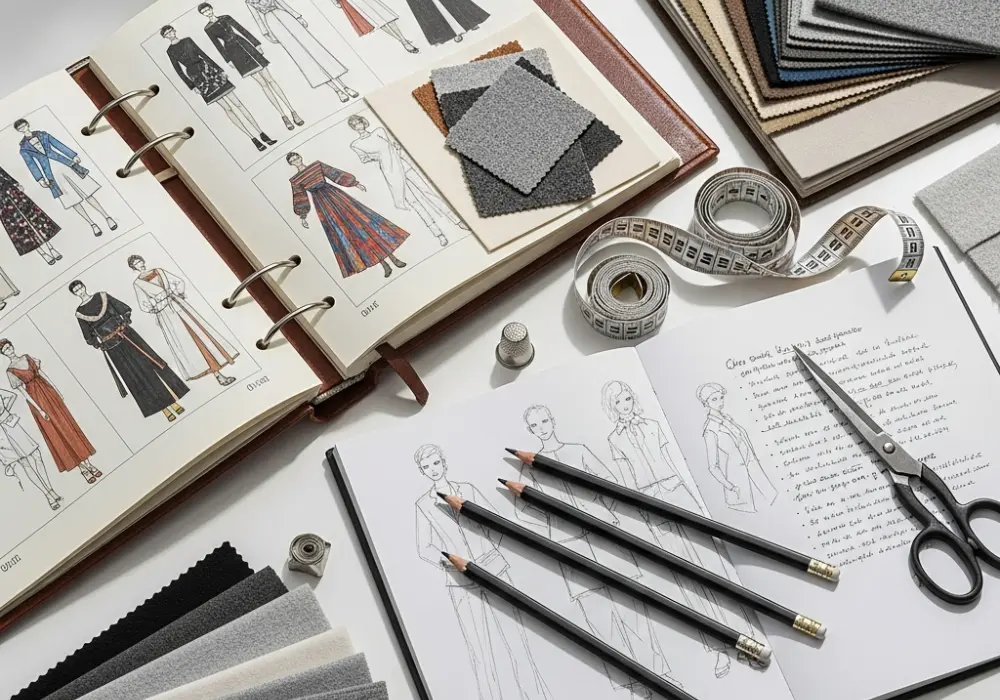
Mastering the NIFT Portfolio for the Latest Pattern
Securing a seat at the National Institute of Fashion Technology (NIFT) is the ultimate dream for thousands of design aspirants across the country. While the written entrance exams test your quantitative and creative aptitude, the Situation Test and Interview rounds are where your true creative personality shines. Your portfolio is not just a collection of drawings; it is a visual narrative of who you are as a designer. However, many talented students fail to make the cut because of easily avoidable errors. In this guide, we break down the top 10 portfolio mistakes to avoid for your upcoming NIFT interview. To prepare effectively for the initial entrance rounds, don’t forget to explore the specialized mock tests available on myentrance.in, which are designed to align with the current syllabus.
The Top 10 Portfolio Mistakes to Steer Clear Of
1. Prioritizing Quantity Over Quality
One of the most frequent errors students make is stuffing their portfolio with every sketch they have ever created. A portfolio should be a curated selection of your best work. Including mediocre pieces just to increase the volume of the folder can dilute the impact of your truly exceptional work. Focus on 10 to 15 high-quality pieces that demonstrate your versatility and skill.
2. Lack of Originality and Plagiarism
NIFT faculty members have seen thousands of portfolios. They can instantly spot a drawing that has been copied from a popular Pinterest image or a textbook. Plagiarism is the quickest way to get disqualified. Your work must reflect your unique perspective, cultural background, or personal experiences. Even if your technique isn’t perfect, originality will always score higher than a polished copy.
3. Ignoring the ‘Process’ and Final Product Only
Jurors are more interested in how you think than just what you made. A common mistake is showing only the final, finished garment or illustration. Include your rough sketches, mind maps, mood boards, and even failed attempts. This shows the evolution of your idea and your ability to solve design problems logically.
4. Poor Organization and Flow
A portfolio should tell a story. If your work is disorganized, switching randomly between pencil shading, photography, and clay modeling, the interviewer will find it hard to follow your creative journey. Group your work into logical sections or themes to create a cohesive narrative.
5. Over-Reliance on Digital Tools
While digital art is a valuable skill, NIFT focuses heavily on manual dexterity and foundational art skills. Relying solely on AI-generated art or basic Photoshop filters can be a red flag. Ensure you include hand-drawn sketches, paintings, or 3D models to demonstrate your tactile understanding of materials and form.
6. Neglecting Technical Skills
Creativity is essential, but so is the technical ability to execute it. Mistakes like poor anatomy in fashion illustrations, incorrect perspective in architectural sketches, or messy color blending show a lack of discipline. Ensure your basics—like light, shadow, and proportion—are accurate according to the latest pattern requirements.
7. Including Outdated or Irrelevant Work
Your portfolio should represent your current skill level. Including drawings from middle school, unless they are exceptionally relevant, can make you look immature as a designer. Similarly, keep the work relevant to the design field; while a certificate in sports is great, it shouldn’t take up space meant for your creative projects.
8. Poor Presentation and Aesthetics
First impressions matter. A portfolio with torn edges, dirty fingerprints, or illegible handwriting looks unprofessional. Invest time in a clean layout. Whether it is a physical folder or a digital presentation, ensure the margins are consistent and the background does not distract from the artwork itself.
9. Inability to Explain Your Concept
You must be ready to speak about every piece in your portfolio. A common mistake is being unable to explain why you chose a specific color palette or what inspired a particular design. Practice articulating your design philosophy. This is where mock interviews and peer reviews can be incredibly helpful.
10. Lack of Diversity in Media
If your entire portfolio consists only of pencil sketches, it may suggest a lack of experimentation. NIFT looks for students who can work with different mediums. Try to include a mix of charcoal, watercolors, fabric manipulation, photography, or even 3D prototypes to show your range.
Portfolio Checklist: Do’s vs. Don’ts
| Feature | The Mistake (Don’t) | The Better Approach (Do) |
|---|---|---|
| Selection | Include everything you’ve ever drawn. | Select 12-15 pieces of your best work. |
| Concept | Copying popular designs from the internet. | Showcase original ideas and personal stories. |
| Development | Showing only the final masterpiece. | Include mood boards and initial sketches. |
| Technicality | Ignoring basic anatomy and perspective. | Demonstrate strong foundational art skills. |
| Versatility | Sticking to only one medium (e.g., pencil). | Experiment with colors, fabrics, and 3D. |
How myentrance.in Can Help You Succeed
While the portfolio is critical for the interview, you must first clear the GAT and CAT rounds. Consistent practice is the only way to master the latest pattern of these exams. At myentrance.in, we offer a comprehensive suite of mock tests for NIFT and NID DAT that simulate the actual exam environment. These tests help you manage time effectively and identify your strengths and weaknesses in areas like quantitative ability, English comprehension, and creative visualization.
Frequently Asked Questions (FAQ)
Should I include a digital portfolio for the NIFT interview?
While physical portfolios are traditional, many interview panels now accept or even prefer digital versions on a tablet or laptop. However, always carry a physical copy as a backup in case of technical issues.
How many pages should my NIFT portfolio be?
Quality is more important than quantity. Aim for 10 to 15 well-curated projects. A project can span multiple pages if it includes the process and final outcome.
Do I need to include garment construction in my portfolio?
It is not mandatory to show stitched garments. However, if you have experience with draping or sewing, including photos of your work can definitely give you an edge in demonstrating your understanding of 3D forms.
Can I include photography in my design portfolio?
Yes, photography is a great way to show your eye for composition, lighting, and storytelling. Ensure the photos are artistic and relevant to your design sense.
How important is the cover of the portfolio?
The cover is the first thing the jury sees. It should be clean, professional, and reflect your personal brand or style without being overly cluttered.





