
Introduction to Creative Thinking for NIFT Candidates
Entering the prestigious National Institute of Fashion Technology (NIFT) requires more than just basic drawing skills; it demands a high level of creative intelligence and spatial awareness. The NIFT Situation Test is a unique evaluation phase where your ability to translate abstract ideas into three-dimensional models is put to the test. This stage, combined with a strong design portfolio, determines your future in the competitive world of fashion and lifestyle design. To excel, one must go beyond traditional learning and engage in rigorous creative thinking exercises that sharpen the mind and steady the hands.
For those preparing for the upcoming exams, practicing with the right resources is crucial. Utilizing mock tests from myentrance.in can provide a significant advantage, as these tests are designed to mimic the latest pattern and difficulty level of the actual examination. In this guide, we will explore the core exercises and strategies needed to master the Situation Test and build a portfolio that stands out to recruiters and selection committees.
Understanding the NIFT Situation Test
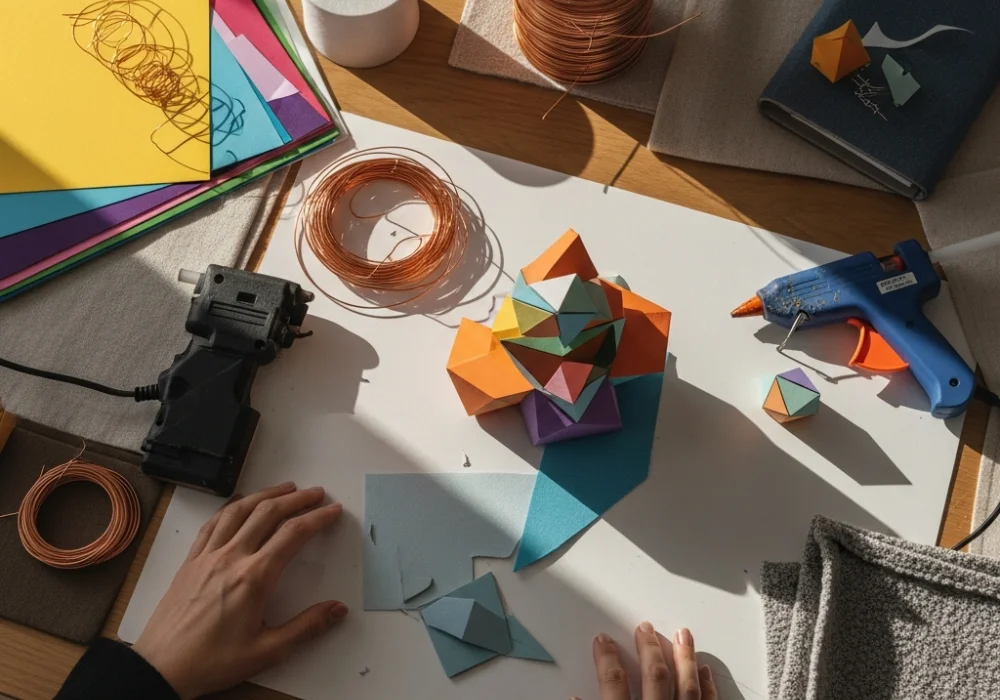
The Situation Test is a hands-on examination where candidates are provided with a specific set of materials—such as cardboard, wire, thread, buttons, and cloth—to create a 3D model based on a given theme. The evaluation is not just on the final product but on the innovative use of materials, the neatness of construction, and the concept behind the model. A critical component of this test is the write-up, where you must explain your creative process and the symbolic meaning of your design.
The Role of Creative Thinking Exercises
Creative thinking is a muscle that needs regular training. For a designer, these exercises help in breaking cognitive bias—the tendency to see an object only for its intended use. By practicing lateral thinking, you learn to see a plastic cup not just as a vessel for water, but as a potential structural pillar, a lighting fixture, or a textured surface for a futuristic building model.
Top Creative Thinking Exercises for Design Aspirants
- The SCAMPER Method: This is a powerful technique to spark innovation. It stands for Substitute, Combine, Adapt, Modify, Put to another use, Eliminate, and Reverse. Apply this to any household object. For example, how can you substitute the material of a chair to make it sustainable? Or combine a clock with a mirror?
- 30 Circles Challenge: Draw 30 circles on a sheet of paper. In two minutes, turn as many circles as possible into unique objects (e.g., a pizza, a globe, a gear, a human face). This improves ideation speed.
- Material Limitation Drill: Pick three random items from your house (e.g., a rubber band, a straw, and a piece of foil). Create a model that represents a concept like ‘Chaos’ or ‘Harmony’ using only these items. This mimics the constraints of the NIFT Situation Test.
- Negative Space Drawing: Instead of drawing an object, draw the space around it. This changes your perspective on form and volume, which is vital for 3D modeling.
Comparative Analysis of Test Requirements
Understanding the difference between various evaluation stages helps in targeted preparation. The following table compares the key focus areas for the Situation Test versus the Portfolio requirements for the latest pattern of design admissions.
| Feature | NIFT Situation Test | Design Portfolio |
|---|---|---|
| Primary Objective | Real-time material manipulation | Showcase of long-term creative growth |
| Time Constraint | Strictly limited (usually 2-3 hours) | Developed over months |
| Medium | 3D Physical Models | 2D Sketches, Photos, and Digital Art |
| Key Skill | Spontaneous Problem Solving | Consistency and Conceptual Depth |
| Assessment Focus | Technical handling and innovation | Aesthetic sense and versatility |
Developing a Winning Portfolio
While the Situation Test measures your immediate creativity, your portfolio is a curated collection of your best work. A successful portfolio for the current syllabus should include a variety of mediums—charcoal sketches, digital illustrations, photography, and even records of your 3D models from the Situation Test practice. Highlighting your process is often more important than the final result. Include rough sketches and mood boards to show how your ideas evolved.
Integrating MyEntrance Mock Tests into Your Routine
Self-study is effective, but simulated environments are better. The mock tests available on myentrance.in offer students a chance to practice under timed conditions. These tests cover the GAT and CAT components, ensuring that your foundation is strong enough to reach the Situation Test stage. Regular practice with these mocks helps in identifying weak areas in logical reasoning and creative visualization, allowing for a more focused preparation strategy for upcoming exams.
Essential Tips for the Situation Test Day
To succeed on the day of the exam, keep these strategies in mind: Plan first, execute later. Spend at least 15 minutes sketching your idea before touching the materials. Ensure your model is stable; a beautiful design that collapses will not score well. Finally, write a crisp and professional explanation of your model, focusing on the ‘Why’ behind your ‘How’.
Frequently Asked Questions
What materials are provided in the NIFT Situation Test?
Commonly provided materials include mount board, copper wire, aluminum foil, kite paper, colored sheets, clay, thread, and scrap items. The specific kit varies every year to challenge the candidates’ adaptability.
How important is the write-up in the Situation Test?
The write-up is extremely important. It carries weightage in the final score as it explains your conceptualization, the inspiration behind the design, and how you have utilized the provided materials to convey a message.
Should I include 3D models in my design portfolio?
Yes, including high-quality photographs of your 3D models is highly recommended. It demonstrates your spatial understanding and your ability to work with physical materials, which is a core requirement for fashion and product design.
How can myentrance.in help me with NIFT preparation?
myentrance.in provides comprehensive mock tests for NIFT, NIFT GAT, and other design entrance exams. These tests help you get accustomed to the latest pattern, improve your speed, and build the confidence needed to clear the initial rounds and reach the Situation Test.
Is the Situation Test mandatory for all NIFT courses?
The Situation Test is specifically mandatory for the Bachelor of Design (B.Des) program. For other programs like B.F.Tech or Master’s degrees, the evaluation stages may include Group Discussions, Interviews, or different technical tests.





