
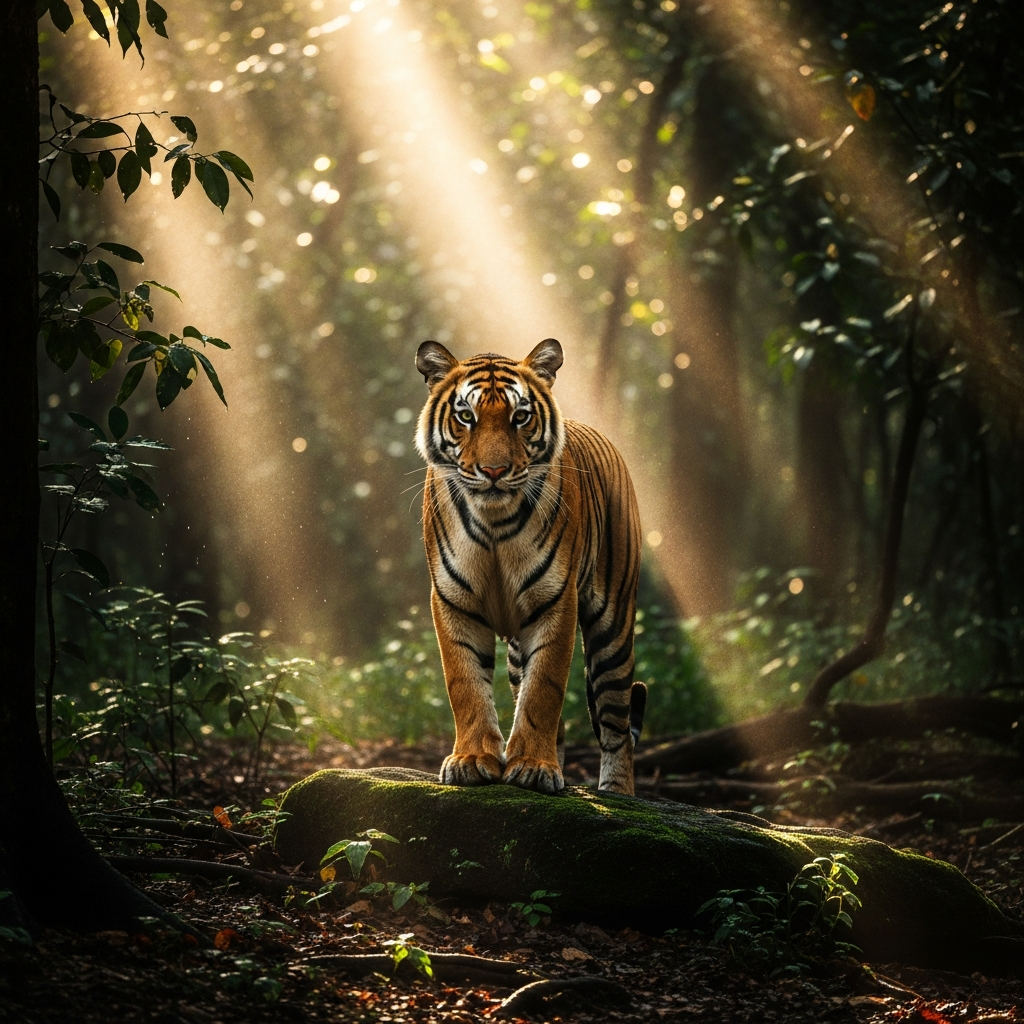
Introduction to Wildlife Conservation in India
For aspirants of competitive exams like SSC, Kerala PSC, NID DAT, and NIFT GAT, the topic of Indian National Parks and Wildlife Sanctuaries is a cornerstone of the Static General Knowledge section. India’s rich biodiversity is protected through a network of conservation areas that not only safeguard endangered species but also serve as frequent subjects for geography and environment-based questions in the latest pattern exams. Understanding the distribution, characteristics, and significance of these zones is essential for scoring high marks.
Defining National Parks and Wildlife Sanctuaries
While often used interchangeably, there are distinct legal and administrative differences between the two. A National Park is an area strictly reserved for the betterment of wildlife and biodiversity, where activities like forestry, grazing, or cultivation are not permitted. In contrast, a Wildlife Sanctuary is a protected area aimed at conserving particular species, where limited human activities may be allowed as long as they do not interfere with the well-being of the animals. For students using myentrance.in mock tests, recognizing these nuances helps in answering conceptual GK questions accurately.
Key National Parks in India: A State-wise Overview
India currently hosts over a hundred national parks. To simplify your preparation for upcoming exams, we have categorized some of the most significant parks based on their location and unique biodiversity features.
| National Park Name | State | Famous For |
|---|---|---|
| Jim Corbett National Park | Uttarakhand | Bengal Tigers (India’s First National Park) |
| Kaziranga National Park | Assam | One-horned Rhinoceros |
| Gir National Park | Gujarat | Asiatic Lions |
| Kanha National Park | Madhya Pradesh | Barasingha and Tigers |
| Periyar National Park | Kerala | Elephants and Scenic Lake |
| Hemis National Park | Ladakh | Snow Leopards (Largest in India) |
| Keibul Lamjao National Park | Manipur | Sangai (World’s only floating park) |
Regional Breakdown for Competitive Exams
- Northern India: Focus on Dachigam (Jammu and Kashmir) for the Hangul and Valley of Flowers (Uttarakhand) for its unique flora.
- Western India: Ranthambore and Sariska in Rajasthan are hotspots for tiger conservation and are frequently mentioned in SSC papers.
- Southern India: Bandipur (Karnataka) and Silent Valley (Kerala) are crucial for biodiversity studies in Kerala PSC exams.
- Eastern and North-Eastern India: Apart from Kaziranga, Manas (Assam) and Nokrek (Meghalaya) are vital UNESCO World Heritage Sites.
Strategic Importance for SSC and NIFT Aspirants
Static GK accounts for a significant portion of the General Awareness section. For NIFT GAT and NID DAT aspirants, environmental awareness and geographical knowledge are often tested through visual or fact-based questions. Similarly, SSC CGL and CHSL candidates must be well-versed in the latest data regarding biosphere reserves and sanctuaries. Utilizing the specialized study material and mock tests on myentrance.in can help you identify high-yield topics and refine your retention skills.
The Role of Wildlife Sanctuaries
India has over 500 wildlife sanctuaries. While it is impossible to memorize all, focusing on those that have been in the news recently or those that house critically endangered species is a smart strategy. For instance, the Kutch Desert Wildlife Sanctuary in Gujarat or the Vedanthangal Bird Sanctuary in Tamil Nadu are perennial favorites in competitive exam syllabi.
How to Memorize National Parks Efficiently
1. Map Mapping: Use a physical map of India to mark parks state-wise. Visual memory lasts longer than rote learning.
2. State Grouping: Memorize parks in clusters. For example, Madhya Pradesh has the highest number of national parks; learn them all at once to avoid confusion.
3. Mock Practice: Regularly attempt Static GK quizzes. The practice sets available at myentrance.in are designed to mimic the current syllabus and difficulty level.
4. Association: Associate the park with a specific animal (e.g., Gir with Lions, Kaziranga with Rhinos).
Frequently Asked Questions (FAQs)
Which is the largest national park in India?
Hemis National Park, located in Ladakh, is the largest national park in India, known for its population of snow leopards.
What is the difference between a National Park and a Biosphere Reserve?
A National Park focuses on a specific habitat or species protection, while a Biosphere Reserve is a much larger area intended to protect the entire ecosystem and often includes one or more national parks or sanctuaries within it.
Which state has the maximum number of National Parks?
Madhya Pradesh holds the record for the highest number of national parks in India, making it a crucial area for Static GK preparation.
Is human activity allowed in National Parks?
No, human activities like grazing, harvesting, or private ownership of land are strictly prohibited within the boundaries of a National Park to ensure undisturbed wildlife conservation.
Where can I find mock tests for Static GK and National Parks?
You can find comprehensive mock tests and study material tailored for the latest pattern of SSC, NIFT, and Kerala PSC exams on myentrance.in.





