
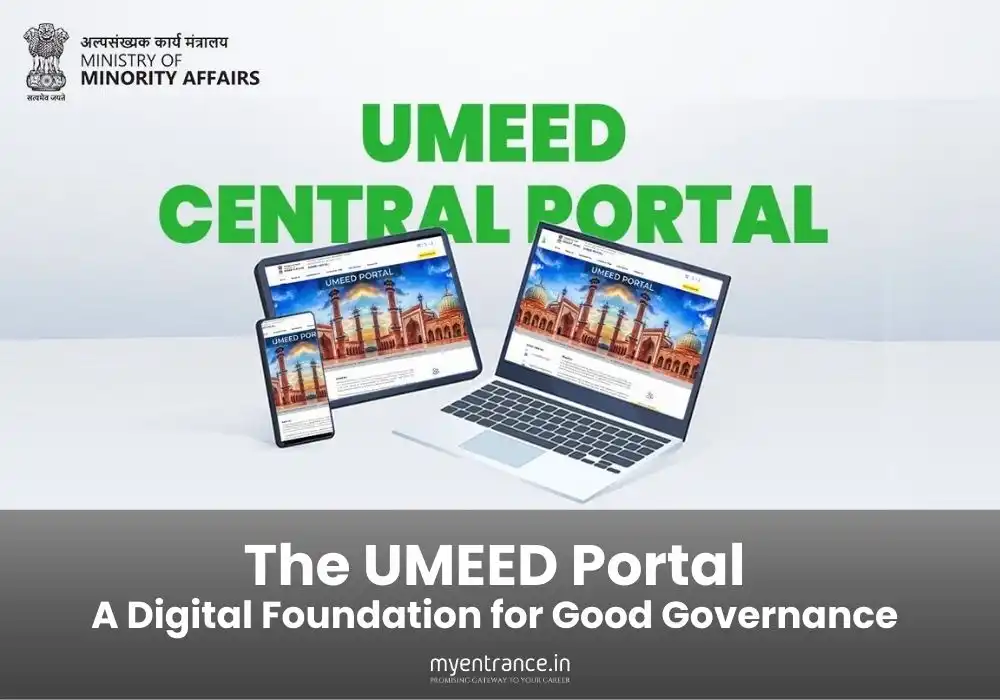
The management of Waqf properties, vital assets for minority communities across India, has long faced challenges related to transparency, accountability, and efficiency. Recognizing this critical need, the Government of India, under the aegis of the Ministry of Minority Affairs, has taken a significant step forward by launching two transformative modules on the UMEED Portal: the Survey Module and the Waqf Property Lease Module. This digital intervention is set to usher in a new era of governance, ensuring these invaluable assets are managed with utmost integrity and for the benefit of their rightful beneficiaries.
Understanding Waqf Properties: A Cornerstone of Community Welfare
To fully appreciate the significance of these new modules, it is essential to understand what Waqf properties are and their role in society. A Waqf, derived from Arabic, signifies an endowment made by an individual for charitable or religious purposes under Islamic law, often involving land or buildings. These properties are typically managed by a Waqf Board and their income is intended to support various community services such as education, healthcare, poverty alleviation, and religious institutions. Historically, the management of these vast and diverse properties, often spread across remote locations, has been complex, leading to issues of encroachment, mismanagement, and opaque leasing practices. The sheer volume and nature of these endowments necessitated a modern, robust, and transparent system for their effective administration.
The UMEED Portal: A Digital Foundation for Good Governance
The UMEED Portal (standing for Universal Management & Evaluation of Endowed Developments, though the official full form is not publicly stated, its functional intent aligns with this interpretation) is a comprehensive digital platform designed to bring various aspects of Waqf property management online. Its overarching objective is to centralize information, streamline processes, and enhance accountability. The portal acts as a crucial interface, connecting Waqf Boards, beneficiaries, and the government, fostering an environment where information is readily available and decisions are made transparently. The integration of new modules on this existing portal amplifies its capabilities, transforming it into a holistic solution for a long-standing governance challenge.
The Survey Module: Illuminating the Hidden Landscape of Waqf Assets
Why was it needed? The primary challenge in Waqf property management has been the lack of accurate, up-to-date, and digitized records of these properties. Traditional survey methods were often slow, prone to errors, and difficult to update, leading to boundary disputes, encroachments, and an incomplete understanding of the total Waqf land bank. This absence of reliable data hindered effective planning and protection of these assets.
What does it offer? The Survey Module provides a comprehensive digital framework specifically designed for capturing, managing, and continuously updating information related to the survey of Waqf properties. It moves beyond conventional paper-based records, creating a dynamic database.
How does it work? This module enables Waqf Boards to conduct surveys using modern digital tools, collecting detailed geographical information, property dimensions, ownership details, and current usage status. It allows for the integration of GPS coordinates, satellite imagery, and other geospatial data to ensure high accuracy. The data collected is then digitized and stored securely on the UMEED Portal, facilitating real-time updates and verifications.
What are its benefits? The Survey Module brings unparalleled transparency and accuracy. It helps in identifying and retrieving encroached properties, resolving boundary disputes efficiently, and creating a reliable inventory of Waqf assets. This comprehensive database is crucial for strategic planning, optimal utilization of properties, and safeguarding these valuable endowments for future generations. It essentially creates a clear picture of ‘what’ Waqf assets exist and ‘where’ they are located.
The Waqf Property Lease Module: Streamlining Revenue and Ensuring Fairness
Why was it needed? Leasing Waqf properties is a significant source of revenue intended for charitable purposes. However, traditional leasing processes were often criticized for a lack of transparency, susceptibility to manipulation, undervaluation of properties, and lengthy bureaucratic procedures. This often resulted in suboptimal returns and allegations of unfair practices, depriving beneficiaries of potential resources.
What does it offer? The Waqf Property Lease Module introduces a streamlined, online system for the transparent and accountable leasing of Waqf properties. It aims to standardize the leasing process, ensure fair market valuation, and maximize revenue generation for charitable causes.
How does it work? This module facilitates the entire leasing lifecycle online, from property listing and tenant application to lease agreement generation and rent collection. Waqf Boards can list available properties with detailed information, including their market value and proposed lease terms. Prospective tenants can apply digitally, and the system can facilitate transparent bidding processes or standardized leasing rates, ensuring fairness and competitive offers. All transactions and agreements are recorded digitally, enhancing traceability and reducing manual intervention.
What are its benefits? This module fundamentally transforms the ‘how’ of leasing Waqf properties. It promotes transparency by making all information publicly accessible (within appropriate limits), minimizes discretionary powers, and reduces opportunities for malpractices. By ensuring fair market valuation and competitive leasing, it significantly enhances the revenue generated from Waqf properties, directly benefiting the communities they are meant to serve. This module ensures accountability throughout the leasing process and makes it people-friendly by offering an accessible digital platform.
A New Era of Transparent and Accountable Governance
The launch of the Survey Module and the Waqf Property Lease Module on the UMEED Portal represents a monumental step by the Ministry of Minority Affairs towards modernizing the management of Waqf properties. By embracing digital governance, the government aims to foster transparency, accountability, and efficiency in a sector that directly impacts millions of lives. These initiatives are not just about technology; they are about reinforcing trust, protecting community assets, and ensuring that the benevolent intentions behind Waqf endowments are realized to their fullest potential, contributing significantly to social justice and welfare across the nation.
Frequently Asked Questions
1. What is the primary objective behind launching the new Survey and Lease Modules on the UMEED Portal?
The primary objective is to enhance transparency, accountability, and efficiency in the management of Waqf properties across India, ensuring these assets are utilized optimally for the welfare of minority communities.
2. What challenges did the Survey Module aim to address regarding Waqf properties?
The Survey Module was launched to overcome challenges such as the lack of accurate and up-to-date records, boundary disputes, encroachments on Waqf land, and the overall difficulty in maintaining a comprehensive inventory of these properties.
3. How does the Waqf Property Lease Module promote transparency in leasing Waqf properties?
The Lease Module promotes transparency by digitizing the entire leasing process, from listing properties and accepting applications to generating agreements, thereby reducing manual discretion, ensuring fair market valuation, and making the process publicly accessible and auditable.
4. Which government ministry is responsible for these initiatives related to Waqf property management?
The Ministry of Minority Affairs is the government ministry responsible for launching and overseeing these initiatives on the UMEED Portal for the transparent and accountable management of Waqf properties.
5. How will the new modules on the UMEED Portal ultimately benefit the beneficiaries of Waqf properties?
By ensuring accurate records and transparent leasing, the modules will help protect Waqf assets from encroachment and mismanagement, maximize revenue generation through fair leasing practices, and ensure that these increased funds are directly channeled towards the charitable and welfare activities intended for the beneficiaries, such as education, healthcare, and poverty alleviation.





