
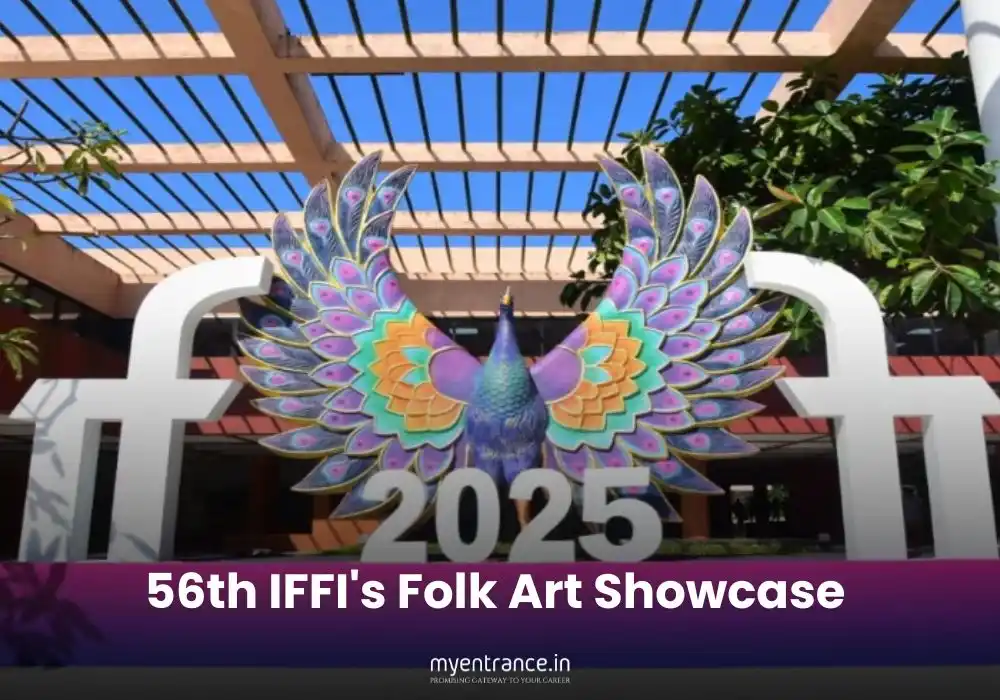
India, a land of unparalleled diversity, constantly presents its vibrant cultural tapestry through various national and international platforms. One such significant event that beautifully blended the world of cinema with the rich heritage of performing arts was the 56th International Film Festival of India (IFFI) in Goa. Beyond its primary focus on global and Indian cinema, the festival became a grand stage for traditional folk art, offering a profound glimpse into the heart of the nation’s cultural identity. For aspiring candidates preparing for competitive examinations such as UPSC, SSC, PSC, NID, and NIFT, understanding the depth and implications of such cultural showcases is not merely about current affairs, but about building a foundational knowledge of India’s artistic and societal landscape.
What Was Showcased? A Kaleidoscope of India’s Living Traditions
At the 56th IFFI, an extraordinary initiative brought together an array of “vibrant folk art performances” from sixteen different states across India. These were not merely static displays but dynamic expressions of traditional dances and other cultural forms. The essence of the showcase lay in presenting the diverse regional identities and artistic legacies that have been preserved and passed down through generations. From energetic harvest dances to intricate narrative performances, each presentation served as a living testament to the unique customs, stories, and aesthetic sensibilities inherent to various communities. This assembly of diverse art forms created a rich mosaic, reflecting the country’s unity in its incredible cultural variety, making it a critical topic for those studying Indian art and culture.
Where and When Did This Cultural Confluence Occur? The IFFI Stage in Goa
This significant cultural event unfolded at the very heart of the 56th International Film Festival of India, held in Goa. IFFI, an annual film festival conducted jointly by the Ministry of Information and Broadcasting, Government of India, and the Government of Goa, stands as one of Asia’s oldest and most prestigious film festivals. Its primary objective is to provide a common platform for the world’s cinema, fostering understanding and appreciation of film cultures. By integrating folk art performances directly into the festival venue, IFFI transformed into a broader cultural hub, extending its reach beyond just cinematic narratives to encompass the performing arts. This strategic placement ensured maximum visibility, not only for Indian and international film delegates but also for general visitors, thereby amplifying the reach and appreciation for these traditional art forms.
Why Was This Showcase Organized? The Vision of Cultural Preservation and Promotion
The driving force behind bringing these diverse folk art forms to IFFI was the Central Bureau of Communication (CBC), under the Ministry of Information and Broadcasting. The primary objective was multifaceted: to promote India’s rich cultural heritage, provide a platform for folk artists, and foster national integration. By showcasing traditions from sixteen different states, the CBC aimed to highlight the strength and beauty of India’s ‘unity in diversity’. This initiative also serves as a critical effort towards the preservation of these often-vulnerable art forms, providing economic opportunities and recognition for the artists who are the custodians of these traditions. Integrating folk art with a global event like IFFI also subtly serves India’s soft power diplomacy, presenting a holistic and culturally rich image of the nation to an international audience. It underscores the government’s commitment to supporting and promoting indigenous art forms, a crucial aspect for understanding government policies and cultural schemes in competitive exams.
How Does This Connect to Competitive Exams? Bridging Culture with Knowledge
For students preparing for competitive exams, understanding an event like the folk art showcase at the 56th IFFI transcends mere factual recall. It offers a tangible link to several core syllabus areas:
Firstly, in Indian Art and Culture, it directly addresses topics related to performing arts, folk dances, traditional music, and regional cultural identities. Knowledge of such initiatives helps in comprehending how these art forms are being preserved and promoted. Secondly, as a significant Current Affairs event, it demonstrates the government’s efforts in cultural promotion and national integration. Thirdly, it highlights the roles and functions of various government bodies, such as the Central Bureau of Communication (CBC) and the International Film Festival of India (IFFI), which are frequently part of questions on public administration and institutions. Furthermore, the concept of ‘unity in diversity’ and the promotion of cultural heritage are integral themes in social studies and general knowledge sections. Finally, for exams like NID and NIFT, understanding the visual and performing arts, cultural aesthetics, and the broader context of Indian design and heritage is absolutely essential. By analyzing the ‘what’, ‘where’, ‘when’, ‘why’, and ‘how’ of such events, aspirants can develop a comprehensive, interdisciplinary understanding crucial for tackling complex questions.
Frequently Asked Questions (FAQs)
1. What is the International Film Festival of India (IFFI)?
The International Film Festival of India (IFFI) is one of Asia’s most significant and oldest film festivals, held annually in Goa. Jointly conducted by the Ministry of Information and Broadcasting, Government of India, and the Government of Goa, its primary aim is to provide a common platform for the world’s cinema, fostering understanding and appreciation of film cultures through diverse cinematic expressions.
2. What was the main objective of showcasing folk art at the 56th IFFI?
The main objective was to celebrate and promote India’s rich cultural diversity and heritage. By integrating folk art from 16 different states, the initiative aimed to provide a national and international platform for traditional artists, foster national integration by highlighting regional cultural identities, and contribute to the preservation of these invaluable art forms.
3. Which government body was responsible for organizing this folk art exhibition at IFFI?
The Central Bureau of Communication (CBC), which operates under the Ministry of Information and Broadcasting, Government of India, was responsible for bringing and showcasing these vibrant folk art performances from across the country to the IFFI venue.
4. How does understanding such cultural events benefit competitive exam aspirants?
Understanding events like the IFFI folk art showcase is crucial for competitive exam aspirants as it directly relates to syllabi on Indian Art and Culture, Current Affairs, and Government Initiatives. It helps candidates comprehend cultural preservation efforts, the role of government bodies, and the concept of ‘unity in diversity,’ thereby providing a holistic view of India’s socio-cultural landscape, often tested in various exams.
5. What kind of cultural expressions were part of the folk art showcase at IFFI?
The showcase featured a wide array of “vibrant folk art performances,” primarily traditional dances and other cultural expressions specific to 16 different states. These included various forms of performing arts that embody regional customs, rituals, stories, and community identities, offering a dynamic and colourful glimpse into India’s diverse living heritage.
***





