
Understanding the Invisible Danger: PM2.5 and Its Reach
In the realm of public health and environmental science, few topics demand as much urgent attention as air pollution. Among its many components, fine particulate matter, specifically PM2.5, stands out as a particularly insidious threat. These microscopic particles, measuring less than 2.5 micrometers in diameter, are so tiny that they can easily penetrate deep into our lungs and even enter our bloodstream, bypassing the body’s natural defense mechanisms. Sources are diverse, ranging from vehicle emissions and industrial activities to biomass burning and construction dust. The health implications of prolonged exposure to high levels of PM2.5 are well-documented, contributing to respiratory diseases, cardiovascular problems, and even neurological disorders. For aspiring civil servants and professionals, a thorough understanding of PM2.5 – its definition, sources, and general health impacts – is fundamental, often appearing in environmental studies and general science sections of exams like UPSC, SSC, and PSC.
The Groundbreaking Revelation from IIT Delhi
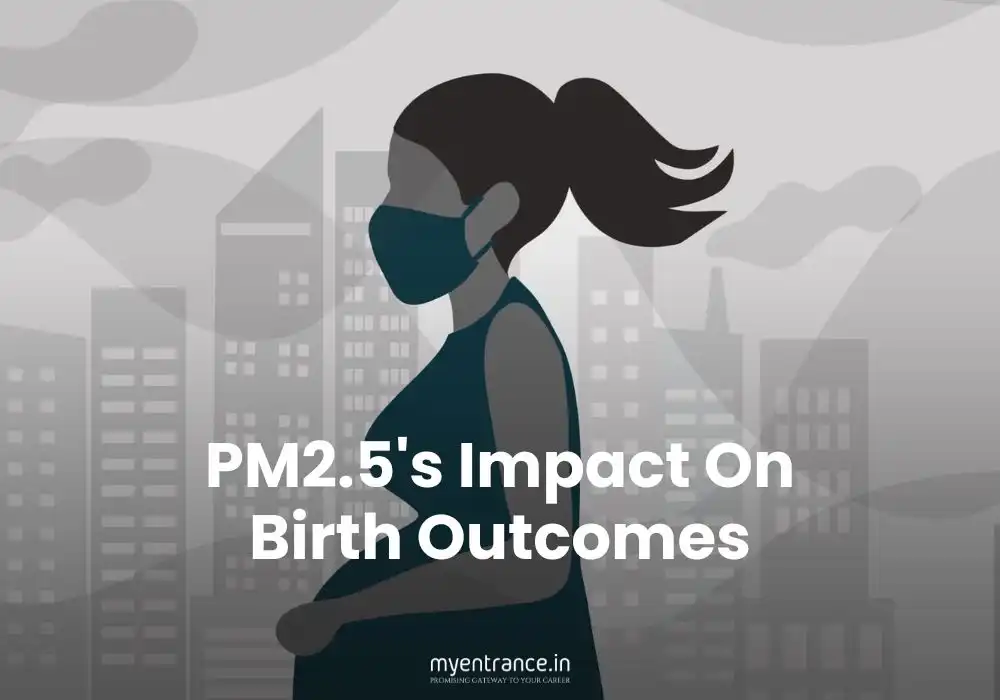
Recently, a significant piece of research emerged from the prestigious Indian Institute of Technology (IIT) Delhi, underscoring an even more alarming consequence of PM2.5 pollution. During a recent Open House event, researchers presented compelling evidence linking exposure to this fine particulate matter with increased birth risks. This groundbreaking finding highlights a critical concern for maternal and child health, suggesting that the air quality mothers breathe can directly influence the health and development of their unborn children. While specific details of the risks might vary, such research commonly points towards increased chances of adverse outcomes like low birth weight, premature births, and potential developmental challenges in newborns. This revelation from a premier Indian institution not only emphasizes the severity of our environmental challenges but also reinforces the importance of cutting-edge scientific inquiry in addressing them.
Why This Research Matters for Aspiring Professionals
The findings from IIT Delhi are not just a piece of news; they represent a crucial update in our understanding of environmental health, carrying significant weight for candidates preparing for various competitive examinations. For those targeting UPSC Civil Services, this topic seamlessly integrates into the General Studies Paper III (Environment and Ecology, Science and Technology, Health) and even Essay papers. Questions could range from the scientific mechanisms linking PM2.5 to birth risks, to government policies aimed at mitigating air pollution, or the role of research institutions in public health. Similarly, for SSC and PSC exams, it could appear as a current affairs question, a static GK fact about air pollutants, or a general science query on health impacts. Even candidates for NID and NIFT, who often face questions on current environmental challenges and their societal implications, must be aware of such developments, as they inform design for a healthier future. Understanding the ‘why’ behind environmental policies and health advisories often stems from such research.
Addressing the Challenge: Solutions and Exam Preparation
Recognizing the severe impact of PM2.5, both nationally and globally, various governments and international bodies are implementing a range of pollution control measures. These include stricter emission standards for vehicles and industries, promotion of renewable energy sources, sustainable urban planning, and public awareness campaigns. From an examination perspective, knowing about government initiatives like the National Clean Air Programme (NCAP), GRAP (Graded Response Action Plan), or specific urban air quality improvement projects becomes vital. Understanding the ‘how’ of these solutions and critically analyzing their effectiveness will equip you with the depth required to tackle analytical questions. As an aspirant, your preparation should involve connecting such current affairs directly to your static general knowledge base – understanding the chemical composition of pollutants, their meteorological dispersion, and the public health infrastructure in place. Engaging with daily news quizzes and comprehensive current affairs reviews on platforms like myentrance.in will solidify your grasp on these interconnected topics, ensuring you are well-prepared to articulate solutions and understand the multifaceted nature of environmental challenges.
Frequently Asked Questions (FAQs)
Q1: What exactly is PM2.5 and why is it considered so dangerous?
A1: PM2.5 refers to fine particulate matter with a diameter less than 2.5 micrometers, making it about 30 times smaller than the average human hair. It’s considered dangerous because its small size allows it to penetrate deep into the lungs and even enter the bloodstream, leading to serious health issues like respiratory diseases, heart problems, and as recent research suggests, adverse birth outcomes.
Q2: What specific birth risks are being linked to PM2.5 pollution by researchers?
A2: While the exact findings from individual studies may vary, research commonly links PM2.5 exposure during pregnancy to increased risks of adverse birth outcomes such as low birth weight, premature births (delivery before 37 weeks of pregnancy), and potential developmental challenges in newborns. These outcomes can have long-term health implications for the child.
Q3: Why is the research from IIT Delhi on PM2.5 and birth risks particularly significant for competitive exams?
A3: This research is significant for exams because it is a current affair from a premier Indian institution, connecting environmental science with public health. It can be tested in multiple sections: current affairs, environment and ecology, science and technology, and public health policies for exams like UPSC, SSC, and PSC, requiring aspirants to understand both the scientific aspect and its policy implications.
Q4: How should an aspirant prepare for questions related to environmental research like this in exams?
A4: Aspirants should prepare by first understanding the basics of environmental pollution (types, sources, impacts). Then, they must track current affairs, especially research from national institutions, connecting these new findings to existing static general knowledge. Focus on the ‘why’ and ‘how’ – why is this pollution problematic, and how are government policies and scientific research addressing it. Utilize daily news quizzes and detailed current affairs analysis provided on platforms like myentrance.in.
Q5: What measures are the government and other bodies taking to combat PM2.5 pollution in India?
A5: The government has launched several initiatives, including the National Clean Air Programme (NCAP), which aims to reduce particulate matter concentration. Other measures include implementing stricter emission norms for vehicles (e.g., BS-VI), promoting electric vehicles, enhancing public transport, increasing renewable energy use, and enforcing Graded Response Action Plan (GRAP) during high pollution episodes in certain regions.





