
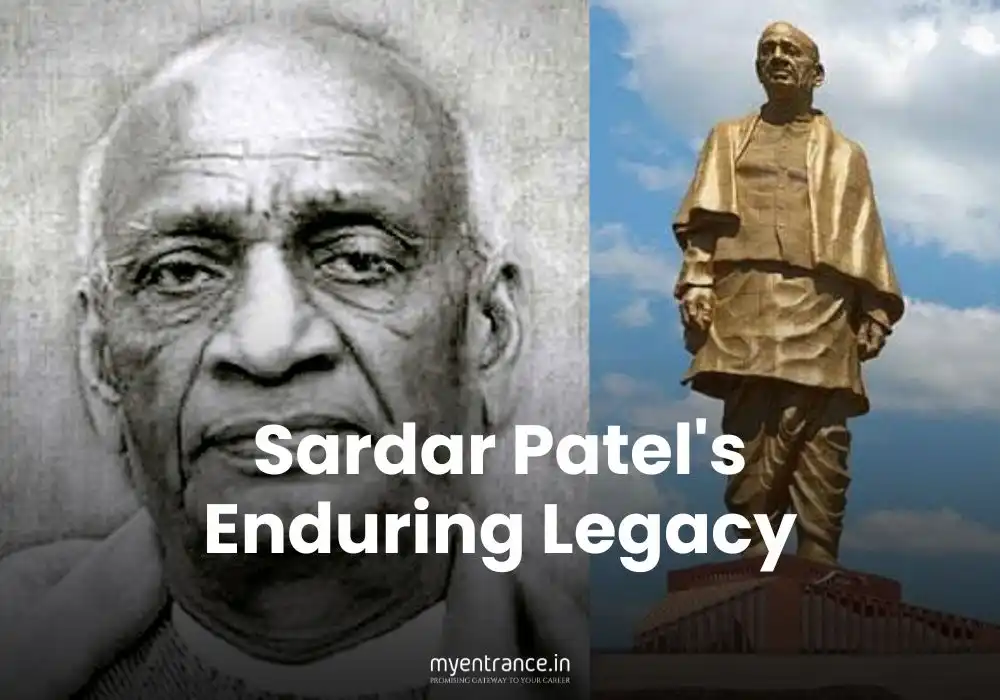
Igniting National Spirit: The Unity Walk in Focus
In a vibrant display of national pride and historical remembrance, Puducherry recently hosted a significant “Unity Walk,” a powerful tribute marking the 150th birth anniversary of one of India’s greatest architects, Sardar Vallabhbhai Patel. This event, orchestrated under the banner of Mera Yuva Bharat, an initiative of the Ministry of Youth Affairs and Sports, served as a poignant reminder of the ideals of national integration and solidarity that Sardar Patel championed throughout his life. It was more than just a commemorative procession; it was an active reaffirmation of the spirit that binds our diverse nation, designed to resonate deeply with the younger generation and all citizens preparing for various competitive examinations.
Sardar Patel’s Enduring Vision: A Historical Perspective
Understanding the ‘why’ behind such an event is crucial for any aspiring civil servant or competitive exam candidate. Sardar Vallabhbhai Patel, affectionately known as the ‘Iron Man of India,’ played an unparalleled role in the post-independence integration of over 500 princely states into the Indian Union. His unwavering resolve, diplomatic acumen, and commitment to a united India laid the foundational bedrock of our modern nation. Celebrating his 150th birth anniversary is not merely a historical observance; it’s an opportunity to reflect on the immense challenges he overcame and the profound vision he bequeathed – a vision of a strong, unified, and prosperous India. For students, this connects directly to vital topics in Indian history, polity, and the principles enshrined in our constitution, offering invaluable insights for essays and general studies papers.
Mera Yuva Bharat: Fostering Youth Engagement
The organization behind this meaningful event, Mera Yuva Bharat (MY Bharat), is a critical component of understanding current government initiatives and schemes. Launched recently, MY Bharat aims to provide a comprehensive and converged platform for youth development and engagement. By empowering young individuals to become active agents of change and nation-building, it seeks to instill values of patriotism, leadership, and social responsibility. The Unity Walk exemplifies how such initiatives translate into practical engagement, bringing together various stakeholders, including students, to collectively honor national heroes and uphold cherished values. Knowing about such schemes is vital for the general awareness and current affairs sections of many competitive examinations, including UPSC, SSC, and PSC.
Puducherry’s Role: A Symbol of Collective Aspiration
The choice of Puducherry as the location for this particular Unity Walk adds another layer of significance. The event commenced near the historic Swadeshi Mill, with the Union Territory’s Lieutenant Governor K. Kailasanathan personally flagging off and actively participating in the four-kilometre walk alongside enthusiastic students. This participation from high-ranking officials underscores the national importance attributed to Sardar Patel’s legacy and the government’s commitment to youth involvement. The sight of students marching with purpose, guided by their leaders, painted a vivid picture of collective aspiration for a stronger, more cohesive India. Geographical locations and local administration initiatives often appear in state-specific PSC exams and general knowledge quizzes, making this detail particularly relevant.
Leveraging Current Events for Exam Success
For those preparing diligently for UPSC, SSC, PSC, NID, NIFT, and other government exams, understanding events like the Unity Walk goes beyond simply knowing what happened. It’s about extracting multi-faceted knowledge that can be applied across various sections of your examination. Consider these key takeaways: Who was Sardar Patel and what were his key contributions (Static General Knowledge, Indian History)? What is Mera Yuva Bharat and what are its objectives (Current Affairs, Government Schemes)? What is ‘Rashtriya Ekta Diwas’ (National Unity Day) and when is it observed (Current Affairs, Important Days)? By analyzing the ‘why,’ ‘what,’ ‘where,’ ‘when,’ and ‘how’ of such events, you can effectively connect historical facts with current happenings, thereby enriching your understanding and significantly improving your performance across the diverse syllabi you face. This integrated approach is key to mastering competitive examinations.
Frequently Asked Questions (FAQs)
Q1: Who was Sardar Vallabhbhai Patel and why is he considered a pivotal figure in Indian history?
A1: Sardar Vallabhbhai Patel was an Indian barrister, a senior leader of the Indian National Congress, and a founding father of the Republic of India who played a leading role in the country’s struggle for independence and its subsequent integration. He is primarily known as the “Iron Man of India” for his instrumental role in integrating over 500 princely states into the Indian Union post-independence, a monumental task that solidified India’s geographical and political unity. His contributions are crucial for anyone studying modern Indian history.
Q2: What is the significance of the 150th birth anniversary of Sardar Vallabhbhai Patel?
A2: The 150th birth anniversary marks a century and a half since his birth, providing a significant occasion to reflect upon and celebrate his unparalleled contributions to India’s unity, integrity, and administrative framework. It serves as a national reminder of his ideals of patriotism, self-reliance, and strong governance, inspiring current and future generations to uphold these principles, making it an important current affairs topic linked to static general knowledge.
Q3: What is “Rashtriya Ekta Diwas” or National Unity Day, and when is it celebrated?
A3: Rashtriya Ekta Diwas, or National Unity Day, is observed annually on October 31st, which is the birth anniversary of Sardar Vallabhbhai Patel. This day was officially inaugurated in 2014 by the Government of India to reinforce the importance of national integration, unity, and security, and to honor Sardar Patel’s legacy as the architect of modern India’s unity. This is a frequently asked question in competitive exams related to important national days.
Q4: What is the Mera Yuva Bharat (MY Bharat) initiative, and what are its objectives?
A4: Mera Yuva Bharat (MY Bharat) is an autonomous body established by the Ministry of Youth Affairs and Sports, Government of India. It functions as a comprehensive platform for youth development and engagement, aiming to empower young people to become active catalysts in nation-building. Its objectives include fostering leadership skills, promoting community service, providing opportunities for skill development, and instilling a sense of national pride and responsibility among the youth. Understanding government initiatives like MY Bharat is essential for current affairs and governance sections of exams.
Q5: How can staying updated on events like the Unity Walk help in competitive exam preparation?
A5: Staying updated on events like the Unity Walk is highly beneficial for competitive exam preparation as they are rich sources of integrated knowledge. They provide current affairs information (e.g., government initiatives like MY Bharat), static general knowledge (e.g., historical figures like Sardar Patel, important dates like National Unity Day), and insights into government policies and national priorities. By analyzing the ‘who,’ ‘what,’ ‘why,’ ‘where,’ ‘when,’ and ‘how’ of such events, aspirants can connect historical facts with contemporary developments, enhancing their overall understanding and analytical skills crucial for exam success.





