
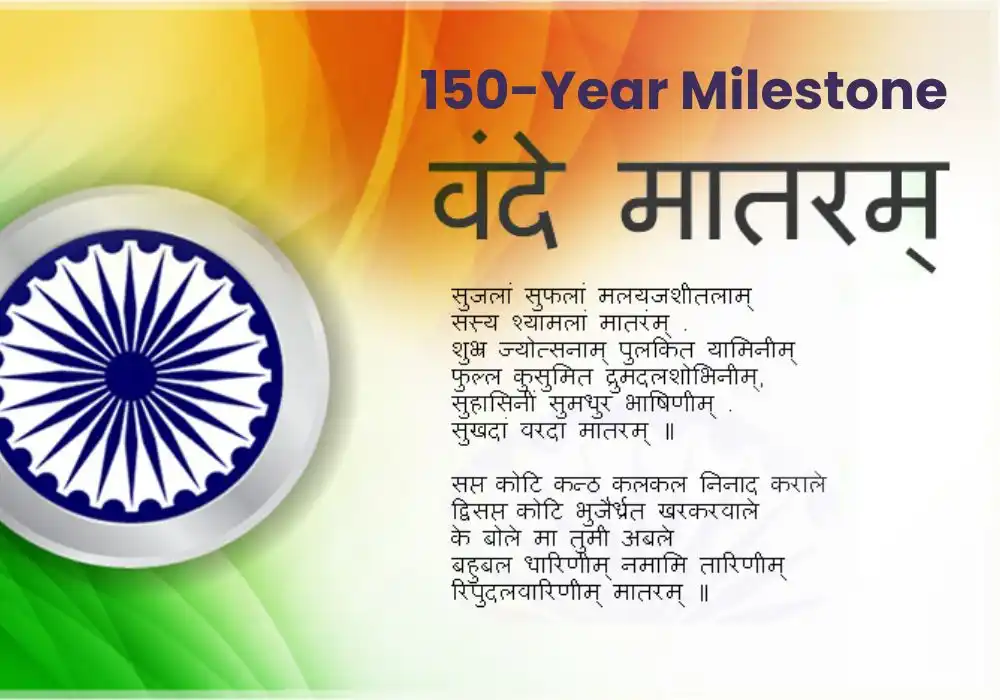
As our nation recently marked a significant cultural milestone, the 150th anniversary of the revered patriotic song ‘Vande Mataram’ took center stage. This momentous occasion is not just a celebration of a melody; it’s an opportunity to delve deep into a piece of history that remains profoundly relevant for aspirants preparing for UPSC, SSC, PSC, NID, NIFT, and various other government examinations. Understanding the origins, impact, and significance of Vande Mataram is crucial for both current affairs and static general knowledge sections, offering invaluable insights for your exam success.
The Genesis of a National Spirit
Penned by the illustrious literary giant Bankim Chandra Chatterjee, ‘Vande Mataram’ first appeared in his Bengali novel ‘Anandamath’ in 1882. While its formal publication date often marks its inception, the idea and composition might predate this. The song quickly transcended its literary origins, becoming an electrifying anthem of the Indian independence movement. It embodied the spirit of patriotism and resistance against colonial rule, inspiring countless freedom fighters to dedicate themselves to the cause of a free India. This powerful composition was much more than a song; it was a declaration of unwavering love for the motherland, resonating deeply with the masses and galvanizing them towards the dream of a sovereign nation. Its 150th year commemoration highlights its enduring legacy and foundational role in shaping our national narrative.
From Novel to National Icon
The journey of Vande Mataram from a novel’s verse to a national rallying cry is a testament to its profound emotional and spiritual appeal. It was famously sung by Rabindranath Tagore at the 1896 session of the Indian National Congress, firmly establishing its place in the political consciousness of the era and cementing its status as a symbol of national unity. Later, during the tumultuous Swadeshi movement and the period of the Partition of Bengal, it became an omnipresent slogan and song, uniting people across linguistic and regional divides under a common banner of resistance. While our independent nation adopted ‘Jana Gana Mana’ as the National Anthem, ‘Vande Mataram’ was accorded the unique and venerable status of the National Song, holding a place of immense pride alongside the anthem, recognized for its unparalleled historical contribution to the freedom struggle. This distinction itself is a frequently tested fact in competitive examinations, making it an essential piece of knowledge for any aspiring civil servant.
Why This Milestone is Essential for Your Exams
For aspiring candidates, events like the 150th anniversary of Vande Mataram are goldmines of information and direct links to syllabus topics. It directly connects to crucial areas in Indian History, particularly the freedom struggle, various nationalist movements, and the contributions of prominent literary figures. Questions on its author, the specific novel it featured in, its first public rendition, its pivotal role in specific historical movements, and its current constitutional status are common in UPSC Civil Services, SSC CGL, PSC examinations, and other government recruitment tests. Furthermore, the commemorative events themselves, which are often organized nationwide across hundreds of locations, become important current affairs facts. Keeping abreast of such significant national celebrations ensures you are well-prepared for dynamic questions that seamlessly bridge current events with static general knowledge. Our interactive quizzes and daily news updates at myentrance.in regularly feature such crucial interconnected topics, helping you master these nuances.
Global Recognition and Continuing Resonance
The widespread recognition and the recent nationwide programs held to honor Vande Mataram underscore its universal appeal and continuing relevance within India. From educational institutions to grand cultural gatherings, the song’s spirit continues to inspire new generations, fostering a sense of patriotism and historical awareness. These commemorative events, often featuring discussions, artistic performances, and educational outreach, aim to reacquaint citizens with the song’s immense historical importance and its foundational place in our national identity. For students, understanding the *context* of such commemorations – why they happen, the entities (often government bodies and cultural organizations) that orchestrate them, and their overarching educational and national objectives – is as vital as memorizing the specific historical facts associated with the song itself. This deeper understanding aids in analytical questions frequently posed in higher-level examinations.
Frequently Asked Questions (FAQs)
1. Who composed ‘Vande Mataram’?
‘Vande Mataram’ was composed by the renowned Bengali poet and novelist, Bankim Chandra Chatterjee.
2. In which year did ‘Vande Mataram’ first appear, and in which work?
The song first appeared in Bankim Chandra Chatterjee’s iconic Bengali novel ‘Anandamath’, which was published in 1882.
3. When was ‘Vande Mataram’ first publicly sung at a significant political event?
It was famously sung by Rabindranath Tagore at the 1896 session of the Indian National Congress, marking its entry into mainstream political discourse.
4. What is the constitutional status of ‘Vande Mataram’ in India?
While ‘Jana Gana Mana’ is officially designated as India’s National Anthem, ‘Vande Mataram’ holds the esteemed status of the National Song of India, recognizing its historical significance.
5. Why is understanding ‘Vande Mataram’ important for competitive exams?
It is crucial for your preparation in Indian History (especially the freedom struggle and nationalist movements), Static General Knowledge, and Current Affairs, as questions often cover its origin, profound significance, author, and its pivotal role in national historical events.





