
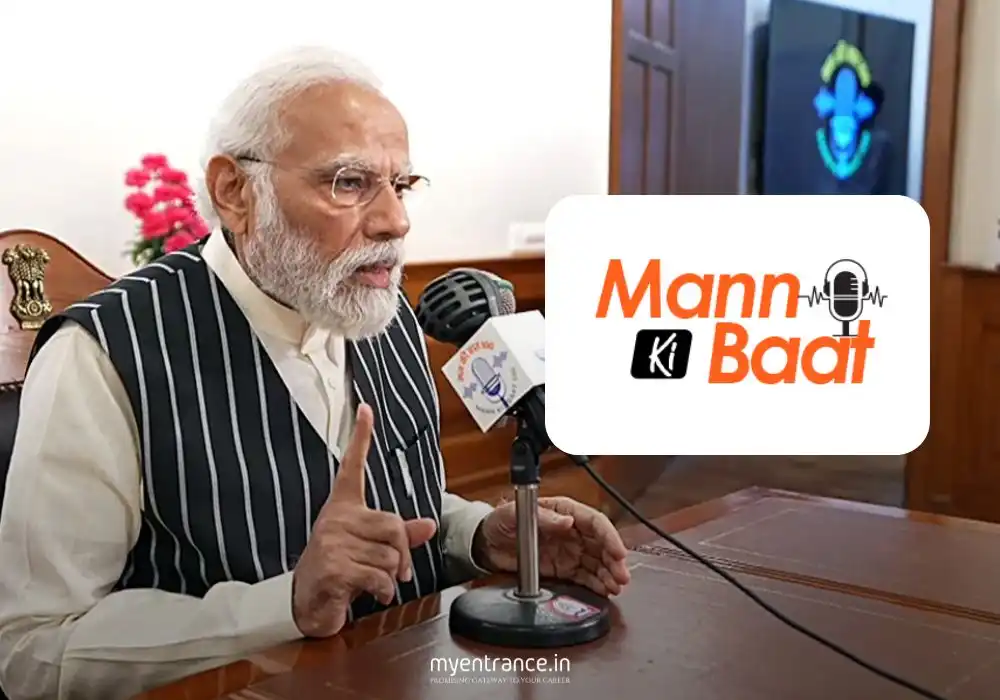
Decoding the Nation’s Pulse: What ‘Mann Ki Baat’ Represents
Prime Minister Narendra Modi’s “Mann Ki Baat” program, broadcast monthly on Akashvani, serves as a unique platform for direct communication with the citizens of India. Far more than just a radio address, it has evolved into a significant conduit for understanding the government’s vision, celebrating national achievements, and fostering a sense of collective responsibility. For aspirants preparing for competitive examinations such as UPSC, SSC, PSC, NID, NIFT, and other government recruitment tests, regularly engaging with the themes discussed in “Mann Ki Baat” is crucial. It offers invaluable insights into current affairs, socio-cultural developments, policy priorities, and an extensive range of general knowledge topics that frequently appear in examination papers.
Celebrating Our Rich Tapestry: Cultural Unity and National Heritage
In a recent address, Prime Minister Modi eloquently highlighted the profound connection between culture, nature, and society, particularly through the lens of festivals like the Chhath Mahaparva. This grand festival, widely celebrated, especially in Bihar, was presented as a powerful symbol of deep cultural unity. Such discussions are not merely ceremonial; they underscore the government’s emphasis on preserving and promoting India’s diverse national heritage. For competitive exams, understanding the significance of various festivals, regional customs, and their role in national integration is vital for both static General Knowledge and Current Affairs sections. The ‘why’ behind celebrating these traditions, the ‘what’ of their unique rituals, and the ‘how’ they contribute to our collective identity are all key areas for examination focus.
Empowering Local, Building Global: Indigenous Initiatives and Self-Reliance
Another recurring and paramount theme in “Mann Ki Baat” is the promotion of indigenous initiatives. The Prime Minister consistently advocates for strengthening local industries, supporting artisans, and encouraging self-reliance – concepts that resonate deeply with the “Vocal for Local” movement. These initiatives are designed to boost the national economy, create employment opportunities, and showcase India’s innovative spirit on a global stage. Aspiring civil servants and professionals must grasp the ‘how’ these programs contribute to national development, the ‘what’ specific schemes are being promoted, and the ‘why’ indigenous growth is critical for India’s strategic autonomy. These topics are directly relevant to economics, governance, and social issues sections of various competitive exams.
Connecting the Dots for Competitive Exams: Your Strategic Advantage
So, how does listening to “Mann Ki Baat” become an integral part of your exam preparation strategy? Firstly, it serves as an excellent source for Current Affairs, providing a direct overview of recent government initiatives, national celebrations, and public consciousness. Secondly, it enriches your General Knowledge by offering details on cultural festivals, historical references, and geographical mentions. Thirdly, the discussions on indigenous products and policy priorities directly feed into Economics and Governance sections. Furthermore, the emphasis on cultural unity and national heritage aids in preparing for Essay Writing and Descriptive Answer components, allowing you to articulate well-rounded perspectives. The program often highlights exemplary citizens and community efforts, providing valuable anecdotes that can enhance your answers and showcase your awareness of societal contributions. By systematically following these broadcasts, you gain a holistic understanding of national priorities, which is indispensable for any competitive examination.
Frequently Asked Questions
1. What is the primary purpose of the ‘Mann Ki Baat’ program?
The primary purpose of ‘Mann Ki Baat’ is to establish direct communication between the Prime Minister and the citizens of India, allowing him to share thoughts, highlight national achievements, discuss social issues, promote government initiatives, and foster a sense of collective purpose and unity across the nation.
2. How often is ‘Mann Ki Baat’ broadcast, and on which platform?
‘Mann Ki Baat’ is typically broadcast once a month, usually on a Sunday. It is primarily aired on All India Radio (Akashvani) and is also telecast on Doordarshan, with regional language versions following the main Hindi broadcast.
3. Why is the Chhath Mahaparva often highlighted in national addresses like ‘Mann Ki Baat’?
The Chhath Mahaparva is highlighted because it exemplifies profound cultural unity, a strong connection to nature (worship of the Sun God), and deep societal values. It serves as a powerful symbol of India’s rich heritage and the harmonious blend of diverse traditions, making it a relevant example for themes of national integration and cultural preservation.
4. How do discussions on indigenous initiatives in ‘Mann Ki Baat’ benefit competitive exam aspirants?
Discussions on indigenous initiatives are crucial for aspirants as they provide insights into economic policies, “Vocal for Local” campaigns, self-reliance (Atmanirbhar Bharat), and the government’s vision for boosting local manufacturing and entrepreneurship. These topics are directly relevant to Economics, Governance, and Current Affairs sections of competitive examinations.
5. Can listening to ‘Mann Ki Baat’ genuinely help in preparing for exams like UPSC or SSC?
Absolutely. Listening to ‘Mann Ki Baat’ regularly can significantly enhance your preparation for exams like UPSC and SSC. It provides valuable current affairs updates, enriches general knowledge, offers insights into government policies and social issues, and even provides material for essay writing and descriptive answers, helping you connect various aspects of national development.





