
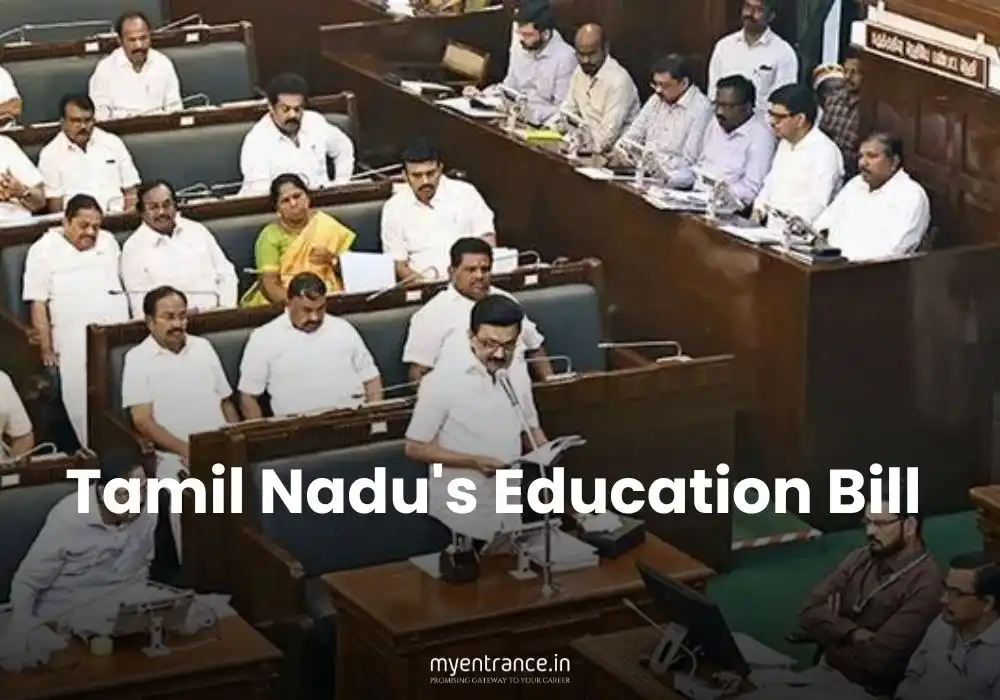
The landscape of higher education in India is perpetually evolving, with policy shifts often sparking significant debate. Recently, a legislative proposal in Tamil Nadu, designed to regulate private universities, has emerged as a focal point of discussion. This development, marked by considerable opposition and a subsequent directive from the Chief Minister for a comprehensive review, carries profound implications not just for the state’s educational institutions but also for students, faculty, and future aspirants preparing for competitive examinations like UPSC, SSC, PSC, NID, NIFT, and other government roles. Understanding the nuances of such policy changes is crucial for staying informed and excelling in your general awareness and current affairs sections.
The Genesis of the Bill: What It Aims to Achieve
At its core, the proposed Tamil Nadu Private Universities Bill seeks to establish a more structured regulatory framework for private universities operating within the state. The primary objective, as stated, is often to ensure quality education, prevent commercialization, regulate fee structures, and uphold academic standards. The government’s intent is typically to bring these institutions under a clear set of guidelines, ensuring accountability and safeguarding the interests of students. This type of legislation often arises when governments perceive a need to harmonize the operations of private players with broader public policy goals in education, particularly concerning access, equity, and excellence. The ‘why’ behind such a bill usually stems from a desire to bridge perceived gaps in existing regulatory mechanisms or to address specific concerns about the functioning of autonomous private bodies.
Voices of Concern: Understanding the Backlash
However, the introduction of this Bill was met with a significant backlash from various stakeholders. The ‘what’ of this opposition primarily revolves around concerns about academic autonomy, potential government overreach, and the implications for the operational independence of private universities. Many institutions and educational bodies argued that certain provisions in the Bill could stifle innovation, impede administrative flexibility, and make it challenging to attract top-tier faculty and students. There were apprehensions that excessive regulation might dilute the unique academic environments these universities strive to create, potentially impacting their ability to respond dynamically to global educational trends. Faculty members expressed worries about their professional freedom, while students and parents pondered the potential effects on curriculum design and the overall quality of higher learning. The ‘who’ of the opposition includes university managements, academic experts, student organizations, and even some sections of the public who believe in fostering greater autonomy for educational institutions.
The Chief Minister’s Intervention: A Call for Reassessment
Recognizing the widespread concerns and the intensity of the debate, the Chief Minister of Tamil Nadu promptly instructed a thorough review of the proposed Bill. This ‘when’ and ‘how’ signifies the democratic process at play, where public feedback and expert opinions lead to a re-evaluation of policy. The instruction to review underscores the government’s commitment to inclusive policy-making and its willingness to reconsider controversial provisions. This reassessment process typically involves consultations with a broader range of stakeholders, including educational experts, legal professionals, and representatives from private institutions, to find a balanced approach that achieves regulatory goals without undermining institutional integrity or academic freedom. Such interventions are critical in ensuring that new legislation is robust, fair, and conducive to the overall growth of the education sector.
Implications for Higher Education and Exam Aspirants
For students and aspirants preparing for demanding examinations like UPSC, SSC, PSC, NID, NIFT, and various other government job tests, developments like the Tamil Nadu Private Universities Bill are more than just local news. They represent crucial current affairs topics that can appear in general awareness sections, essay questions, and even interview discussions. Understanding the ‘where’ and ‘how’ of education policy formulation, its impact on institutional structures, and the broader debate around public versus private roles in education, provides invaluable context. Such topics test your analytical skills, your awareness of socio-economic issues, and your ability to articulate informed opinions, which are vital for competitive exam success. These legislative actions influence the availability of quality education, career pathways, and the overall socio-economic fabric, making them essential knowledge for any well-rounded aspirant.
Frequently Asked Questions (FAQs)
1. What is the core purpose of the Tamil Nadu Private Universities Bill?
The Bill primarily aims to establish a comprehensive regulatory framework for private universities in Tamil Nadu. Its main objectives are to ensure quality education, prevent commercialization, standardize fee structures, and generally bring these autonomous institutions under a more accountable set of government guidelines, aligning them with broader public policy goals for higher education.
2. Why has the Bill faced significant backlash from various groups?
The backlash largely stems from concerns about potential government overreach and the erosion of academic autonomy for private universities. Stakeholders, including university managements and academic experts, fear that certain provisions might stifle innovation, hinder operational flexibility, and make it challenging for institutions to maintain their distinct academic identity and attract talent, ultimately impacting educational quality.
3. Who are the key stakeholders affected by the proposed legislation?
The primary stakeholders include the private universities themselves (their management, faculty, and staff), students currently enrolled or aspiring to join, parents concerned about the quality and cost of education, and the government responsible for education policy. Additionally, the broader public and future aspirants for competitive exams are indirectly affected by changes in the educational landscape.
4. What does the Chief Minister’s instruction to review the Bill signify?
The Chief Minister’s directive for a comprehensive review indicates a responsive approach to the public and expert feedback. It signifies the government’s willingness to re-evaluate the Bill’s provisions, engage in further consultations with a wider range of stakeholders, and potentially amend the legislation to address concerns while still achieving its regulatory objectives in a more balanced manner.
5. How is understanding such education policy news relevant for competitive exams like UPSC or SSC?
For aspirants preparing for competitive exams, understanding education policy news like the Tamil Nadu Private Universities Bill is crucial for current affairs and general awareness sections. It provides valuable context for questions on governance, social issues, economic development, and even essay topics. It tests your analytical skills, your awareness of socio-political dynamics, and your ability to form informed opinions, all of which are vital for excelling in such examinations.





