
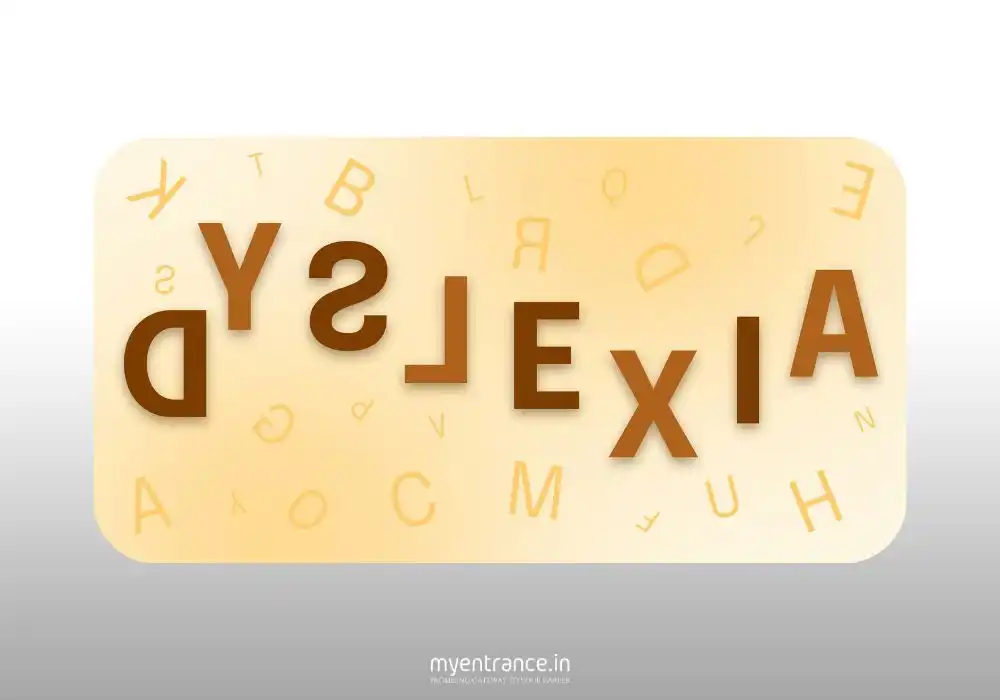
In the challenging landscape of competitive examinations for prestigious roles in SSC, UPSC, PSC, NID, NIFT, and various government sectors, aspiring candidates are tested not just on rote facts but on their comprehensive understanding of societal issues and current affairs. Among these vital topics, awareness regarding neurodevelopmental conditions like dyslexia stands out. It’s not merely a medical term; it represents a significant aspect of inclusive education and social understanding, making it a critical area for general knowledge and a topic that can often appear in essay papers, descriptive tests, or even interview discussions. Understanding dyslexia goes beyond textbook definitions; it reflects an aspirant’s empathy, their grasp of public policy, and their preparedness to contribute to a more inclusive society, qualities highly valued in public service.
Decoding Dyslexia: Essential Knowledge for Every Citizen and Aspirant
So, what exactly is dyslexia, and why should it be on your radar for competitive exam preparation? Dyslexia is a common learning difficulty that primarily affects the skills involved in accurate and fluent word reading and spelling. It is not an indication of intelligence, nor is it a visual impairment. Individuals with dyslexia often face challenges in processing written language, which can manifest as difficulties with phonological awareness, verbal memory, and processing speed. Recognizing these challenges is the first step towards fostering an inclusive environment. For exam aspirants, knowing the ‘what’ and ‘how’ of dyslexia is crucial for current affairs and static general knowledge sections. You might encounter questions related to its definition, prevalence, common misconceptions, or government initiatives aimed at supporting dyslexic individuals. Possessing this knowledge demonstrates a well-rounded understanding of contemporary social issues and the diverse needs within our population.
The Power of Awareness: How National Campaigns Foster Inclusive Societies
Nationwide campaigns and awareness initiatives play a pivotal role in bringing conditions like dyslexia into mainstream public discourse. These efforts, often spearheaded by educational bodies and government departments, aim to promote understanding, encourage early identification, and advocate for supportive educational environments. When high-ranking officials participate in such events, it underscores the government’s commitment to inclusive policies and the empowerment of all citizens. For you, the exam aspirant, understanding the objectives behind these campaigns is vital. Why are these events held? To reduce stigma, educate the public, and push for policy changes that ensure equitable opportunities for individuals with learning differences. This context is invaluable for answering questions in general awareness sections and crafting insightful essays on social justice, education reform, or disability inclusion, which are frequent themes in UPSC and other descriptive examinations. Staying updated on such national efforts through daily news quizzes and current affairs modules is a strategic move for comprehensive exam preparation.
Mastering Societal Insights: Dyslexia Awareness in Your Exam Preparation
How does integrating dyslexia awareness into your study routine contribute to your exam success? Firstly, it strengthens your current affairs and general knowledge base, providing you with factual information about a prevalent learning difficulty. Secondly, for exams requiring essay writing or descriptive answers, an informed perspective on social issues like dyslexia allows you to present well-reasoned arguments, demonstrate critical thinking, and offer potential solutions, thereby scoring higher marks. Thirdly, during interviews for government services, your understanding of such topics showcases your empathy, awareness of diverse societal needs, and your potential as a compassionate and effective administrator. Being able to discuss the importance of early identification, supportive interventions, and inclusive educational practices reflects a mature and informed outlook, essential for leadership roles. myentrance.in provides you with interactive examinations and answers, current affairs updates, and daily news quizzes that often cover these societal topics, preparing you not just for the questions but for the broader understanding required to excel.
Your Knowledge Partner: How myentrance.in Elevates Your Preparation
At myentrance.in, we are committed to equipping you with the holistic knowledge required to conquer competitive examinations. Our extensive resources, including interactive examinations, in-depth current affairs analysis, daily news quizzes, comprehensive static general knowledge modules, and expert examination tips, are meticulously designed to cover a wide spectrum of topics, from core subjects to crucial societal awareness issues like dyslexia. We believe that true preparation involves not just memorizing facts, but understanding their significance and context. By engaging with our expertly curated content, you gain not only the answers but also the intellectual framework to understand the ‘why,’ ‘what,’ ‘where,’ ‘when,’ and ‘how’ of every relevant subject, ensuring you are thoroughly prepared for any challenge your chosen exam presents.
Frequently Asked Questions and Answers
1. What exactly is dyslexia and how does it manifest in individuals?
Dyslexia is a common neurodevelopmental learning difficulty primarily affecting the skills required for accurate and fluent word reading and spelling. It typically manifests as challenges in processing written language, which can include difficulties with phonological awareness, decoding words, rapid naming, and verbal short-term memory, leading to slower and often less accurate reading. It is important to remember that dyslexia does not affect intelligence and individuals with dyslexia possess a wide range of cognitive abilities.
2. Why is national awareness about dyslexia considered important, especially for aspiring government officials?
National awareness campaigns are crucial because they help destigmatize dyslexia, promote early identification, and advocate for inclusive educational and societal support systems. For aspiring government officials, understanding these initiatives and the needs of dyslexic individuals is vital. It demonstrates empathy, a grasp of public policy regarding disability inclusion, and the capacity to contribute to governance that ensures equitable opportunities for all citizens, qualities highly valued in public service.
3. Can dyslexia be identified early, and what are the benefits of early intervention?
Yes, dyslexia can often be identified in early childhood, sometimes even before formal schooling begins, by observing certain developmental markers related to language and pre-reading skills. Early intervention provides significant benefits, allowing children to receive targeted support and strategies that can substantially improve their reading and spelling abilities, boost their self-esteem, and prevent academic and emotional difficulties from escalating. The earlier support is provided, the more effective it typically is in mitigating the challenges associated with dyslexia.
4. How can knowledge about dyslexia be relevant for different competitive exams like UPSC, SSC, and PSC?
Knowledge about dyslexia is highly relevant across various competitive exams. For UPSC and PSC, it can be a topic for essay writing, descriptive papers on social justice, education, or disability issues, and can feature in current affairs or general knowledge questions. In SSC and other government exams, questions might touch upon government schemes for persons with disabilities, or basic facts about common learning difficulties. Furthermore, during interviews, discussing such social awareness topics showcases a candidate’s well-rounded perspective and understanding of societal needs.
5. What kind of support systems and accommodations are typically available for individuals with dyslexia in educational or professional settings?
Support systems and accommodations for individuals with dyslexia often include specialized teaching methods focusing on phonics and multisensory learning, extended time for tests, assistive technologies such as text-to-speech software, audiobooks, and dictation tools. In educational settings, individualized education plans (IEPs) are common, while in professional environments, reasonable accommodations under disability rights laws may include flexible work arrangements, access to assistive technology, or alternative formats for written materials. The goal is to provide equitable access and opportunities for individuals to demonstrate their abilities without being hindered by their learning difference.





