
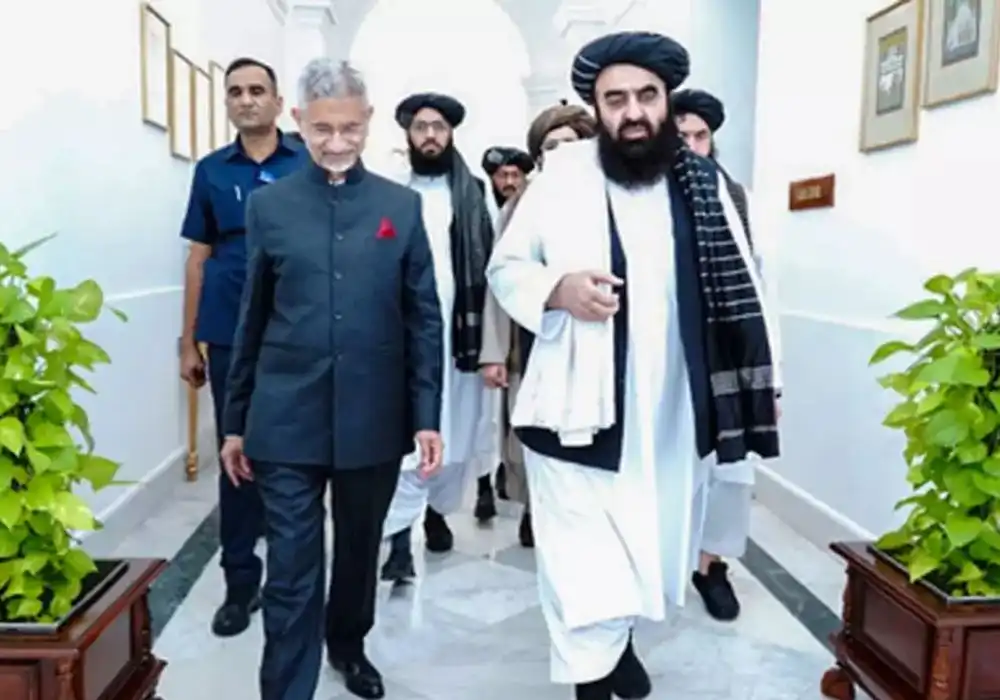
India Strengthens Diplomatic Footprint in Afghanistan
The Government of India has recently made a significant diplomatic stride by formally elevating the status of its Technical Mission in Kabul to a full-fledged Embassy. This decision, announced by the Ministry of External Affairs, came into effect immediately, signaling a robust and committed approach to India’s engagement with Afghanistan. For aspirants preparing for competitive examinations like UPSC, SSC, PSC, NID, NIFT, and other government recruitment tests, understanding the nuances of such geopolitical developments is absolutely crucial for current affairs and international relations sections. This move is not merely a procedural change but a powerful statement of intent that resonates deeply within diplomatic circles and regional dynamics.
Understanding the Diplomatic Upgrade: Why It Matters
Previously operating as a Technical Mission, India’s presence in Kabul has now been restored to the comprehensive status of an Embassy. But what exactly does this transformation signify, and why is it important for you as an exam aspirant? A Technical Mission typically focuses on specific, often limited, areas of cooperation, such as humanitarian aid, infrastructure projects, or technical assistance. An Embassy, on the other hand, represents the full spectrum of diplomatic relations, encompassing political, economic, cultural, and consular functions, and operates with a higher level of diplomatic representation and authority. This upgrade underscores India’s unwavering resolve to deepen its bilateral engagement across all spheres with the Afghan side. It’s a clear indication of India’s long-term commitment to the people of Afghanistan and its strategic interests in the region, reflecting a desire to re-establish robust and comprehensive diplomatic ties.
India’s Engagement with Afghanistan: Historical Context and Future Outlook
India has historically maintained strong ties with Afghanistan, playing a significant role in its reconstruction and development through various aid projects, including infrastructure, education, and healthcare. From the construction of the Afghan Parliament building to the Salma Dam (Friendship Dam), India’s contributions have been substantial. The decision to restore the embassy status is a powerful reaffirmation of this enduring relationship and India’s continued presence in the region, despite the complex geopolitical landscape. This strategic move suggests a re-evaluation of India’s foreign policy approach and an active push to re-establish full diplomatic channels, enabling more comprehensive dialogue and cooperation on various fronts. These areas include security, trade, regional connectivity projects like the Chabahar Port, and humanitarian assistance. This move also reflects India’s ambition to be a key player in shaping the future of Afghanistan and ensuring regional stability, highlighting its commitment to the well-being and prosperity of the Afghan people.
Geopolitical Impact and Exam Relevance
This diplomatic upgrade holds immense significance not only for India-Afghanistan relations but also for the broader regional dynamics, particularly in South and Central Asia. It positions India more firmly as a responsible stakeholder interested in peace, stability, and development in Afghanistan. For candidates preparing for exams, this topic touches upon several core subjects crucial for scoring high:
* Current Affairs: A direct, recent development that will feature prominently in news quizzes and general awareness sections.
* International Relations: This topic is a textbook example of India’s foreign policy, bilateral ties, and regional geopolitics, essential for UPSC and PSC examinations.
* General Knowledge: Understanding diplomatic terminologies, the functions of embassies, and global geopolitical events.
* Geography: The strategic location of Afghanistan, its neighbors, and its importance in regional trade routes.
Candidates should focus on understanding the implications of such decisions on India’s strategic autonomy, its relations with other regional powers, and its role in multilateral forums concerning Afghanistan. Myentrance.in provides comprehensive materials, including daily news quizzes and expert analyses, to help you dissect such topics, offering insights and practice questions to ensure you are exam-ready and can confidently answer any question related to India’s evolving diplomatic posture.
Frequently Asked Questions (FAQs)
Q1: What is the primary difference between a Technical Mission and a full Embassy?
A1: A Technical Mission usually has a more limited scope, focusing on specific functions like humanitarian aid, development projects, or technical cooperation. In contrast, a full Embassy represents the complete range of a country’s diplomatic relations, covering political, economic, consular, cultural, and security matters, with a broader mandate and higher diplomatic standing.
Q2: Why has India chosen to upgrade its mission in Kabul to an Embassy at this particular time?
A2: The timing of this upgrade is a strategic decision by the Ministry of External Affairs, signifying India’s firm commitment to deepening its engagement with Afghanistan across all sectors. It reflects a resolve to restore and strengthen full diplomatic ties, ensure regional stability, and pursue India’s long-term strategic, security, and humanitarian interests in the country, despite the complex prevailing circumstances.
Q3: What are India’s key interests and objectives in Afghanistan that this move supports?
A3: India’s primary interests include fostering peace and stability in Afghanistan, promoting its socio-economic development through infrastructure projects and humanitarian aid, supporting counter-terrorism efforts, and ensuring regional connectivity. India also seeks to protect its strategic and security interests in the wider South Asian region and maintain cultural links.
Q4: How does this diplomatic upgrade impact India’s foreign policy and its standing in the international community?
A4: This move underscores India’s independent and proactive foreign policy, demonstrating its commitment to engagement even in complex geopolitical environments. It enhances India’s diplomatic leverage, reinforces its image as a responsible and reliable stakeholder in regional peace and development, and strengthens its position in discussions related to Afghanistan at various international forums.
Q5: Will this decision facilitate increased trade and economic cooperation between India and Afghanistan?
A5: Yes, the restoration of a full-fledged Embassy is unequivocally expected to significantly boost trade, economic, and investment cooperation between the two nations. An Embassy provides a more robust framework for diplomatic and commercial dialogue, facilitating ease of business, promoting cultural exchange, and supporting various initiatives aimed at enhancing bilateral ties and fostering mutual economic growth.





