
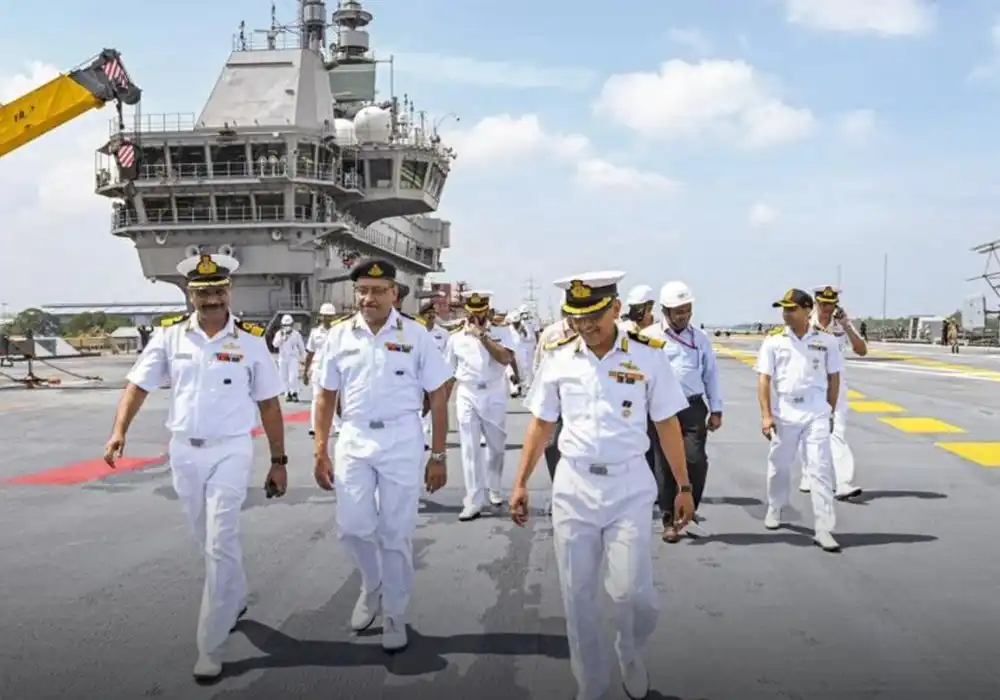
Navigating the complexities of global geopolitics and safeguarding national interests requires constant vigilance and strategic foresight, especially for a nation with an extensive coastline like India. The Indian Navy stands as a primary guardian of these vital maritime frontiers. To ensure its continued effectiveness and combat readiness, the senior leadership of the Indian Navy convenes periodically for critical deliberations. One such pivotal event is the bi-annual Commanders’ Conference, with its 2025 edition set to commence, signaling a crucial moment for India’s defence planning. For aspirants preparing for competitive examinations such as UPSC, SSC, PSC, NID, NIFT, and other government sector roles, understanding the significance and outcomes of such high-level defence meetings is paramount for excelling in current affairs and general knowledge sections.
Understanding the Naval Command Gathering
What is the Indian Navy Commanders’ Conference?
The Indian Navy Commanders’ Conference is a high-level strategic conclave, typically held twice a year, bringing together the top echelons of the Navy. It serves as the apex forum for the Chiefs of all Naval Commands, Principal Staff Officers, and other senior officials to collectively assess the prevailing maritime security environment, review ongoing operations, and formulate future strategies. This gathering is essential for ensuring unified command, control, and coordination across the entire naval fleet and its diverse components. It’s a platform where challenges are discussed, successes are analyzed, and the roadmap for India’s maritime defence is meticulously charted.
Where and When Does It Take Place?
The second edition of the Indian Navy’s Commanders’ Conference for 2025 is scheduled to begin in New Delhi. Over three intensive days, the nation’s capital becomes the focal point for naval strategic discussions. The choice of New Delhi underscores the conference’s direct linkage with the broader national security framework, facilitating direct interactions with the highest levels of government and defence ministry officials.
Strategic Imperatives: Why This Conference is Pivotal
Why is the 2025 Conference Particularly Significant?
This particular conference assumes heightened importance given the dynamic and often unpredictable nature of the global maritime landscape. The discussions are set against a backdrop of the Navy’s consistently high operational tempo and its unwavering commitment to combat preparedness. References to significant naval activities, such as ‘Operation Sindoor’ and similar large-scale operational engagements, highlight the real-world scenarios and challenges that naval commanders constantly face. These operations necessitate continuous review of tactics, resource deployment, and strategic adjustments to effectively counter evolving threats and protect India’s economic and strategic interests in the Indo-Pacific region and beyond. It’s an opportunity to fine-tune strategies that impact everything from anti-piracy operations to ensuring freedom of navigation.
Who Participates in These Critical Discussions?
The conference is addressed by key figures who play instrumental roles in India’s defence and national security apparatus. These include the Honourable Defence Minister, Rajnath Singh, and the Cabinet Secretary. Their presence signifies the gravity of the discussions and provides an opportunity for direct interface between the naval leadership and the highest levels of political and administrative decision-making. Such interactions ensure that naval strategies are aligned with national security objectives and that the Navy receives the necessary support and resources to fulfill its mandate. The collective wisdom of the Naval Commanders, combined with insights from the civilian leadership, forms the bedrock of India’s future maritime policy.
Shaping India’s Maritime Future
How Does This Conference Influence India’s Defence Strategy?
The outcomes of the Commanders’ Conference directly shape India’s defence strategy by guiding policy formulation, operational planning, and resource allocation for the Navy. Discussions cover a wide spectrum, including technological advancements in naval warfare, indigenous defence production, strategic partnerships with other nations, human resource development within the Navy, and the optimal deployment of assets. It’s here that decisions are made regarding the induction of new warships, submarines, and aircraft, alongside the evolution of training methodologies and strategic doctrines. The conference ensures that the Indian Navy remains agile, modern, and capable of addressing future security challenges, thereby contributing significantly to India’s geopolitical standing and its role as a net security provider in the Indian Ocean region.
Your Edge in Competitive Exams: Connecting Current Affairs to Success
For aspirants of UPSC, SSC, PSC, NID, NIFT, and other government exams, an in-depth understanding of events like the Indian Navy Commanders’ Conference is indispensable. It’s not just about memorizing dates and names; it’s about comprehending the ‘why’ and ‘how’ behind national policy and strategic decisions. These conferences reflect the nation’s priorities in defence, external affairs, and internal security. By following these developments, you gain crucial insights into topics related to national security, international relations, governance, and current affairs – all vital components of competitive examinations. Myentrance.in aims to equip you with such detailed, relevant information, presented in a clear and concise manner, to give you that competitive edge.
Frequently Asked Questions (FAQs)
1. What is the primary purpose of the Indian Navy Commanders’ Conference?
The primary purpose of the Indian Navy Commanders’ Conference is to conduct a comprehensive review of the prevailing maritime security situation, assess the operational readiness of the Indian Navy, and collectively strategize on future policy directions, resource allocation, and operational plans. It’s a vital forum for top naval leadership to ensure effective coordination and adaptation to evolving challenges.
2. Why is the 2025 edition of this conference considered particularly significant?
The 2025 conference holds particular significance due to the current high operational tempo of the Indian Navy and the complex maritime security landscape, influenced by events and operations like ‘Operation Sindoor’. It’s a crucial meeting to address ongoing challenges, reinforce combat preparedness, and adapt strategies to the dynamic geopolitical environment affecting India’s maritime interests.
3. Who are the key government officials expected to address the Naval Commanders at the conference?
During the conference, senior government officials, including the Honourable Defence Minister, Rajnath Singh, and the Cabinet Secretary, are expected to address the Naval Commanders. Their participation underscores the direct link between naval strategy and overarching national security policies, providing crucial governmental guidance and oversight.
4. How do the discussions at this conference contribute to India’s overall national security?
Discussions at the Commanders’ Conference directly contribute to India’s national security by shaping the strategic direction of the Navy, influencing defence policy, technological acquisitions, and deployment strategies. The outcomes ensure that the Indian Navy is well-equipped and strategically aligned to protect India’s maritime borders, trade routes, and geopolitical interests, thereby safeguarding national security.
5. How is knowledge about events like the Commanders’ Conference beneficial for competitive exam aspirants?
Understanding the Indian Navy Commanders’ Conference is highly beneficial for competitive exam aspirants as it provides critical insights into current affairs, national security, defence policy, and international relations. This knowledge helps candidates excel in General Knowledge and Current Affairs sections of exams like UPSC, SSC, and PSC, demonstrating an informed perspective on vital national issues.





