
Every day, headlines present us with a wealth of information – some seemingly mundane, others critical. For aspirants preparing for demanding competitive examinations like UPSC, SSC, PSC, NID, NIFT, and other government roles, understanding how to extract educational value from these daily updates is paramount. What might appear as a simple weather report or an environmental concern can actually be a crucial pointer to potential questions in your General Knowledge, Current Affairs, Geography, and Environmental Studies sections. Let’s delve into how recent environmental and weather developments offer a unique lens for exam preparation.
Decoding Current Environmental Narratives for Exam Readiness
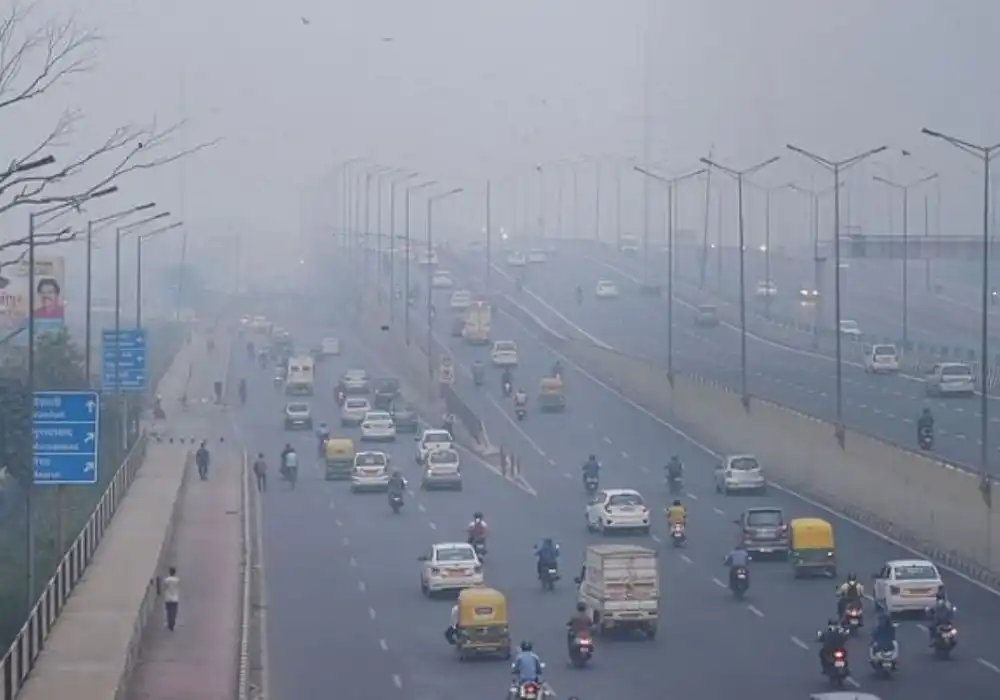
Currently, India faces a dual environmental challenge: persistent air quality concerns in metropolitan areas like Delhi and significant weather fluctuations across various regions. The India Meteorological Department (IMD) regularly issues advisories, detailing forecasts ranging from air quality indices to heavy rainfall warnings. These aren’t just news items; they are live case studies for your exams. For instance, a “Very Poor” Air Quality Index (AQI) in Delhi instantly signals the need to review topics like air pollution causes, types of pollutants (PM2.5, PM10, NOx, SOx), their health impacts, government initiatives to combat pollution (like GRAP, NCAP), and international protocols. Similarly, forecasts of heavy to very heavy rainfall over specific regions such as Tamil Nadu, Puducherry, Karaikal, Andhra Pradesh, Karnataka, Kerala, Mahe, Lakshadweep, and the Andaman and Nicobar Islands, directly prompt a review of regional geography, monsoon patterns, cyclonic circulations, disaster management policies, and the role of bodies like the IMD.
The Significance of the Air Quality Index (AQI)
What is AQI? The Air Quality Index is a tool used by government agencies to communicate to the public how polluted the air currently is or how polluted it is forecast to become. It tells you about any associated health effects that might concern you. Understanding its categories (Good, Satisfactory, Moderate, Poor, Very Poor, Severe) and the primary pollutants it measures is crucial for environmental science and current affairs sections.
Why does it matter for exams? Questions can be framed around the components of AQI, the health implications of different pollutant levels, the sources of these pollutants (vehicular emissions, industrial pollution, stubble burning, dust), and the policy responses implemented by the government to mitigate them. This forms a significant part of your Static GK and dynamic Current Affairs preparation for any exam that includes environmental topics.
Understanding India’s Weather Dynamics: The IMD and Geographical Insights
What does the IMD do? The India Meteorological Department is the principal agency responsible for meteorological observations, weather forecasting, and seismology in India. Its role extends to providing vital information for agriculture, aviation, disaster management, and public safety. Knowing its mandate, structure, and key services is a staple for General Studies papers.
How do weather forecasts link to exams? When IMD forecasts heavy rainfall in particular regions, it’s an invitation to refresh your geographical knowledge.
* Where are these regions located? Can you pinpoint Tamil Nadu, Puducherry, Karaikal, and other mentioned states/union territories on a map? What are their unique geographical features?
* Why do these regions experience such weather? This leads to discussions on post-monsoon or North-East Monsoon rainfall, tropical depressions, or localized cyclonic circulations, all fundamental concepts in physical geography.
* What are the impacts? This covers disaster management (floods, landslides), agricultural implications, and economic consequences, tying into current affairs and governance. For instance, NID and NIFT aspirants might consider the social and design implications of such environmental conditions.
Your Strategic Approach to Exam Preparation
For aspirants, integrating these daily observations into a structured study plan is key.
* Daily News Quiz: Regularly participating in daily news quizzes, like those offered on myentrance.in, will help you test your retention of such current events and their underlying concepts.
* Current Affairs Focus: Pay attention to the “why” behind every piece of news. Why is Delhi’s air quality poor? Why is it raining heavily in the South?
* Static General Knowledge Linkages: Connect these current events to your static GK syllabus. Poor AQI leads to environment protection acts and bodies. Rainfall forecasts lead to geographical features, river systems, and climate types.
* Interactive Examinations: Utilize interactive examination tools to practice questions that combine current affairs with static GK. For example, a question might present a recent weather event and ask about the governmental agency responsible for its prediction, or the geographical reason behind it.
* Examination Tips: Develop a habit of mapping current events to your syllabus. If an environmental crisis is reported, immediately think: “Which part of my syllabus does this relate to? What are the relevant government policies or international agreements?”
By actively engaging with these topics, you transform passive news consumption into an active learning process, building a robust foundation for success in any competitive exam.
Frequently Asked Questions (FAQs)
1. Q: What is the primary purpose of the Air Quality Index (AQI) and how is it relevant for competitive exams?
A: The AQI is a tool to communicate air quality status to the public, indicating pollution levels and associated health risks. For competitive exams, it’s relevant for Current Affairs, Environmental Studies, and Static GK, where questions can cover its components, categories, major pollutants (like PM2.5, PM10), health impacts, and government policies implemented to improve air quality.
2. Q: Which government agency is primarily responsible for weather forecasting in India, and why is knowing about it important for exam aspirants?
A: The India Meteorological Department (IMD) is the primary agency. Understanding IMD’s role is crucial for exams as it covers topics like institutional bodies, their mandates, functions, and contributions to disaster management, agriculture, and public safety, often appearing in General Studies and Current Affairs sections.
3. Q: How can a news report about heavy rainfall in specific South Indian states be linked to preparation for exams like UPSC or SSC?
A: Such reports are vital for Geography, Current Affairs, and Disaster Management sections. They prompt aspirants to study regional geography, monsoon patterns (e.g., Northeast Monsoon), cyclonic formations, river systems, and the impact of extreme weather events, alongside government strategies for flood control and relief operations.
4. Q: What kind of Static General Knowledge (GK) questions can arise from current environmental issues like air pollution or extreme weather events?
A: Static GK questions can include topics like the National Clean Air Programme (NCAP), different types of atmospheric pollutants and their sources, environmental protection acts, international conventions related to climate change, geographical features causing specific weather patterns, and the location of major rivers or mountain ranges in affected regions.
5. Q: Beyond memorizing facts, what is the best strategy for competitive exam aspirants to utilize daily news updates on weather and environment effectively?
A: The best strategy involves connecting the “what” of the news to the “why” and “how.” Understand the underlying scientific or geographical principles, identify related government policies and institutions, analyze the socio-economic impacts, and practice framing potential exam questions. This approach helps build a comprehensive understanding, linking current affairs to the static syllabus and enhancing analytical skills.





