
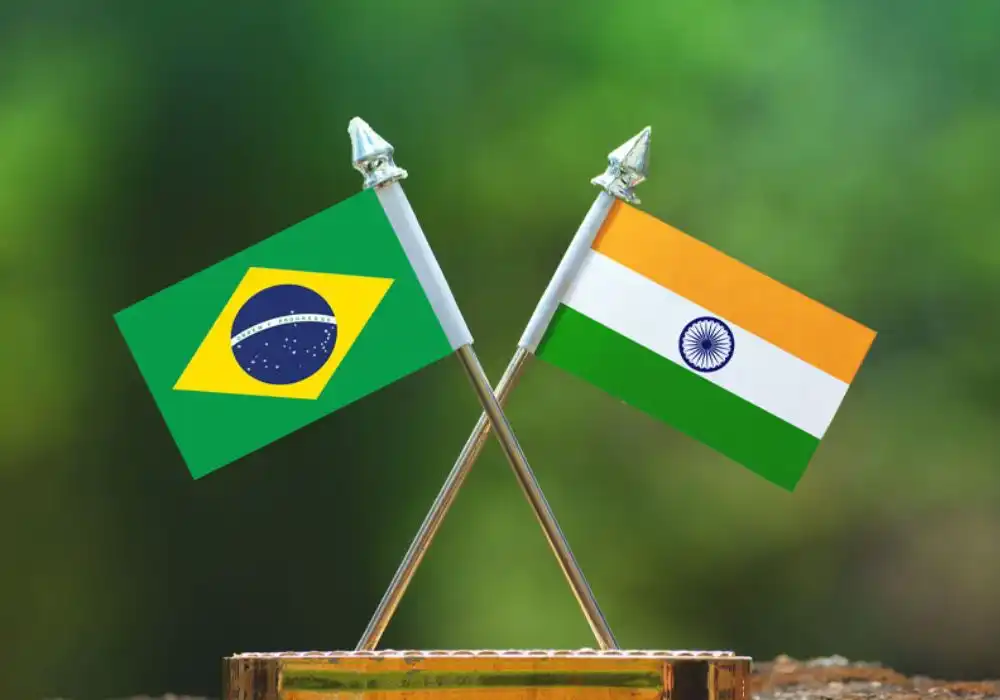
The landscape of international relations is constantly evolving, presenting new opportunities and challenges that profoundly impact global politics, economics, and technology. For students meticulously preparing for competitive examinations like UPSC, SSC, PSC, NID, NIFT, and other government roles, understanding these shifts is not merely academic but a crucial aspect of mastering current affairs and general knowledge. A recent development of significant import is the announcement by Brazilian President Luiz Inacio Lula da Silva regarding a strategic alliance with India, signaling a deepened commitment to fostering cooperation across various crucial sectors. This move isn’t just a headline; it’s a testament to the growing influence of emerging economies and a potential blueprint for South-South cooperation.
Why This Alliance Matters: A Strategic Nexus
At its core, this strategic alliance between India and Brazil is driven by a convergence of shared interests and a mutual recognition of their burgeoning global roles. Both nations are prominent members of the BRICS bloc and major players in the Global South, advocating for a more multipolar world order. The ‘why’ behind this intensified partnership stems from several key factors. Economically, both countries seek to diversify their trade portfolios, reduce reliance on traditional markets, and explore new avenues for growth and investment. Technologically, there’s a strong desire to collaborate on cutting-edge innovations, from digital infrastructure and space exploration to biotechnology and clean energy solutions, fostering self-reliance and shared advancement. Politically, the alliance aims to strengthen their collective voice on international platforms, addressing global issues such as climate change, sustainable development, and global governance reform with greater unity and impact. The recent visit by Brazilian Vice President Geraldo Alckmin to India undoubtedly laid significant groundwork, highlighting the tangible commitment from both sides to elevate their bilateral ties.
What This Partnership Entails: Pillars of Cooperation
This strategic alliance is designed to encompass a broad spectrum of collaboration, moving beyond traditional trade to a more holistic partnership. The ‘what’ involves a multi-faceted approach focusing on political, economic, and technological cooperation. On the economic front, we can anticipate efforts to boost bilateral trade volumes, encourage cross-border investments, and explore joint ventures in sectors like agriculture, pharmaceuticals, and infrastructure development. Technologically, the focus will likely be on knowledge exchange, joint research and development initiatives, and technology transfer, particularly in areas where both countries hold expertise or have significant needs. This includes collaborative projects in areas like renewable energy, digital public infrastructure, and even defense manufacturing. Politically, the alliance will likely manifest in closer coordination at multilateral forums like the United Nations, G20, and BRICS, allowing both nations to present a united front on issues of global importance, thereby enhancing their diplomatic leverage.
How This Alliance Will Progress: Pathways to Implementation
The implementation of such an ambitious alliance requires dedicated effort and structured mechanisms. The ‘how’ involves a series of high-level dialogues, bilateral agreements, and the establishment of joint working groups focused on specific areas. Expect to see regular exchanges between government officials, business leaders, and academic institutions to identify opportunities and streamline processes. Trade agreements might be reviewed or expanded, investment promotion agencies will likely play a more active role, and scientific communities will be encouraged to collaborate on joint research projects. For instance, cooperation in space technology could lead to shared satellite launches or data exchange for earth observation, while collaboration in clean energy might involve joint ventures in ethanol production or solar energy deployment. This concerted effort across various levels will be crucial in translating strategic intent into concrete outcomes, solidifying the framework for a robust and enduring partnership.
Relevance for Your Exams: A Current Affairs Spotlight
For aspirants preparing for any government examination, this India-Brazil strategic alliance is a prime example of a critical current affairs topic that integrates international relations, economics, technology, and global governance. Questions might arise in your daily news quiz, static general knowledge, or main examination papers regarding the motivations behind such alliances, the specific areas of cooperation, the key figures involved, or the broader implications for the Global South. Understanding the context of South-South cooperation, the significance of BRICS, and the foreign policy objectives of both nations will provide a comprehensive advantage. This news underscores the interconnectedness of the world and how geopolitical shifts directly influence economic prospects and technological advancements, all of which are vital components of your exam syllabus.
Frequently Asked Questions (FAQs)
1. What is the primary objective of the newly announced strategic alliance between India and Brazil?
The main goal of this alliance is to strengthen political, economic, and technological cooperation between India and Brazil, fostering mutual growth, diversifying partnerships, and enhancing their collective voice on the global stage, especially within the context of the Global South.
2. Which key areas are expected to be the focus of this deepened partnership?
The partnership is set to focus broadly on economic collaboration (trade, investment, joint ventures), technological exchange (digital innovation, space, clean energy, biotechnology), and political coordination at various international forums.
3. Who officially announced Brazil’s intention to form this strategic alliance with India?
Brazilian President Luiz Inacio Lula da Silva formally announced the plans for this strategic alliance following a significant visit by Brazil’s Vice President, Geraldo Alckmin, to India.
4. How does this India-Brazil alliance benefit students preparing for competitive government exams?
This alliance is a crucial current affairs topic, offering insights into international relations, global economics, and technological advancements. It provides material for questions in daily news quizzes, general knowledge sections, and analytical papers, particularly for UPSC, SSC, and PSC examinations.
5. What is the broader significance of “South-South Cooperation” in the context of this alliance?
South-South Cooperation refers to the exchange of resources, technology, and knowledge between developing countries, also known as countries of the Global South. This alliance exemplifies such cooperation, aiming to reduce reliance on developed nations, build collective self-reliance, and foster a more equitable and multipolar world order.





