
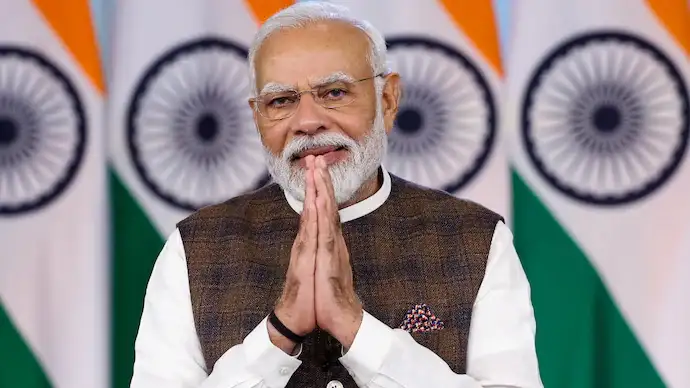
Every national address, every significant message from a leader, carries layers of meaning – not just for the general public, but especially for aspirants aiming for prestigious government positions through examinations like UPSC, SSC, PSC, NID, NIFT, and other competitive tests. While Prime Minister Narendra Modi’s heartfelt Diwali greetings, wishing for harmony, happiness, prosperity, and positivity across the nation, might seem like a simple seasonal message, astute exam preparers at myentrance.in understand its deeper implications for current affairs, static general knowledge, and even essay-writing practice.
The Significance of National Greetings: A Current Affairs Perspective
When the Prime Minister extends greetings on a major festival like Diwali, it’s more than a mere formality; it’s a strategic communication from the highest office. Such messages underscore the cultural fabric of India, foster national unity, and reflect the government’s emphasis on societal well-being. For your competitive exams, understanding *what* was said (the core message of harmony, happiness, prosperity, and positivity), *when* it was said (on the occasion of Diwali), and *how* it was conveyed (through social media) are all critical current affairs points. This information can appear in daily news quizzes, direct questions about national events, or even serve as an introductory point in descriptive answers. It demonstrates the government’s approach to public engagement and highlights important national holidays.
Diwali: A Static GK Deep Dive for Aspirants
Beyond its immediate relevance as a current event, the mention of Diwali by the Prime Minister opens up avenues for static general knowledge questions. *Why* is Diwali celebrated? What are its historical, mythological, and cultural significances? Known as the “festival of lights,” Diwali symbolizes the triumph of light over darkness, good over evil, and knowledge over ignorance. Questions on its regional variations, associated rituals, or even its pan-Indian importance can frequently feature in the static GK section of various exams. A strong foundation in such cultural aspects, triggered by seemingly simple news, is indispensable for comprehensive preparation. Myentrance.in provides interactive examinations and detailed answers to help you master these nuances.
Leadership Communication and Polity Implications
The medium through which the Prime Minister’s message is delivered, often social media, is also noteworthy. This highlights the evolving landscape of political communication and governance. Aspirants should reflect on *how* modern leaders leverage digital platforms for direct outreach, and *where* such messages fit into the broader framework of public administration and parliamentary conduct. This understanding can be crucial for questions in Polity, Governance, and even for analyzing case studies in papers like UPSC Mains General Studies II. The repeated emphasis on themes like “harmony” and “positivity” also resonates with constitutional values and the spirit of national integration, making it relevant for ethics and essay topics.
Leveraging Such News for Exam Success: An Expert’s Tip
For dedicated students, every piece of news, no matter how brief, holds potential for exam preparation. Don’t just read the headline; delve into its context. Ask yourself:
* What current affair facts can I extract?
* What static GK topics does it relate to?
* How does it connect to broader themes like governance, culture, or societal values?
* Why is this message important from a national perspective?
* Where can I find more information or practice questions on this topic (e.g., on myentrance.in’s daily news quiz or interactive examinations)?
By adopting this holistic approach, simple news of national greetings transforms into a valuable learning opportunity, enhancing your grasp of current affairs, strengthening your static general knowledge, and sharpening your analytical skills, all critical for acing competitive exams.
Frequently Asked Questions (FAQs)
1. Why are messages like the Prime Minister’s Diwali greetings considered important for competitive exams?
Such messages are vital for competitive exams as they fall under current affairs, reflecting national events, cultural significance, and government communication strategies. They can be direct questions in daily news quizzes, part of static GK questions about festivals, or even inform essay topics on national unity and societal values, testing an aspirant’s awareness and analytical skills.
2. What specific aspects of Diwali should I focus on for Static General Knowledge (GK) questions?
For Static GK, focus on the mythological origins of Diwali (e.g., return of Lord Rama to Ayodhya, victory of good over evil), its pan-Indian significance, associated deities (Lakshmi, Ganesha), different regional names, and common rituals. Understanding its symbolism as the “festival of lights” and its core themes of prosperity and happiness is also key.
3. How can I use the theme of “harmony, happiness, prosperity, and positivity” from the message in my exam preparation?
These themes are excellent for essay writing, especially in UPSC Mains, where you might be asked to elaborate on national integration, societal well-being, or India’s cultural values. You can use these keywords to demonstrate your understanding of national ethos and governmental aspirations. They are also relevant for ethics papers and general awareness sections that test understanding of core societal principles.
4. Which specific competitive exams frequently feature questions related to national festivals and important government messages?
Almost all major competitive exams, including UPSC Civil Services Exam (Prelims & Mains), SSC CGL, CHSL, MTS, various PSC exams, and other government recruitment tests (like IBPS, Railway exams), feature questions on current affairs, national events, and Indian culture. NID and NIFT aspirants might find relevance in cultural contexts for design-based questions or general awareness sections.
5. Where can I find interactive examinations and quizzes based on such current affairs and Static GK topics?
You can find comprehensive interactive examinations, daily news quizzes, and detailed answers related to current affairs, static general knowledge, and exam tips directly on myentrance.in. We regularly update our content to cover all relevant national and international events, ensuring you have the most pertinent practice material for your competitive exam preparation.





