
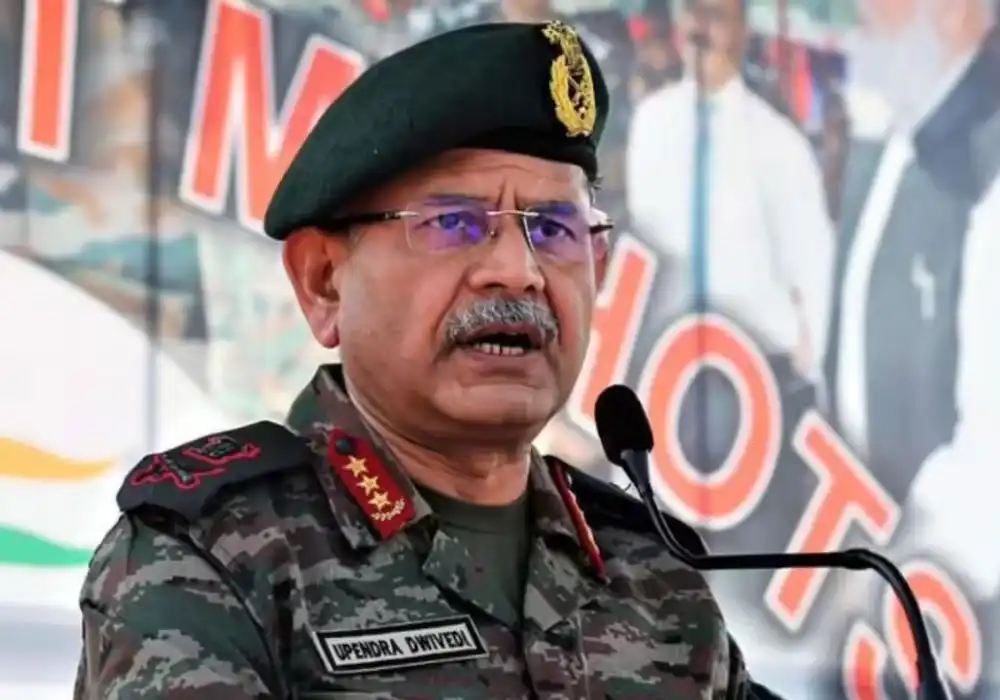
The landscape of national security is ever-evolving, and understanding India’s strategic posture is not just vital for national interest, but also a recurring and crucial topic for aspirants preparing for prestigious competitive examinations like UPSC, SSC, PSC, NID, NIFT, and other government sector roles. Recently, the Indian Army Chief, General Upendra Dwivedi, underscored India’s unwavering readiness amidst various security challenges, a statement that resonates deeply with our national commitment to peace and sovereignty. For a diligent exam preparation, comprehending the nuances of such declarations is paramount.
Why General Dwivedi’s Statement Matters: The Core of National Security
At its heart, General Dwivedi’s reaffirmation of readiness serves as a potent message of assurance to the nation and a clear signal to any potential adversaries. It highlights India’s proactive stance in safeguarding its territorial integrity and national interests in a complex global environment. This isn’t merely a casual remark; it’s a strategic communication from the highest echelons of the military, reflecting comprehensive assessments of both internal and external security threats. For exam aspirants, this statement is a trigger to delve into topics like geopolitical dynamics, border management, internal security doctrines, and defense modernization – all of which frequently appear in current affairs and general knowledge sections.
What Constitutes India’s Readiness: A Multi-faceted Approach
When the Army Chief speaks of “readiness,” it encompasses a broad spectrum of capabilities and strategies. Firstly, it refers to the high operational tempo and combat readiness of our troops deployed across challenging terrains, from the high altitudes of the Himalayas to the deserts and plains. Secondly, it includes the sophisticated intelligence gathering and analysis mechanisms that enable timely threat assessment. Thirdly, it highlights the continuous modernization of defense equipment, including advanced weaponry, surveillance systems, and communication networks, ensuring our forces are equipped with cutting-edge technology. Finally, readiness also implies robust logistical support and the ability to rapidly mobilize resources to any potential flashpoint. Understanding these components provides a holistic view of India’s defense preparedness, a key area for current affairs questions.
Where India Faces Challenges and Demonstrates Preparedness
India’s geographical location places it at the crossroads of diverse security challenges. Along its northern borders, the Line of Actual Control (LAC) presents complex geopolitical dynamics, requiring constant vigilance and a robust military presence. To the west, cross-border infiltration and terrorism remain persistent threats, demanding agile and effective counter-insurgency operations. Internally, challenges like Naxalism, regional insurgencies, and cyber threats also fall under the purview of national security, where the Army plays a supportive role to civil administration. General Dwivedi’s statement reaffirms that the Indian Army is prepared to tackle these multifaceted threats across all geographical and operational domains, showcasing an adaptive and resilient defense structure vital for UPSC Mains (Internal Security) and other descriptive exams.
When Readiness Becomes Critical: Strategic Timelines and Responses
The concept of readiness is not static; it is a continuous process of training, evaluation, and adaptation. Military readiness is particularly critical during periods of heightened geopolitical tensions, natural calamities where armed forces provide aid, or during strategic shifts in the region. The Indian Army consistently conducts drills, exercises, and strategic planning sessions to ensure its forces are always prepared for contingencies, whether it’s a sudden border escalation or a rapid humanitarian response. This continuous cycle of preparation and vigilance ensures that India can respond effectively and decisively whenever its security is challenged, a concept often explored in analytical questions regarding India’s foreign policy and defense strategy.
How India Maintains its Edge: Innovation, Training, and Diplomacy
Maintaining a high state of readiness involves a combination of strategies. Technology plays a pivotal role, with continuous investment in indigenous defense manufacturing and integration of AI, drone technology, and cyber capabilities. Rigorous and realistic training programs ensure that soldiers are physically fit, mentally resilient, and proficient in modern warfare techniques. Furthermore, India’s defense posture is complemented by astute diplomacy, aiming to de-escalate tensions and build strategic partnerships. This balanced approach of strong defense capabilities coupled with diplomatic engagement is what enables India to effectively navigate its security landscape, offering a rich area for general awareness questions on India’s strategic autonomy and defense partnerships.
Frequently Asked Questions (FAQs)
1. Who is the current Chief of the Army Staff of India?
General Upendra Dwivedi is the current Chief of the Army Staff of India, having assumed the office on June 30, 2024. His role is pivotal in leading the Indian Army and shaping its operational and strategic policies.
2. What are the primary types of security challenges India currently faces?
India faces a range of security challenges including border disputes, cross-border terrorism, internal insurgencies (like Naxalism), cyber warfare threats, and geopolitical complexities in the Indo-Pacific region.
3. How does the Indian Army maintain its operational readiness?
The Indian Army maintains operational readiness through continuous training exercises, modernization of equipment and technology, robust intelligence gathering, strategic deployment of forces, and a strong emphasis on soldier welfare and morale.
4. Why is understanding India’s defense preparedness important for competitive exams?
Knowledge of India’s defense preparedness is crucial for competitive exams because it falls under key sections like Current Affairs, General Knowledge, National Security (UPSC Mains), and sometimes even forms the basis for essay topics or interview questions, assessing an aspirant’s awareness of national issues.
5. What is the significance of the “Line of Actual Control” (LAC) in India’s security context?
The Line of Actual Control (LAC) is the de facto boundary between India and China. Its significance lies in the ongoing border dispute and the need for constant military vigilance and strategic deployment to prevent incursions and maintain peace along this sensitive frontier.





