
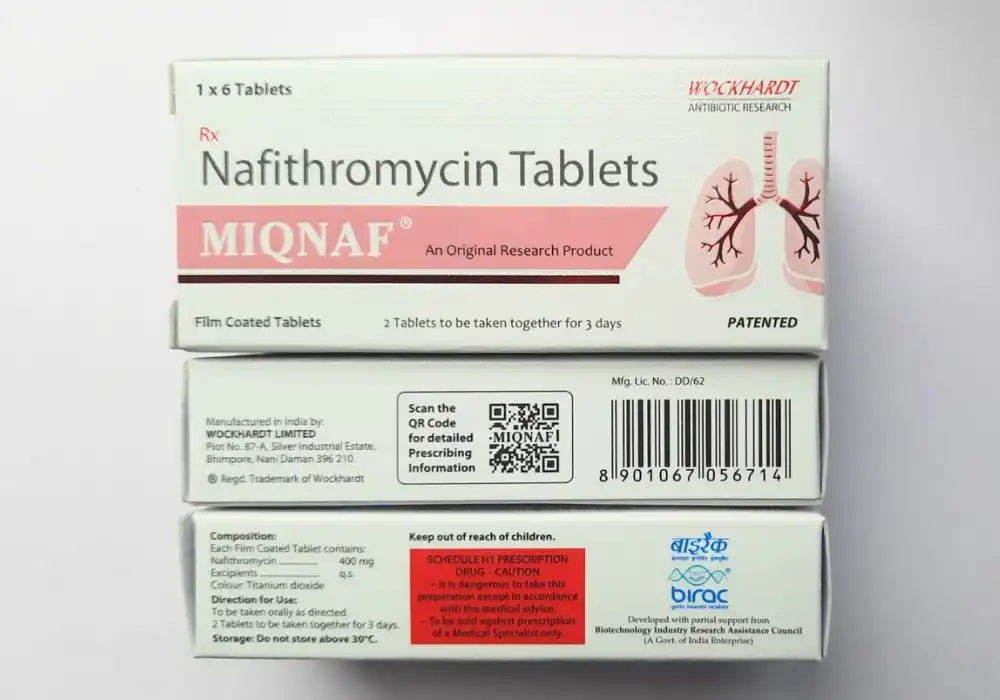
Get ready to dive deep into a monumental achievement in India’s scientific journey! Union Science and Technology Minister Dr. Jitendra Singh recently unveiled Nafithromycin, India’s very first indigenously developed antibiotic. This isn’t just a medical breakthrough; it’s a pivotal moment in our nation’s quest for self-reliance and a critical piece of current affairs knowledge for every aspiring candidate tackling competitive exams like UPSC, SSC, various PSCs, NID, NIFT, and other government recruitment tests. Understanding the ‘why,’ ‘what,’ ‘where,’ ‘when,’ and ‘how’ of such developments is key to acing your general awareness sections.
Unveiling Nafithromycin: India’s Own Shield Against Infections
What is it? Nafithromycin represents a groundbreaking step in medical science within India. It is a new antibiotic, entirely discovered and developed within the country, signifying a major stride in our domestic research and development capabilities. Its primary function is to combat resistant respiratory infections, which have become an increasing challenge in global healthcare.
Why is it important? The emergence of antibiotic-resistant bacteria is a grave concern worldwide. Existing antibiotics sometimes fail against these ‘superbugs,’ leaving patients vulnerable. Nafithromycin offers a new line of defense, specifically effective where other treatments might not work. This is particularly crucial for vulnerable populations, such as cancer patients and individuals with compromised immune systems, for whom a simple respiratory infection can quickly become life-threatening. This innovative drug provides them with a much-needed ray of hope and an effective treatment option.
Why This Indigenous Breakthrough Matters for India’s Future
The development of Nafithromycin is far more than just a new medicine; it embodies several significant national objectives and achievements:
Boosting Self-Reliance (Atmanirbhar Bharat): This achievement is a strong testament to India’s growing prowess in the pharmaceutical and biotechnology sectors. It showcases our nation’s ability to not only manufacture drugs but also to innovate and discover them from scratch. This reduces our dependency on foreign countries for critical medicines and strengthens our domestic capabilities, aligning perfectly with the ‘Atmanirbhar Bharat’ vision.
Elevating India’s Global Standing: For decades, India has been known as the ‘pharmacy of the world’ due to its robust generic drug manufacturing. However, discovering an entirely new antibiotic elevates our status from a manufacturer to a global leader in drug innovation and research. This positions India as a significant contributor to global health solutions and a hub for advanced scientific research.
Addressing a Critical Health Challenge: Antibiotic resistance is a silent pandemic. Having an indigenous drug that can effectively tackle resistant respiratory infections means better public health outcomes for millions. It equips our healthcare system with powerful new tools to combat a growing threat, ensuring better patient care and reduced mortality rates from stubborn infections.
Fostering Domestic R&D and Economic Growth: This success encourages further investment in research and development within India. It creates opportunities for scientists, researchers, and pharmaceutical companies, leading to job creation and economic growth in high-tech sectors. Such breakthroughs inspire future generations to pursue careers in science and contribute to national progress.
The Minds Behind the Mission and Its Broader Context
The announcement by Union Science and Technology Minister Dr. Jitendra Singh underscores the government’s commitment to fostering a robust scientific ecosystem. Such innovations are not accidental; they are the result of sustained efforts, dedicated research, significant investments in scientific infrastructure, and collaborative work between various institutions and experts over years. It reflects a strategic national push towards excellence in crucial sectors like health and technology, demonstrating how targeted policy and support can yield monumental results.
Your Exam Edge: How Nafithromycin Fits into Competitive Preparation
For aspirants preparing for competitive examinations, understanding the significance of Nafithromycin is non-negotiable. This topic is a goldmine for various sections:
Current Affairs & Daily News Quiz: This is a prime example of a ‘latest development’ that frequently appears in daily news quizzes and current affairs sections of all government exams, including UPSC, SSC, and state PSCs. Questions might ask about the drug’s name, its purpose, or the minister who announced it.
Science & Technology: For UPSC CSE General Studies Paper III and other exams focusing on Science & Technology, Nafithromycin is directly relevant. It covers topics like indigenous technologies, health innovations, pharmaceutical advancements, and the fight against antibiotic resistance. You might face questions on the mechanisms of antibiotics, challenges in drug discovery, or government initiatives in R&D.
General Knowledge (Static & Dynamic): Knowing about national achievements in science, significant health breakthroughs, and key figures like the Union Science and Technology Minister are essential general knowledge facts. This information helps build a comprehensive understanding of India’s progress.
Government Schemes & Policies: The development ties into broader government initiatives like ‘Atmanirbhar Bharat’ and policies promoting scientific research and healthcare improvements. Understanding these linkages can help you answer analytical questions in mains examinations.
On myentrance.in, you’ll find this kind of crucial information integrated into our daily news quizzes, interactive mock examinations, and comprehensive current affairs sections, ensuring you’re always one step ahead. We break down complex topics into easy-to-understand segments, coupled with objective questions, to solidify your knowledge base. This innovation paves the way for further research and solidifies India’s position as a hub for scientific breakthroughs, especially in critical healthcare areas, making it a topic you simply cannot afford to overlook for your examination preparation.
Frequently Asked Questions (FAQs)
Q1: What is Nafithromycin?
A1: Nafithromycin is India’s first indigenously developed antibiotic, specifically designed to be effective against resistant respiratory infections. It marks a significant milestone in the nation’s pharmaceutical research capabilities.
Q2: Who officially announced the development of Nafithromycin?
A2: The development of Nafithromycin was announced by Union Science and Technology Minister Dr. Jitendra Singh, highlighting its importance as a national achievement.
Q3: Why is Nafithromycin considered a significant breakthrough for India?
A3: It is significant because it represents a major stride towards India’s self-reliance in the pharmaceutical and biotechnology sectors, showcasing our indigenous research and development capabilities and contributing to global health solutions.
Q4: Which specific patient groups are expected to benefit most from this new antibiotic?
A4: Nafithromycin is particularly beneficial for cancer patients and individuals with compromised immune systems, who are highly susceptible to severe and often resistant respiratory infections.
Q5: How is the development of Nafithromycin relevant for competitive exam aspirants?
A5: This development is a crucial current affairs topic, relevant for sections on Science & Technology, General Knowledge, and Government Initiatives in exams like UPSC, SSC, PSCs, and other government recruitment tests. It’s often featured in daily news quizzes and interactive examinations.





