
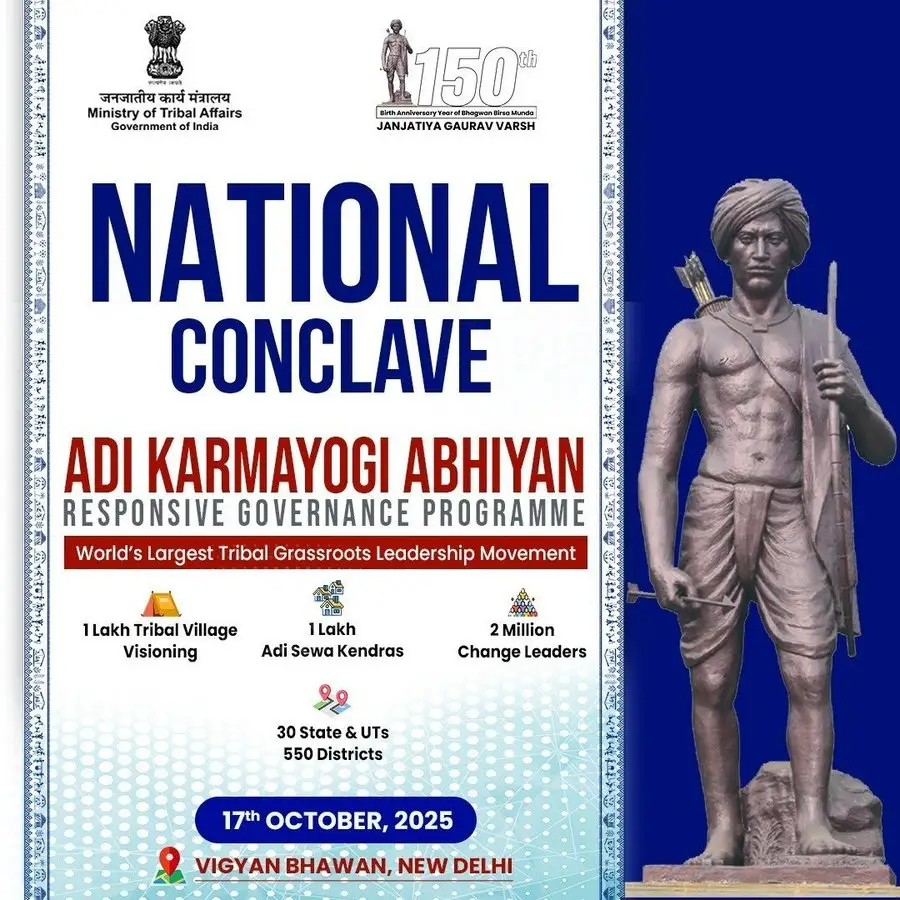
A Deep Dive into the National Adi Karmayogi Conclave
Recently, the nation turned its attention to a pivotal event in New Delhi, where President Droupadi Murmu graced the National Conclave on the Adi Karmayogi Abhiyan. This gathering wasn’t just another official meeting; it marked a significant step forward in India’s ongoing commitment to transform its civil services. For every aspiring candidate aiming for prestigious positions in UPSC, SSC, PSC, NID, NIFT, or other government examinations, understanding the essence and implications of such initiatives is paramount, as they often form the bedrock of current affairs and governance questions. Keeping abreast of these developments is not merely about staying informed, but about strategically preparing for the challenges of your competitive exams.
Understanding the Adi Karmayogi Vision: What It Truly Means
At its core, the Adi Karmayogi Abhiyan, often understood in the broader context of the far-reaching Mission Karmayogi, embodies a revolutionary approach to capacity building within the Indian civil services. The term “Karmayogi” itself suggests a dedicated worker, someone who performs their duty with diligence and detachment, focusing intently on the quality of their service to the nation. This comprehensive initiative aims to equip government functionaries, from entry-level to top-tier, with the right attitude, essential skills, and up-to-date knowledge to meet the dynamic challenges of the 21st century. It’s about moving from a traditional rule-based approach to a more agile, role-based methodology, fostering a vibrant culture of continuous learning and citizen-centric service delivery. The recent national conclave served as a crucial platform to deliberate on these foundational principles, ensuring that this grand vision translates into tangible and lasting improvements in public administration across all levels of governance.
Why This National Conclave Matters for India’s Future and Your Exams
The esteemed presence of the Head of State, President Droupadi Murmu, powerfully underscores the immense importance and national priority the government places on this transformative initiative. The National Conclave brought together a diverse group of policymakers, seasoned experts, and key stakeholders to thoroughly discuss implementation strategies, share invaluable best practices, and proactively address potential challenges in the rollout of the program. For the nation, this event signifies an unwavering commitment to fostering good governance, enhancing efficiency, and promoting transparency across all government functions. For you, the exam aspirant, this event provides invaluable and direct insights into key government reforms. Topics related to Mission Karmayogi frequently appear in the General Studies papers for the UPSC Civil Services Exam (especially GS-II on Governance, Constitution, Polity, Social Justice and International Relations), SSC CGL, and various State PSC examinations. It’s not simply about memorizing isolated facts; it’s about comprehending the deeper *why* behind such pivotal policies and their far-reaching potential impact on India’s administrative landscape.
Key Objectives: The ‘What’ and ‘How’ of Civil Service Transformation
The primary objective of initiatives like the Adi Karmayogi Abhiyan is to meticulously create a future-ready civil service, capable of adapting to evolving needs and delivering high-quality public services. This ambitious undertaking involves several critical facets:
* Skill Enhancement: This focuses on robustly training civil servants in emerging technologies, advanced data analytics, and crucial behavioral competencies, ensuring they remain relevant and effective.
* Performance Management: The establishment of a robust and transparent system for evaluating and continuously improving performance, moving decisively away from traditional and often static appraisal methods.
* Digital Learning: Effectively leveraging cutting-edge platforms like the Integrated Government Online Training (iGOT Karmayogi) to provide accessible, standardized, and high-quality training modules to all government employees, regardless of their location or designation.
* Citizen-Centric Approach: Instilling a deep-seated sense of public service and fostering greater responsiveness towards the diverse needs and expectations of citizens, making governance truly people-focused.
* Harmonized Training: Ensuring uniform and consistent standards of training across various government departments and ministries, thereby creating a cohesive and high-performing administrative machinery.
These clearly defined objectives directly influence the efficiency and effectiveness of public service delivery and contribute significantly to overall national development and progress. Understanding these strategic goals will empower you to articulate better and more insightful answers in descriptive examinations and to correctly identify the most appropriate options in challenging objective tests.
Impact on Governance and Your Role as a Future Administrator
A well-planned and successfully implemented Adi Karmayogi Abhiyan promises to bring about a paradigm shift in the realm of governance. Imagine a public service that is significantly more agile, demonstrably accountable, and perfectly aligned with critical national priorities. This transformation directly translates into improved public services for all citizens, faster and more informed decision-making processes, and a government machinery that is considerably more responsive and efficient. As a prospective civil servant, you will be an integral and active part of this dynamically transformed system. Your inherent ability to adapt, your commitment to continuous learning, and your unwavering dedication to upholding the highest principles of good governance will be absolutely crucial for your success and for the nation’s progress. Therefore, staying thoroughly updated on such pivotal initiatives isn’t just about successfully passing an exam; it’s profoundly about preparing yourself with diligence and foresight for the immense responsibilities you aspire to undertake in service of the country.
Frequently Asked Questions (FAQs):
Q1: What is the main purpose of the Adi Karmayogi Abhiyan (or Mission Karmayogi)?
A1: The primary purpose is to transform India’s civil services into a more creative, constructive, imaginative, innovative, proactive, professional, progressive, energetic, enabling, and transparent (C-C-C-I-P-P-E-E-T) government machinery. It focuses on comprehensive capacity building and fostering a distinctly citizen-centric approach to public service.
Q2: Who launched Mission Karmayogi, and when was it approved?
A2: Mission Karmayogi, officially known as the National Programme for Civil Services Capacity Building (NPCSCB), was approved by the Union Cabinet in September 2020. It is a government-wide initiative spearheaded by the Department of Personnel and Training (DoPT).
Q3: How does the iGOT Karmayogi platform contribute to this initiative?
A3: The iGOT (Integrated Government Online Training) Karmayogi platform is a cutting-edge digital learning platform specifically designed to deliver continuous online training to all government employees. This enables them to conveniently enhance their skills, competencies, and knowledge in a standardized, accessible, and efficient manner.
Q4: Why is understanding Mission Karmayogi important for competitive exams like UPSC and SSC?
A4: Mission Karmayogi is a significant and ongoing government reform initiative directly related to governance, public administration, and human resource development within the state. It is a critical current affairs topic that can frequently feature in General Studies papers, essay writing sections, and even personal interviews, effectively assessing a candidate’s awareness of crucial government policies and their broader implications.
Q5: What are the expected outcomes of the successful implementation of the Adi Karmayogi Abhiyan?
A5: Successful implementation is expected to lead to a significantly more efficient, transparent, and accountable civil service, resulting in improved public service delivery, enhanced citizen satisfaction, better and more effective policy implementation, and a more responsive governance system truly capable of meeting both evolving national and global challenges.





