
In an era where sustainable resource management is paramount, particularly in agriculture, understanding government initiatives becomes crucial, not just for policy impact but also for competitive examination success. India’s agricultural landscape, heavily reliant on water, constantly seeks innovative solutions to enhance efficiency and farmer welfare. One such pivotal scheme, the “Per Drop More Crop” (PDMC), has recently undergone significant enhancements, designed to revolutionize water management and boost farmer incomes. For aspirants preparing for UPSC, SSC, PSC, and other government examinations, grasping the nuances of this scheme is essential for scoring well in current affairs, Indian economy, agriculture, and general knowledge sections.
Decoding the “Per Drop More Crop” (PDMC) Scheme: A Cornerstone of Agricultural Development
The “Per Drop More Crop” (PDMC) scheme is a crucial component of the broader Pradhan Mantri Krishi Sinchayee Yojana (PMKSY), an overarching national program dedicated to expanding assured irrigation, reducing wastage of water, and improving water use efficiency. At its core, the PDMC scheme operates on a simple yet powerful philosophy: maximizing resource utilization, especially water, to achieve higher productivity from the same land area.
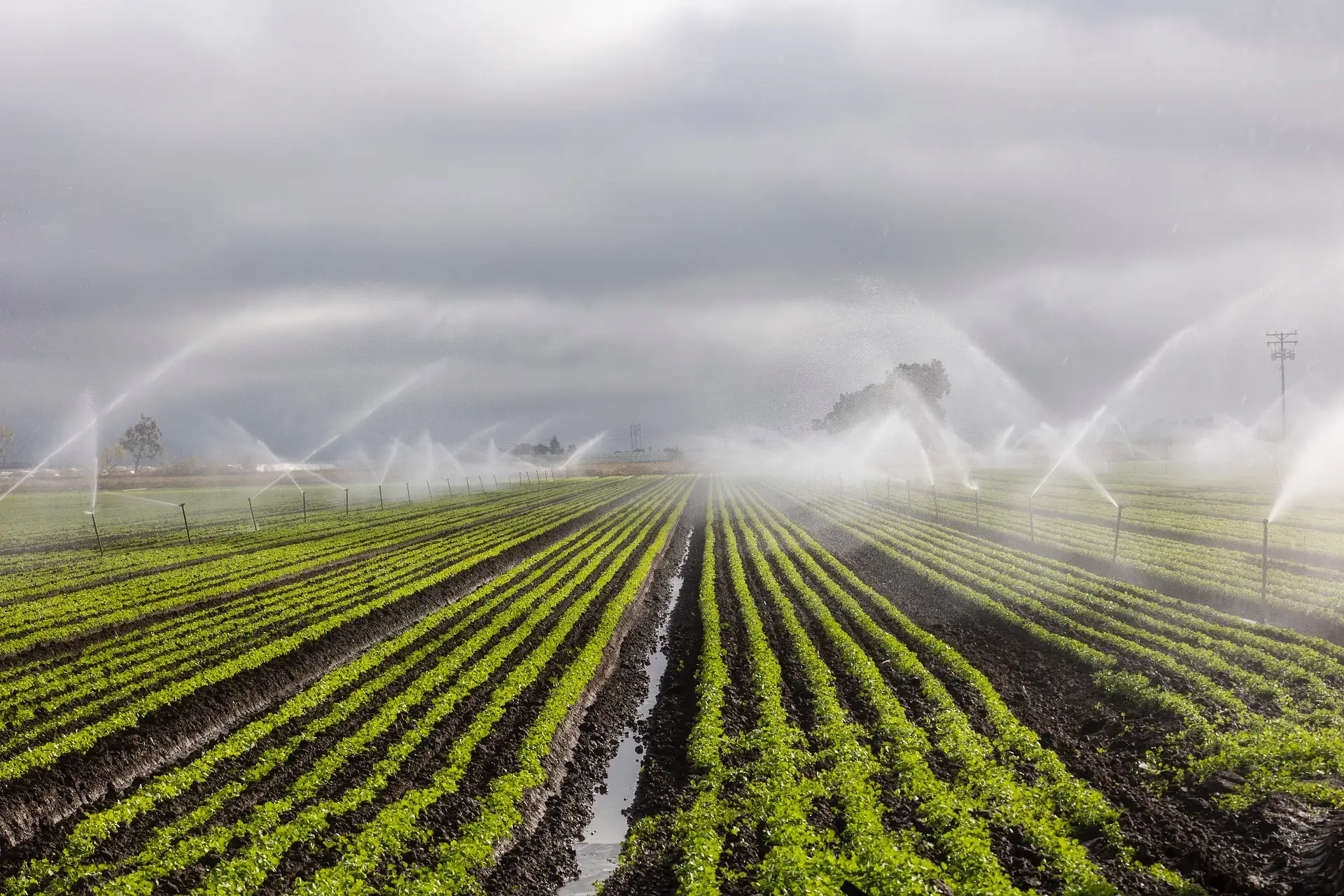
The primary objective behind its launch was to address the twin challenges of water scarcity and low agricultural productivity. By promoting scientific and efficient irrigation methods, particularly micro-irrigation techniques like drip and sprinkler systems, the scheme aims to ensure that every drop of water contributes meaningfully to crop growth. This directly translates into enhanced agricultural output and, consequently, improved financial stability for farmers. The entire initiative falls under the direct purview and implementation of the Ministry of Agriculture and Farmers Welfare, which plays a pivotal role in guiding its execution across the nation.
The Strategic Shift: New Flexibilities and Local Empowerment
In a significant move aimed at fortifying India’s agricultural backbone, the government has recently unveiled enhanced flexibilities within the ambit of the ‘Per Drop More Crop’ (PDMC) scheme. This strategic recalibration is designed to further optimize water utilization across farms and, consequently, uplift the economic standing of our nation’s farmers. Under the vigilant guidance of the Ministry of Agriculture and Farmers Welfare, this initiative now grants greater autonomy to States and Union Territories. They are empowered to conceptualize and execute a wider array of micro-level water storage and conservation projects.
This shift moves beyond solely promoting micro-irrigation systems, allowing for a more integrated and region-specific approach to water resource management. Instead of a one-size-fits-all model, States and UTs can now identify and implement solutions tailored to their unique topographical, climatic, and agricultural needs. This could include the construction of check dams, farm ponds, and various rainwater harvesting structures, all integrated seamlessly into the broader framework of the PDMC scheme. This decentralized approach is expected to lead to more effective and sustainable water management practices, ensuring that water resources are conserved and utilized optimally from their source right up to the farm fields.
Why This Matters: Objectives and Benefits for Farmers
The strategic evolution of the PDMC scheme holds profound implications, particularly for the farming community. Its multifaceted objectives converge to create a more resilient and prosperous agricultural sector:
* Enhanced Water Security: By promoting both efficient on-farm water use and local water storage solutions, the scheme directly contributes to mitigating the risks of water scarcity and drought. It helps farmers reduce their dependence on erratic rainfall or depleting groundwater sources, providing a more reliable water supply.
* Increased Productivity: The adoption of efficient water delivery systems, such as drip and sprinkler irrigation, ensures that water reaches the plant roots directly, minimizing wastage. This optimized hydration, coupled with improved water availability through local storage, leads to healthier crops, higher yields, and better quality produce.
* Boosted Farmer Income: Higher crop yields, reduced operational costs (less water, energy for pumping), and the ability to cultivate high-value crops with assured water supply directly translate into significantly improved economic returns for farmers. This is a primary driver behind the scheme’s overarching goal of farmer welfare.
* Sustainable Agriculture: By encouraging responsible water use and conservation, the PDMC scheme champions environmentally sound practices. It plays a crucial role in preserving precious water resources for future generations, contributing to the long-term sustainability of India’s agricultural ecosystem.
* Diversified Agricultural Practices: With assured water availability, farmers gain the confidence to experiment with a wider range of crops, including horticultural produce, which often fetches better market prices. This diversification can further stabilize and increase their income streams.
Frequently Asked Questions (FAQs)
Q1: What is the primary objective of the Per Drop More Crop (PDMC) scheme?
A1: The core objective of the PDMC scheme is to significantly improve water use efficiency at the farm level, thereby boosting agricultural productivity and enhancing the incomes of farmers through the promotion of scientific and sustainable irrigation methods.
Q2: Which Ministry is responsible for implementing and overseeing the PDMC scheme?
A2: The Ministry of Agriculture and Farmers Welfare is the nodal ministry directly responsible for the implementation and overall supervision of the Per Drop More Crop (PDMC) scheme across India.
Q3: What significant new flexibility has been introduced under the PDMC scheme recently?
A3: Recently, States and Union Territories have been granted greater autonomy and flexibility to undertake various micro-level water storage and conservation projects, allowing for more localized, integrated, and region-specific approaches to water management beyond just promoting micro-irrigation systems.
Q4: How does the PDMC scheme directly contribute to increasing farmer income?
A4: The PDMC scheme contributes to increased farmer income by promoting efficient water use, which reduces input costs, leads to higher crop yields, enables the cultivation of more profitable high-value crops, and generally enhances overall agricultural productivity, resulting in better financial returns.
Q5: Why is understanding the PDMC scheme particularly important for candidates preparing for competitive exams like UPSC or SSC?
A5: The PDMC scheme is highly relevant for competitive exams as it pertains to critical areas such as Current Affairs, Government Schemes, Indian Agriculture, Economy, and Environmental Studies. Knowledge of its objectives, implementing body, components, and recent modifications is crucial for answering questions across various sections and for demonstrating a comprehensive understanding of India’s development policies.





