
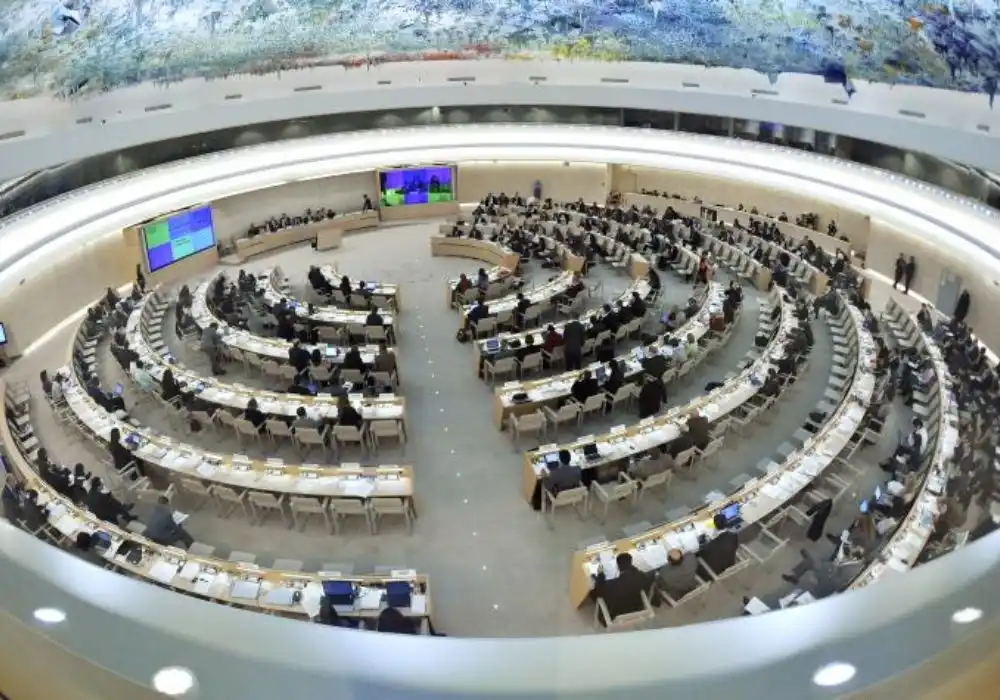
Introduction: India’s Unopposed Ascent to Global Human Rights Leadership
In a significant diplomatic development, India has once again secured a coveted seat on the United Nations Human Rights Council (UNHRC) for the upcoming 2026-28 term. This marks the seventh time India has been elected to this crucial international body, a powerful testament to its growing global stature and consistent commitment to upholding human rights principles. The election, which saw India sail through unopposed following an announcement by the UN General Assembly, signifies broad international consensus and trust in India’s role on the world stage. As aspiring candidates for competitive examinations, understanding such global events is not merely about memorizing facts but grasping their deeper implications for India and international relations, which are core components of current affairs and static general knowledge sections in your exams.
What is the UN Human Rights Council and Why Does It Matter?
The United Nations Human Rights Council is an intergovernmental body within the United United Nations system, primarily responsible for promoting and protecting human rights across the globe. Established in 2006, it diligently addresses situations of human rights violations and formulates crucial recommendations. Comprising 47 member states elected by the UN General Assembly for staggered three-year terms, its vital work includes reviewing the human rights records of all UN member states through the Universal Periodic Review mechanism, investigating violations through various mandates, and contributing to the development of international human rights law. For your UPSC, SSC, PSC, or other government exams, knowing the structure, mandate, and key functions of influential bodies like the UNHRC is absolutely fundamental to scoring well in sections related to international organizations and global governance.
The Significance of India’s Re-Election: What Does It Mean?
India’s re-election to the UN Human Rights Council, particularly being unopposed, carries substantial diplomatic and political weight. It strongly reflects the international community’s recognition of India’s robust democratic credentials, its incredibly diverse societal fabric, and its active, constructive participation in global human rights discussions. As a nation with a vast population and a complex socio-political landscape, India brings a unique and invaluable perspective to the Council’s deliberations. India’s Permanent Representative, P Harish, rightly articulated that this election clearly underscores India’s unwavering dedication to human rights and fundamental freedoms. For government exam aspirants, this event highlights several key aspects: India’s growing soft power, its diplomatic influence in multilateral forums, and its strategic positioning, all of which are critical areas for comprehensive current affairs analysis. It also provides a significant platform for India to champion issues it deems vital, influence global policy-making, and constructively engage in nuanced debates on universal human rights.
How Does This Relate to Your Exam Preparation?
For candidates diligently preparing for exams like UPSC, SSC, PSC, and various other government recruitment tests, this development is a prime example of a current affair that intricately intertwines with static general knowledge and broader international relations topics.
* Current Affairs: You must stay updated on India’s specific activities and public statements within the UNHRC throughout its term. What key initiatives does India support or propose? What stances does it take on critical global human rights issues?
* Static General Knowledge: Develop a solid understanding of the origin, detailed structure, core functions, and key subsidiary bodies of the United Nations itself. Understand the historical context and the distinction between the current Human Rights Council and its predecessor, the Human Rights Commission.
* International Relations: Analyze India’s overarching foreign policy objectives, its consistent standing on specific human rights issues, and its pivotal role in multilateral diplomacy. This event serves as an excellent practical case study for analytical questions and essay writing in your main examinations.
* Daily News Quiz & Interactive Exams: Expect well-crafted questions on this topic in your daily quizzes or comprehensive mock tests. Resources like those offered by myentrance.in can significantly help you test your understanding with interactive examinations and detailed, insightful answers.
Maximizing Your Preparation with myentrance.in
myentrance.in is meticulously designed to be your comprehensive and trusted partner in competitive exam preparation. Our platform offers a wealth of expertly curated resources, including interactive examinations that perfectly simulate real exam conditions, allowing you to practice and refine your knowledge across current affairs, static general knowledge, and international relations. Our regularly updated daily news quizzes will keep you absolutely abreast of such crucial global developments, while our detailed answers and comprehensive explanations ensure you understand not just ‘what’ happened, but critically, ‘why’ it happened and ‘how’ it impacts the broader context. Leverage our expertly curated content and proven examination tips to transform complex topics like India’s UNHRC election into score-boosting insights for your upcoming exams.
Frequently Asked Questions (FAQs)
Q1: What is the primary role of the UN Human Rights Council (UNHRC)?
A1: The UNHRC is an intergovernmental body within the United Nations system primarily tasked with promoting and protecting human rights across the globe. Its main responsibilities include investigating alleged human rights violations, addressing thematic human rights issues, and making recommendations to the General Assembly.
Q2: For how long has India been elected to the UNHRC in this recent election?
A2: India has been successfully elected for a three-year term, which is scheduled to commence from 2026 and will conclude in 2028.
Q3: Why is it particularly significant that India was elected unopposed to the UNHRC?
A3: Being elected unopposed is highly significant as it signifies broad international consensus and strong trust in India’s democratic values, its deep commitment to human rights principles, and its responsible, constructive role on the global stage. It reflects India’s robust and respected diplomatic standing.
Q4: How does India’s re-election to the UNHRC impact its foreign policy objectives?
A4: India’s continued presence on the UNHRC provides a vital platform to advocate for its unique perspectives on human rights, influence the development of international norms, engage in constructive multilateral dialogues, and significantly enhance its diplomatic leverage on issues of global importance, thereby directly strengthening its broader foreign policy goals.
Q5: How should competitive exam aspirants effectively prepare for questions related to this event?
A5: Aspirants should focus intently on understanding the UNHRC’s fundamental structure and functions (Static General Knowledge), meticulously tracking India’s specific actions and public statements during its term (Current Affairs), and analytically examining the broader implications for India’s foreign policy and international relations (Analytical Skills). Utilizing reliable resources like daily news quizzes and interactive examinations from platforms like myentrance.in is highly recommended for comprehensive preparation.





