
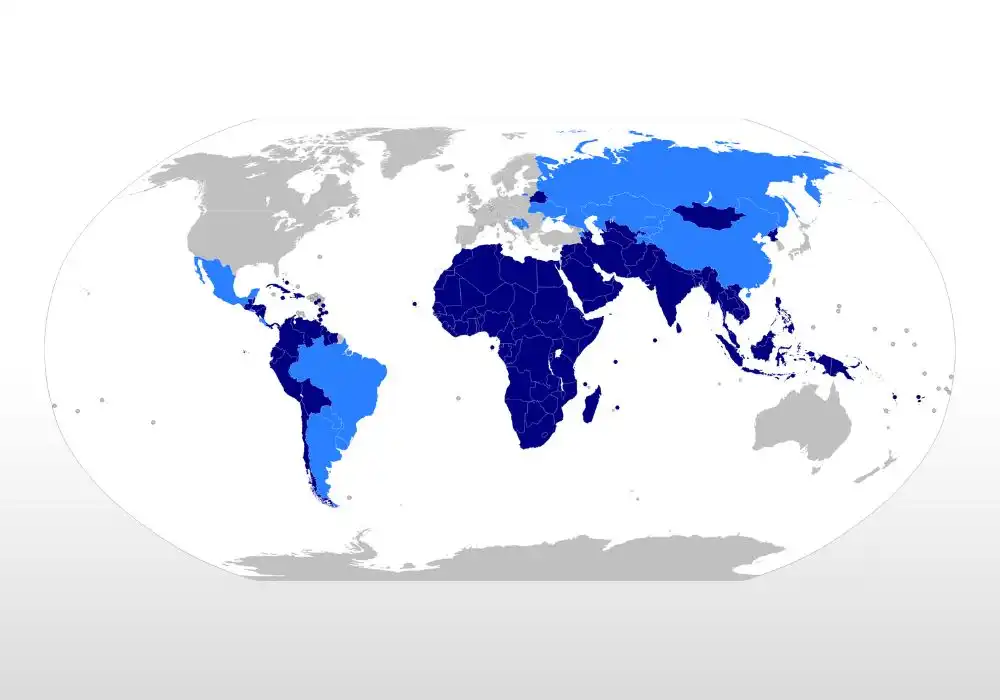
For aspirants gearing up for competitive examinations like UPSC, SSC, PSC, NID, NIFT, and other government services, staying abreast of global diplomatic engagements is paramount. Understanding India’s foreign policy and its participation in international forums often forms a crucial part of the General Knowledge, Current Affairs, and International Relations sections of these exams. A recent and significant event in this domain was India’s participation in the 19th Mid-Term Ministerial of the Non-Aligned Movement (NAM) held in Kampala, Uganda. This engagement isn’t just a headline; it’s a vital piece of the puzzle for your exam preparation.
Unpacking the Non-Aligned Movement: A Historical Overview
The Non-Aligned Movement, or NAM, emerged during the Cold War era as a forum of independent states that chose not to align themselves formally with or against any major power bloc. Born out of the Bandung Conference of 1955, NAM was formally established in Belgrade in 1961. Its core principles revolved around promoting sovereignty, territorial integrity, mutual non-aggression, non-interference in internal affairs, and peaceful co-existence. India, under its first Prime Minister Jawaharlal Nehru, was a pivotal founding member, alongside leaders like Tito of Yugoslavia, Nasser of Egypt, Nkrumah of Ghana, and Sukarno of Indonesia. The fundamental “what” of NAM is its commitment to independent foreign policy and multilateralism, focusing on the interests of developing nations. This historical context is essential for any exam candidate to grasp the underlying philosophy behind India’s continued engagement.
India’s Enduring Diplomacy: Why NAM Still Matters
While the Cold War is long over, the “why” of NAM’s continued existence and India’s active role remains deeply relevant. In today’s complex, multi-polar world, where new geopolitical alignments and challenges are constantly emerging, NAM provides a unique platform for member states, predominantly from the Global South, to voice their concerns collectively and advocate for a more equitable international order. For India, it offers an opportunity to strengthen South-South cooperation, discuss pressing global issues like climate change, terrorism, economic disparities, and push for reforms in global governance structures. India’s consistent participation underscores its commitment to multilateralism and its strategy of maintaining strategic autonomy in its foreign policy, allowing it to engage with all major powers while upholding its national interests.
The Kampala Ministerial: Where and When India Engaged
The specific event in focus was the 19th Mid-Term Ministerial of the Non-Aligned Movement. This significant gathering took place in Kampala, the capital city of Uganda, over two days, specifically on the 15th and 16th of October. Representing India and leading the Indian delegation was the Minister of State for External Affairs, Kirti Vardhan Singh. Ministerial meetings like these serve as crucial junctures for member states to review progress, assess current global challenges, and prepare the ground for future summits. These gatherings allow for high-level discussions, bilateral meetings on the sidelines, and the formulation of joint strategies on various international issues. Understanding “where” and “when” these events occur, and “who” represents India, are direct factual questions often posed in preliminary exams.
Your Exam Edge: Connecting NAM to Current Affairs & GK
For competitive exam aspirants, the information surrounding India’s participation in the NAM Ministerial is a goldmine.
* Current Affairs: Directly relevant for daily news quizzes and sections testing recent events. You might face questions on the dates, location, or India’s representative.
* General Knowledge (GK): The history, founders, and core principles of NAM are classic GK questions for SSC, PSC, and other government exams. Questions like “When was NAM founded?” or “Who were the founding members?” are common.
* UPSC GS-II (International Relations): For UPSC candidates, understanding India’s evolving foreign policy, its relationship with international organizations, and its role in promoting global peace and development are critical. This topic can lead to analytical questions about NAM’s relevance in the 21st century, India’s stance on South-South cooperation, or its role in global governance reforms. Analyzing “how” India leverages such platforms to achieve its diplomatic objectives is key.
To effectively prepare, students should not just memorize facts but also understand the broader context and implications of India’s diplomatic endeavors. This allows for a holistic understanding, preparing you not just for factual recall but also for analytical and descriptive questions that require a deeper insight into international relations.
Frequently Asked Questions (FAQs)
1. What is the Non-Aligned Movement (NAM)?
The Non-Aligned Movement (NAM) is an international organization of states that are not formally aligned with or against any major power bloc. It was established during the Cold War era with the aim of promoting independence, sovereignty, and peaceful coexistence among its member states.
2. Why was the Non-Aligned Movement (NAM) founded?
NAM was founded primarily to allow newly independent developing countries to pursue an independent foreign policy, avoid being drawn into the rivalries of the Cold War superpowers (the United States and the Soviet Union), and collectively advocate for their interests on the international stage.
3. What is India’s role in the Non-Aligned Movement (NAM)?
India is a pivotal founding member of NAM and has consistently played a significant role in shaping its principles and agenda. India views NAM as an important forum for promoting South-South cooperation, multilateralism, and addressing global challenges such as climate change, terrorism, and economic inequality.
4. Why is the NAM Ministerial meeting in Kampala important for current affairs?
The NAM Ministerial meeting in Kampala is important for current affairs as it highlights ongoing diplomatic efforts, India’s active foreign policy engagement, and the continued relevance of international organizations in addressing contemporary global issues. Such events often involve discussions on critical geopolitical developments and set the agenda for future international cooperation.
5. Who represented India at the 19th NAM Mid-Term Ministerial in Kampala?
India was represented by the Minister of State for External Affairs, Kirti Vardhan Singh, who led the Indian delegation at the 19th Mid-Term Ministerial of the Non-Aligned Movement held in Kampala, Uganda.





