
For aspiring candidates eyeing success in competitive exams like UPSC, SSC, PSC, and various government sector tests, understanding India’s foreign policy and its developmental initiatives is crucial. One such significant program, frequently appearing in current affairs sections, is India’s extensive housing project in Sri Lanka. This initiative not only reflects India’s commitment to its neighbors but also offers a prime example of humanitarian diplomacy, making it an essential topic for your General Knowledge and International Relations preparation.
The Core of the Initiative: What It Entails
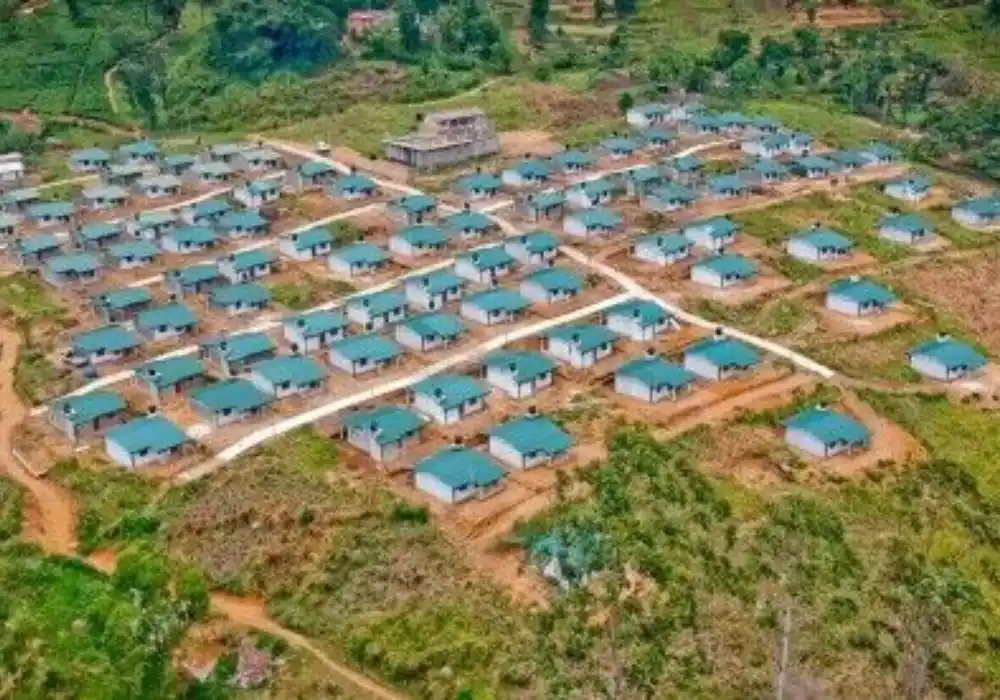
Recently, India announced a substantial step forward in its long-standing commitment to Sri Lanka. This involves the next phase of the Indian Housing Project, specifically advancing support for 14,000 new homes. This latest commitment falls under Phase IV of the ambitious program, primarily aimed at supporting the Indian-Origin Tamil community residing in Sri Lanka. This isn’t an isolated effort; it’s part of a much larger, ongoing commitment that now encompasses a remarkable total of 65,000 houses. This widespread development assistance, valued at over LKR 64 billion, underscores India’s significant investment in its neighbor’s stability and welfare.
Who Benefits and Where: Understanding the Impact
The primary beneficiaries of this extensive housing project are the Indian-Origin Tamils, a community with deep historical ties to both nations. These new homes are being constructed across all 25 districts of Sri Lanka, ensuring a broad and inclusive reach. This strategic distribution highlights India’s dedication to equitable development across the island nation, directly addressing critical housing needs and improving living standards for a vulnerable population group. Such projects are vital for regional stability and addressing socio-economic disparities.
Why This Project Matters: India’s Strategic Vision
This housing initiative is a testament to India’s ‘Neighborhood First’ policy, a cornerstone of its foreign relations. By investing in the welfare of communities in Sri Lanka, India strengthens bilateral ties, fosters goodwill, and promotes regional stability. It demonstrates India’s role as a responsible global partner and a reliable friend, particularly in post-conflict recovery and development. For exam purposes, this project serves as an excellent case study for questions on India’s foreign policy objectives, humanitarian aid, and development cooperation with South Asian nations.
Implementation and Key Insights for Aspirants
The successful implementation of such large-scale projects requires dedicated efforts. India’s High Commissioner to Sri Lanka, Santosh Jha, has been instrumental in overseeing these advancements, signifying the high-level attention given to this initiative. Understanding the key figures and the institutional framework behind such projects is crucial for competitive exams, especially in sections dealing with diplomatic assignments and international organizations. This project serves as a practical example of how diplomatic missions translate policy into tangible humanitarian outcomes.
Your Exam Advantage
Staying updated on such developments provides a significant edge in current affairs and general knowledge sections. Be prepared to answer questions on the specific phases of the project, the total financial outlay, the beneficiary community, and the broader implications for India-Sri Lanka relations. Analyzing such initiatives helps you develop a holistic understanding of international relations, which is invaluable for essay writing and interview rounds in prestigious examinations like UPSC.
Frequently Asked Questions (FAQs)
1. What is the Indian Housing Project in Sri Lanka?
The Indian Housing Project is a major developmental initiative by the Government of India to construct houses for communities in Sri Lanka, primarily focusing on the Indian-Origin Tamil population. It aims to improve living conditions and support post-conflict rehabilitation.
2. Who are the primary beneficiaries of this project?
The main beneficiaries of the Indian Housing Project, particularly in its latest phases, are the Indian-Origin Tamil community residing across various districts of Sri Lanka.
3. How many houses has India committed under this initiative so far?
With the latest advancements, India’s total housing assistance under this project now extends to 65,000 houses across Sri Lanka, indicating a substantial commitment over multiple phases.
4. What is the significance of this project for India-Sri Lanka relations?
This project is highly significant as it strengthens bilateral ties between India and Sri Lanka, exemplifies India’s “Neighborhood First” policy, and underscores its role as a key development partner, fostering goodwill and stability in the region.
5. Which Indian policy does this project primarily align with?
The Indian Housing Project in Sri Lanka is a prime example and direct manifestation of India’s “Neighborhood First” policy, which prioritizes strong, friendly relations and developmental cooperation with its immediate neighbors.





