
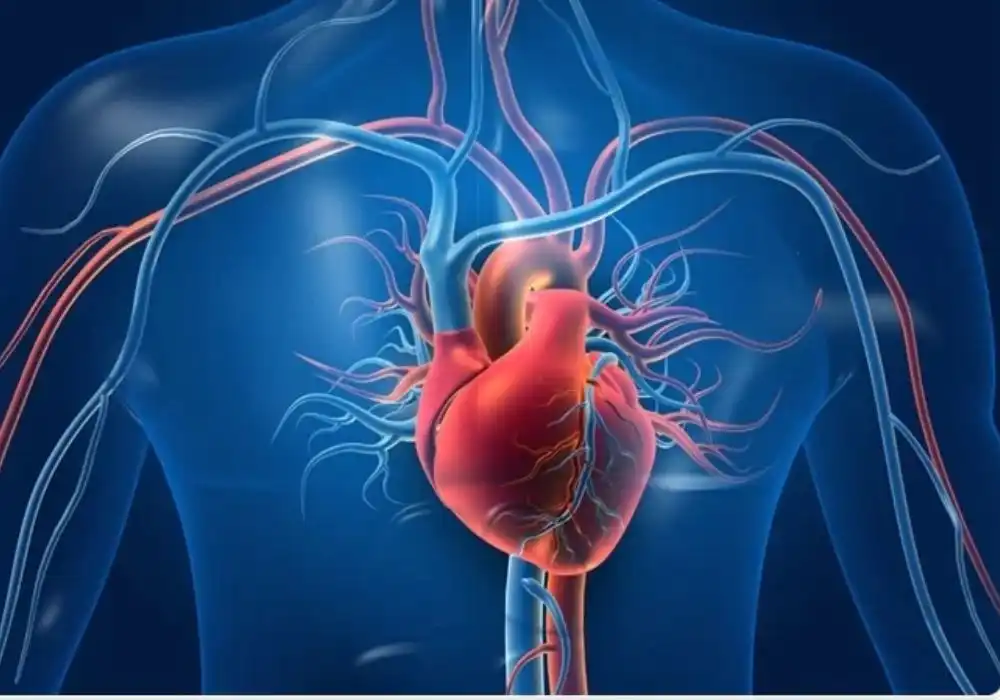
As dedicated aspirants charting your course towards success in competitive examinations like UPSC, SSC, PSC, NID, NIFT, and countless other government exams, you meticulously focus on mastering current affairs, delving into static general knowledge, practicing interactive quizzes, and refining examination strategies. While intellectual prowess is paramount, there’s an often-overlooked yet fundamentally critical component to your journey: your heart health. World Heart Day, observed globally every year on September 29th, is far more than just a date on the calendar; it’s an urgent call to action, offering profound implications for your present preparation and future achievements.
Understanding World Heart Day: A Global Imperative
World Heart Day stands as a monumental global initiative, spearheaded by the World Heart Federation, dedicated to raising universal awareness about cardiovascular diseases (CVDs). These conditions, encompassing heart attacks, strokes, and heart failure, remain the leading cause of mortality worldwide. The observance serves as a powerful reminder that heart disease is largely preventable through conscious lifestyle choices. Each year, the day emphasizes a particular theme, shining a spotlight on various aspects of heart health, from the impact of diet and exercise to the importance of early detection and managing risk factors. It encourages individuals, communities, and governments alike to take decisive steps towards fostering heart-healthy environments and habits.
The Aspirant’s Advantage: Why a Healthy Heart is Your Ultimate Study Tool
For students immersed in the demanding world of competitive exam preparation, the link between a healthy heart and academic success is undeniable. Your rigorous study schedules, long hours of concentration, and the inherent stress of high-stakes examinations place significant demands on both your mind and body. A strong, healthy cardiovascular system ensures optimal blood flow to your brain, directly impacting your cognitive functions – memory retention, analytical thinking, problem-solving abilities, and sustained focus. When your heart functions efficiently, your brain receives the oxygen and nutrients it needs to operate at peak capacity, helping you absorb complex information, recall facts under pressure, and maintain mental clarity during intense study sessions or grueling exam hours. Conversely, poor heart health can manifest as fatigue, reduced concentration, increased anxiety, and a diminished capacity to handle academic pressure, ultimately hindering your performance and delaying your progress towards your goals.
Navigating the Global Landscape: Cardiovascular Health and Its Wider Impact
Understanding the global burden of cardiovascular diseases isn’t merely about personal health; it’s a vital piece of general knowledge and current affairs that often features in competitive examinations. Questions might arise concerning the prevalence of CVDs in different regions, the role of international organizations like the World Health Organization (WHO) and the World Heart Federation in combating these diseases, or government initiatives to promote heart health. Recognizing the socio-economic impact of CVDs – on healthcare systems, productivity, and national development – provides a broader perspective, equipping aspirants with a holistic understanding that is crucial for subjects like General Studies in UPSC or current events sections in other exams. Your awareness of these global health challenges also reflects a well-rounded and informed perspective, attributes highly valued in public service.
Strategic Steps: Cultivating a Heart-Healthy Lifestyle for Peak Performance
Embracing heart-healthy habits doesn’t require a radical overhaul; rather, it involves consistent, strategic choices that align perfectly with your pursuit of excellence.
1. Fuel Your Body Wisely: Prioritize a balanced diet rich in whole grains, fresh fruits, vegetables, lean proteins, and healthy fats. Minimize processed foods, excessive sugars, and unhealthy fats, which can contribute to high blood pressure, cholesterol, and weight gain – all risk factors for heart disease. Think of nutritious food as the premium fuel for your intellectual engine.
2. Incorporate Regular Movement: Even with a packed study schedule, carve out time for physical activity. Brisk walking, jogging, cycling, or even short bursts of exercise throughout the day can significantly improve cardiovascular fitness. Regular physical activity reduces stress, enhances mood, and improves blood circulation, keeping your heart robust and your mind sharp.
3. Master Stress Management: The pressure of competitive exams can be immense. Chronic stress elevates heart rate and blood pressure, contributing to cardiovascular strain. Integrate stress-reduction techniques such as mindfulness meditation, deep breathing exercises, short breaks, or engaging in a hobby you enjoy. A calm mind supports a healthy heart.
4. Prioritize Quality Sleep: Adequate, restful sleep is fundamental for overall health, including heart health. During sleep, your body repairs itself, and your blood pressure naturally drops. Aim for 7-9 hours of quality sleep each night to allow your heart to rest and recover, ensuring you wake up refreshed and ready to tackle your studies with renewed vigor.
5. Avoid Harmful Habits: Smoking and excessive alcohol consumption are major contributors to heart disease. If you currently engage in these habits, consider their profound negative impact on your long-term health and your immediate study capabilities. Making conscious choices to avoid them is an investment in both your heart and your future career.
A Lifelong Investment: Beyond September 29
World Heart Day serves as an annual reminder, but the commitment to heart health is a lifelong journey, not a singular event. The healthy habits you cultivate during your exam preparation phase will not only bolster your chances of success but will also lay the groundwork for a long, healthy, and productive life beyond your career aspirations. By integrating these practices into your daily routine, you are making a powerful statement: you are dedicated not just to achieving your dreams but also to sustaining the well-being that makes those dreams truly fulfilling. Make your heart a priority, and it will, in turn, support you in every step of your ambitious path.
Frequently Asked Questions
Q1: When is World Heart Day observed, and what is its primary purpose?
A1: World Heart Day is observed annually on September 29th. Its primary purpose is to raise global awareness about cardiovascular diseases (CVDs), their prevention, and their global impact, encouraging individuals to adopt heart-healthy lifestyles.
Q2: How does heart health directly impact a student’s preparation for competitive exams?
A2: A healthy heart ensures optimal blood flow to the brain, enhancing cognitive functions like memory, concentration, and analytical skills. It helps manage stress, reduces fatigue, and boosts overall mental and physical resilience, all crucial for sustained and effective exam preparation.
Q3: What are some simple lifestyle changes students can implement to improve their heart health?
A3: Simple changes include adopting a balanced diet rich in whole foods, incorporating regular physical activity (even short breaks for movement), practicing stress management techniques like mindfulness, prioritizing 7-9 hours of quality sleep, and avoiding harmful habits like smoking or excessive alcohol.
Q4: Is knowledge about World Heart Day and cardiovascular health relevant for competitive exams?
A4: Absolutely. World Heart Day and broader cardiovascular health topics are frequently featured in current affairs sections, general knowledge quizzes, and general studies papers for exams like UPSC, SSC, and PSC. Understanding global health initiatives and statistics demonstrates a well-rounded awareness.
Q5: What is the significance of the annual theme for World Heart Day?
A5: The annual theme for World Heart Day helps focus global attention on a specific aspect of heart health, addressing pressing challenges or highlighting particular preventive strategies. It guides campaigns and educational efforts for that year, making the awareness drive more targeted and impactful.





