
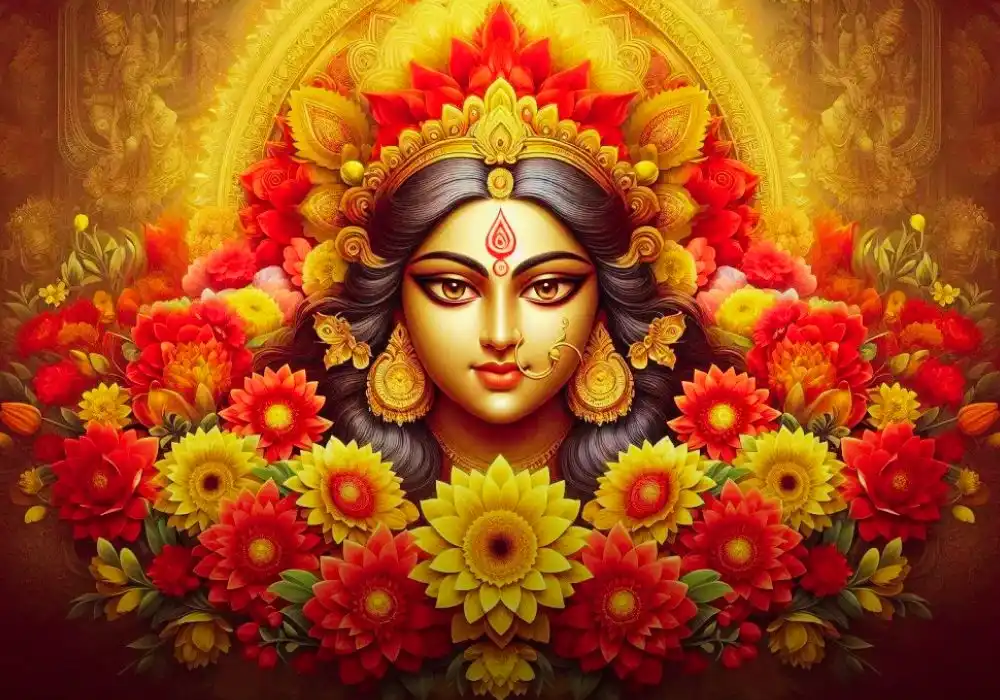
The vibrant tapestry of Indian culture is woven with numerous festivals, each telling a unique story of devotion, history, and communal spirit. Among the most magnificent is Durga Puja, a multi-day spectacle dedicated to Goddess Durga, a powerful embodiment of divine feminine energy. For aspirants targeting prestigious exams like UPSC, SSC, PSC, NID, NIFT, and other government service examinations, understanding the nuances of such cultural phenomena is not just about appreciating heritage, but also a crucial component of Static General Knowledge and Current Affairs. At MyEntrance.in, we believe in equipping you with comprehensive insights, starting with the very heart of this grand celebration: Maha Saptami. Never miss an important event with our daily current affairs updates for exams.
Why Maha Saptami Signals the True Beginning
While preparations for Durga Puja begin much earlier, it is Maha Saptami that truly ushers in the main festivities. This significant day, meaning the “Great Seventh” day, is when the Goddess Durga is formally invoked and her divine presence is believed to descend into the idols. It marks the first of the three main days of puja (Saptami, Ashtami, Navami) and sets the stage for the elaborate rituals, cultural performances, and joyous community gatherings that follow. Understanding the precise timing and sequence of these rituals is key to grasping the depth of this festival and often forms the basis of general knowledge questions.
What Happens on Maha Saptami: The Sacred Rituals Unveiled
The day of Maha Saptami is characterized by several profound rituals, each rich in symbolism. Foremost among them is the *Pran Pratishtha*, the sacred ceremony that breathes life into the idol of Goddess Durga. Following this, one of the most distinctive traditions is the *Kola Bou* or *Nabapatrika* ritual. Nine different plants, including banana, taro, turmeric, and paddy, are tied together, given a holy bath in a river or pond, and then adorned in a saree, symbolizing the wife of Ganesha and also the nine forms of Durga. This ritual represents the agrarian roots of the festival and the deep connection between divine power and nature. The *Kola Bou* is then placed beside Ganesha’s idol, signifying the union of natural bounty with the divine. It is on this day that the first set of special prayers, known as ‘Anjali’, are offered to the Goddess, marking the official commencement of public worship. These specific details are often tested in examinations, requiring aspirants to have a clear understanding of the ‘how’ and ‘what’ of the celebrations.
Where Durga Puja Resonates: A Pan-Indian and Global Phenomenon
Though most prominently celebrated in the eastern Indian states of West Bengal, Assam, Tripura, and Odisha, Durga Puja transcends geographical boundaries. Its fervor is felt across India, from bustling metropolises to serene villages, with significant celebrations in Delhi, Mumbai, and Bangalore. Beyond India’s borders, the Bengali diaspora enthusiastically observes Durga Puja in countries like Bangladesh, Nepal, the United Kingdom, the United States, and Australia, transforming it into a global celebration of Indian culture and spirituality. This widespread observance highlights its significance as a cultural heritage point, a common topic in UPSC and other competitive exams focusing on national and international cultural impact.
Why Understanding Festivals Matters for Your Exam Journey
For any competitive exam aspirant, comprehending the cultural landscape of India is not merely an academic exercise; it’s a strategic advantage. Questions on Indian art, culture, history, and current affairs frequently draw from major festivals and their unique customs. Knowing the “why,” “what,” “where,” and “how” of festivals like Durga Puja helps build a robust foundation in Static GK, enhances your understanding of societal structures, and provides crucial context for current events. MyEntrance.in offers interactive examinations and current affairs updates that frequently incorporate such culturally relevant topics, preparing you not just to remember facts, but to understand their deeper implications. From daily news quizzes to static general knowledge modules, our resources are designed to make you an expert in every subject area, including the vibrant festivals that define our nation. Sharpen your GK skills with our curated daily news questions and answers.
Frequently Asked Questions (FAQs)
1. What is the core significance of Maha Saptami during Durga Puja?
Maha Saptami is the pivotal day when Goddess Durga is formally invoked and believed to enter her idol through the *Pran Pratishtha* ceremony, marking the official beginning of the main three-day public worship and festivities.
2. What is the ‘Kola Bou’ ritual, and what does it symbolize on Maha Saptami?
The ‘Kola Bou’ or ‘Nabapatrika’ ritual involves binding nine sacred plants together, bathing them, and adorning them as a bride. It symbolizes Ganesha’s wife and also the nine forms of Durga, representing the close connection between divine energy, nature, and agrarian fertility.
3. Besides West Bengal, which other regions are renowned for their Durga Puja celebrations?
While West Bengal is the epicenter, Durga Puja is extensively celebrated with great enthusiasm in other Indian states like Assam, Tripura, Odisha, Bihar, Jharkhand, and also in major Indian cities like Delhi, Mumbai, and Bangalore.
4. How does knowledge about festivals like Durga Puja assist in competitive exam preparation?
Understanding festivals like Durga Puja is crucial for competitive exams as it forms a significant part of Static General Knowledge, Indian Culture and Heritage sections, and can also feature in Current Affairs questions, helping aspirants grasp India’s diverse social fabric and historical traditions.
5. Is Durga Puja exclusively an Indian festival?
No, while deeply rooted in India, Durga Puja is also celebrated with great fervor by the Bengali diaspora and Hindu communities in countries worldwide, including Bangladesh, Nepal, the United States, the United Kingdom, and Australia, making it a truly global cultural event.





