
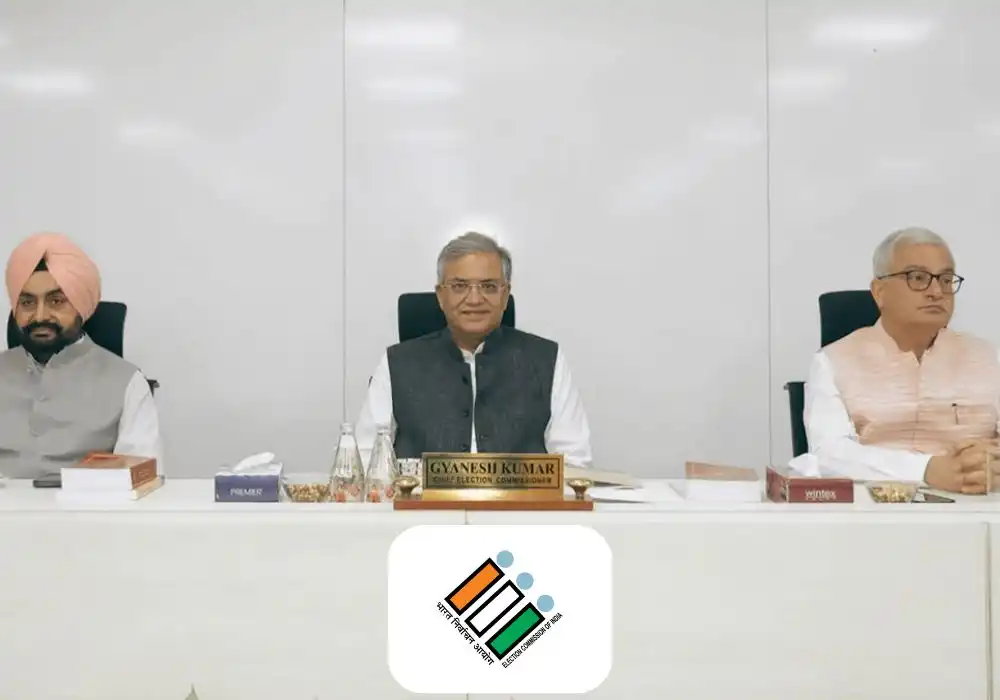
India, the world’s largest democracy, cherishes the integrity of its electoral process above all else. At the heart of this safeguarding mechanism is the Election Commission of India (ECI), a constitutional body tasked with conducting free and fair elections. As various states and the nation gear up for upcoming electoral battles, the EC’s announcement regarding the extensive deployment of Central Observers is a pivotal step that underscores its unwavering commitment to democratic principles. For aspirants preparing for competitive exams like UPSC, SSC, and PSC, understanding this fundamental aspect of India’s electoral machinery is not just current affairs; it’s a deep dive into the practical application of constitutional governance and administrative integrity. Ace the GK section by consistently attempting our daily news-based quiz for PSC.
What Exactly Are Central Observers?
Central Observers are not just any government officials; they are senior civil servants, typically from the Indian Administrative Service (IAS), Indian Police Service (IPS), or other central government services, who are specially appointed by the Election Commission. Crucially, these officers are usually drawn from cadres outside the state where elections are being held, ensuring impartiality and independence. They act as the direct representatives, the “eyes and ears,” of the Election Commission on the ground, tasked with ensuring that every stage of the election process adheres strictly to the law and established guidelines.
Why Are Central Observers Deployed? The Core Objective
The primary objective behind deploying Central Observers is to uphold the sanctity and credibility of the electoral process. In a diverse and often politically charged environment, the potential for malpractices, intimidation, or administrative bias can be high. The presence of an independent external authority like a Central Observer serves as a powerful deterrent against such transgressions. Their role is to ensure a level playing field for all contesting parties and candidates, instilling confidence among voters that their franchise will be exercised freely and that their vote will be counted fairly. This mechanism is central to preventing voter coercion, misuse of state machinery, and violations of the Model Code of Conduct, thereby reinforcing public trust in the democratic system.
How Do They Operate? A Glimpse into Their Functionality
Central Observers are vested with extensive powers and responsibilities that span the entire election cycle. From the moment of their deployment, often weeks before polling day, they meticulously monitor voter list preparations, candidate nominations, campaign activities, and the overall law and order situation. On polling day, they visit numerous polling stations, inspect election materials, scrutinize the conduct of polling personnel, and observe the voting process itself to ensure transparency and fairness.
They are empowered to interact with local election officials, political parties, and even the general public to gather feedback and address grievances. Should they detect any significant irregularities or violations of election laws, they are authorized to recommend immediate remedial action to the Election Commission, which can include ordering repolling in specific booths or taking disciplinary action against errant officials. There are often different categories of observers as well: General Observers oversee the overall conduct, Expenditure Observers specifically track financial transactions to curb illicit spending, and Police Observers focus on law and order issues.
When and Where Are They Deployed?
The deployment of Central Observers is comprehensive, covering every constituency where elections are scheduled. Their presence is not limited to the voting day alone; they are typically on duty from the pre-election preparedness phase, through the campaign period, polling day, and continue their oversight until the counting of votes is successfully concluded. This continuous vigil ensures that the integrity of the election is maintained from start to finish, providing a consistent layer of independent scrutiny across the entire geographical spread of the elections.
Significance for Indian Democracy and Exam Aspirants
The institution of Central Observers is a cornerstone of India’s robust democratic framework. Their impartial oversight is critical in safeguarding the democratic process, preventing electoral fraud, and ensuring that the outcome truly reflects the will of the people. For students preparing for government exams, this topic is incredibly relevant. It falls under Current Affairs, Indian Polity, and General Knowledge. Understanding the functions of the Election Commission and the role of its observers provides crucial insights into constitutional bodies, electoral reforms, administrative ethics, and the practical challenges of governance in a diverse nation. Mastering these concepts will not only help in competitive examinations but also foster a deeper understanding of civic responsibility and democratic accountability. Enhance your knowledge with our curated daily news analysis for GK.
Frequently Asked Questions (FAQs)
Q1: Who appoints Central Observers for Indian elections?
A1: Central Observers are appointed directly by the Election Commission of India (ECI). They are typically senior civil servants from the All India Services or Central Services, generally from states other than where the election is being conducted, to ensure their impartiality.
Q2: What is the primary role of a Central Observer during elections?
A2: The primary role of a Central Observer is to act as the “eyes and ears” of the Election Commission on the ground. They ensure that elections are conducted in a free, fair, and transparent manner, strictly adhering to election laws and the Model Code of Conduct, by monitoring all aspects of the electoral process.
Q3: Are there different types of Central Observers, and if so, what are they?
A3: Yes, there are primarily three types of Central Observers. General Observers oversee the overall conduct of elections; Expenditure Observers monitor election spending and financial transactions to curb illegal inducements; and Police Observers assess the law and order situation and security arrangements.
Q4: Can a Central Observer intervene directly if they spot an irregularity?
A4: While Central Observers do not directly manage the election process, they have significant powers. They can issue instructions to local election officials, report irregularities to the Election Commission immediately, and recommend actions such as suspension of officials, repolling in certain areas, or even FIRs, if serious malpractices are detected. Their presence is a powerful deterrent and ensures accountability.
Q5: Why is the deployment of Central Observers considered crucial for Indian democracy?
A5: The deployment of Central Observers is crucial because their independent and unbiased scrutiny helps maintain public trust in the electoral system. They prevent malpractices, ensure a level playing field for all participants, and uphold the integrity of India’s democratic process, guaranteeing that the election results genuinely reflect the will of the electorate.





