
Unpacking India-Russia Relations in a Multipolar World
In the intricate tapestry of global diplomacy, India has consistently carved its path, demonstrating a nuanced approach to international relations. A recent statement by Russian Foreign Minister Sergey Lavrov perfectly encapsulates this dynamic, highlighting a pivotal aspect of India’s foreign policy that is crucial for aspirants of competitive examinations like UPSC, SSC, PSC, and other government roles. Understanding such geopolitical declarations is not just about staying informed, but about grasping the underlying principles of India’s strategic autonomy. Take your daily dose of current affairs to stay informed and prepared.
The Core Message: Mutual Respect and Independent Pathways
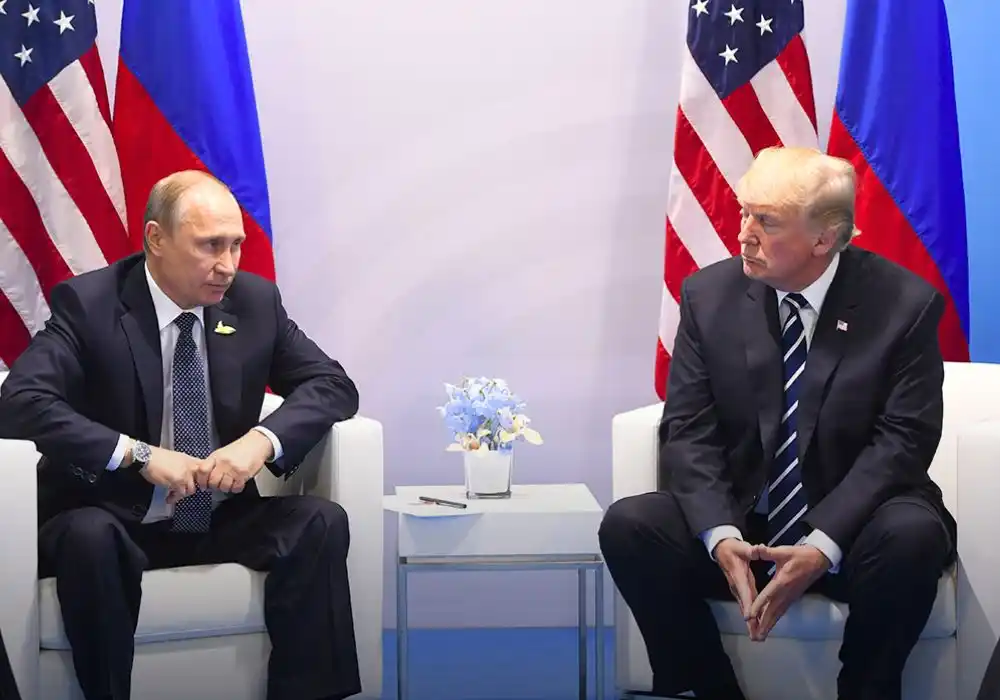
The essence of Minister Lavrov’s declaration was clear and resonant: Russia holds deep respect for India’s national interests and the distinctly independent foreign policy championed by Prime Minister Narendra Modi. Crucially, he emphasized that India’s growing engagements and relationships with other nations, particularly with the United States, should not and do not serve as a measuring stick for the enduring ties between New Delhi and Moscow. This statement, made during a significant diplomatic interaction, underscores a key tenet of how two major global powers perceive their bilateral bond, free from the dictates of third-party relations.
Why This Matters: India’s Strategic Autonomy in Action
This pronouncement is not merely a diplomatic courtesy; it is a profound affirmation of India’s commitment to strategic autonomy. For decades, India has navigated a complex global landscape, refusing to be drawn into exclusive blocs. Its foreign policy objectives are firmly rooted in advancing its national interests, fostering economic growth, ensuring security, and contributing to a stable world order. The ability to maintain robust, multifaceted relationships with diverse global powers – be it Russia, a long-standing strategic partner, or the United States, a crucial contemporary ally – is a testament to this autonomous approach. Aspiring civil servants must recognize that this balance is a cornerstone of modern Indian diplomacy, often referred to as ‘multi-alignment’ or ‘non-alignment 2.0’. It showcases India’s capacity to engage with various nations on their own merits, rather than viewing international relations through a zero-sum lens.
Historical Roots and Contemporary Relevance
The India-Russia relationship boasts a rich history, characterized by deep trust, cooperation across defence, energy, and space sectors, and consistent support on international platforms. This historical depth allows for a level of understanding that often transcends immediate geopolitical shifts. Minister Lavrov’s remarks reinforce the notion that this relationship is built on its own strengths and shared long-term interests, rather than being contingent upon India’s other diplomatic engagements. For competitive exams, understanding this historical continuum and its contemporary manifestations is vital, as questions frequently delve into the evolution and significance of India’s bilateral ties. Knowing the ‘why’ behind such statements helps in analyzing complex situations and formulating well-reasoned answers, especially in descriptive papers.
How This Applies to Your Exam Preparation
For aspirants, this news item serves as an excellent case study for several exam categories:
* UPSC Civil Services: This directly relates to International Relations (GS-II), providing a real-world example of India’s foreign policy principles, strategic autonomy, bilateral relations, and the dynamics of a multipolar world order.
* SSC/PSC Exams: Questions on current affairs, international organizations, major diplomatic events, and the roles of key global leaders often emerge from such news.
* NID/NIFT & Other Government Exams: General knowledge sections frequently test awareness of significant global developments and India’s stance on them.
Analyzing such statements helps you develop critical thinking skills, articulate arguments, and connect current events to broader theoretical frameworks of international relations. It teaches you to look beyond the headlines and understand the deeper implications of diplomatic interactions.
Frequently Asked Questions (FAQs)
1. What does ‘India’s independent foreign policy’ truly mean in practice?
India’s independent foreign policy signifies its commitment to making sovereign decisions on international matters based solely on its national interests, without being pressured or aligned exclusively with any single power bloc or nation. In practice, this allows India to maintain strong, working relationships with diverse countries, even those with competing geopolitical agendas, and to take principled stands on global issues.
2. Why is Russia’s statement about India’s US ties so significant?
The statement is significant because it explicitly acknowledges and respects India’s right to pursue its own diplomatic course, even as India strengthens ties with countries like the US. It demonstrates that the India-Russia relationship is robust enough to withstand India’s expanding global engagements and is not seen as mutually exclusive with other key partnerships. This reinforces India’s strategic autonomy on the world stage.
3. How do India-Russia relations and India-US relations coexist?
India skillfully manages both its long-standing strategic partnership with Russia and its burgeoning strategic partnership with the United States by compartmentalizing relationships and focusing on areas of mutual benefit with each. With Russia, cooperation often spans defence, energy, and certain geopolitical alignments. With the US, ties generally focus on trade, technology, maritime security, and democratic values. India ensures that its engagement with one does not undermine its core interests with the other.
4. What is ‘strategic autonomy’ in the context of India’s foreign policy?
Strategic autonomy refers to a nation’s ability to make independent foreign policy decisions and pursue its own national interests without being dictated or unduly influenced by external powers. For India, it means maintaining its freedom of action and not being forced to choose sides in major power rivalries, thereby preserving its flexibility and leveraging its position as a significant global player.
5. How should exam aspirants effectively prepare for questions related to such geopolitical news?
Aspirants should go beyond surface-level news by understanding the historical context of bilateral relations, identifying key players, analyzing the ‘why’ behind statements and actions, and connecting current events to broader foreign policy principles (like strategic autonomy, non-alignment, multilateralism). Reading editorials, analyses from reputable sources, and revising core International Relations concepts will also be highly beneficial.





