
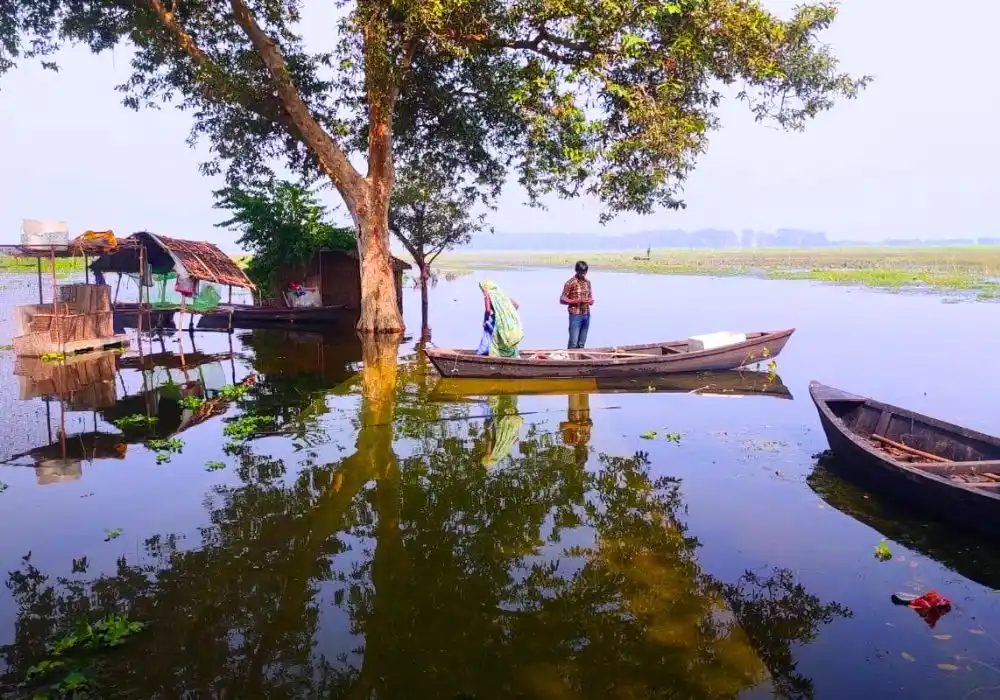
The Latest Environmental Milestone: Bihar’s New Ramsar Gems
India’s commitment to environmental stewardship recently saw a significant boost with the designation of two vital wetlands in Bihar as Ramsar Sites. Gokul Jalashay in Buxar district and Udaipur Jheel in West Champaran district have now joined an elite global network of Wetlands of International Importance. This achievement was enthusiastically acknowledged by Prime Minister Narendra Modi, who highlighted it as a proud moment for the nation’s ongoing efforts in environmental conservation, echoing a social media post by Union Minister Bhupender Yadav. For aspirants of UPSC, SSC, PSC, NID, NIFT, and other government examinations, this is more than just news; it’s a critical current affairs update with deep implications for General Knowledge, Environment, and Geography sections. Aspirants can benefit from the SSC Exam Guide With Tips & Strategies available on our platform.
Understanding Ramsar Sites: What They Are and Why They Matter
To truly grasp the significance of these new designations, one must first understand the concept of a Ramsar Site. The Ramsar Convention, signed in 1971 in Ramsar, Iran, is an intergovernmental treaty that provides the framework for national action and international cooperation for the conservation and wise use of wetlands and their resources. Wetlands are among the most biodiverse and productive ecosystems on Earth, acting as natural water filters, flood controllers, carbon sinks, and vital habitats for countless species, including migratory birds. Designating a wetland as a Ramsar Site acknowledges its ecological importance on a global scale and commits the signatory nation to its protection and sustainable management.
Gokul Jalashay and Udaipur Jheel: Bihar’s Ecological Riches
The inclusion of Gokul Jalashay and Udaipur Jheel elevates Bihar’s environmental profile. Gokul Jalashay, nestled in Buxar, is a significant freshwater body, supporting a diverse array of aquatic life and avian species. Its rich biodiversity and ecological services contribute substantially to the local ecosystem. Similarly, Udaipur Jheel in West Champaran, a natural depression supporting a unique wetland habitat, is a haven for migratory birds and various flora and fauna. These sites serve as crucial breeding grounds, feeding areas, and resting stops, underscoring their irreplaceable role in maintaining ecological balance and supporting regional biodiversity. Their recognition as Ramsar Sites will undoubtedly bolster conservation efforts, promote sustainable resource use, and raise awareness about wetland preservation among local communities.
Why This News is Indispensable for Your Exam Preparation
For competitive exam aspirants, mastering details about new Ramsar Sites is not an option, but a necessity. Questions frequently appear in various forms:
1. Current Affairs: Direct questions about the latest additions, their locations, and the concerned states. You might be asked: “Which of the following are newly added Ramsar Sites from Bihar?”
2. Environment & Ecology: Understanding the Ramsar Convention, the ecological services of wetlands, threats to wetlands, and their conservation strategies are core topics. Questions could delve into the principles of wetland conservation or the criteria for Ramsar designation.
3. Geography: Identifying the geographical features, districts, and states associated with these sites is crucial.
4. Static General Knowledge: The total number of Ramsar Sites in India, the largest/smallest, or the first Ramsar Site often feature in GK quizzes and examinations. Knowing the recent additions keeps your static knowledge current and comprehensive.
Therefore, for your daily news quiz, current affairs updates, and static general knowledge sections, internalizing this information is paramount. Myentrance.in offers the interactive examinations and answers you need to test your understanding and ensure you’re fully prepared for any question related to these environmental milestones. Prepare UPSC with our all in one preparation guide here: UPSC Smart Preparation Guide – My Entrance
Frequently Asked Questions (FAQs)
1. What is the Ramsar Convention?
The Ramsar Convention on Wetlands is an international treaty for the conservation and sustainable utilization of wetlands. It was signed in Ramsar, Iran, in 1971 and came into force in 1975. Its primary goal is to halt the worldwide loss of wetlands and to conserve those that remain through wise use and international cooperation.
2. What are Ramsar Sites, and why are they important?
Ramsar Sites are wetlands that have been designated under the Ramsar Convention as Wetlands of International Importance. They are critical for biodiversity conservation, providing essential habitats for numerous species, regulating water cycles, mitigating climate change, and supporting local livelihoods through resources like fish and clean water. Their designation aims to ensure their effective conservation and management.
3. How many Ramsar Sites are currently in India?
As of early 2024, after the recent additions including Gokul Jalashay and Udaipur Jheel, India has a total of 82 Ramsar Sites. This reflects India’s growing commitment to wetland conservation and its rich biodiversity.
4. What is the significance of Gokul Jalashay and Udaipur Jheel becoming Ramsar Sites?
Their designation signifies global recognition of their ecological importance, particularly for biodiversity, migratory bird habitats, and ecosystem services. It provides a framework for enhanced conservation efforts, sustainable management, and increased awareness among local communities, helping to protect these vital natural resources.
5. How should I study new Ramsar Sites for competitive exams like UPSC and SSC?
For effective preparation, focus on “what, where, why, and how.” Identify the name of the new site, its location (state and district), its unique ecological features (e.g., specific bird species, type of wetland), and the broader implications of Ramsar designation for environment and sustainable development. Regularly test your knowledge through current affairs quizzes and general knowledge sections, linking this information to broader environmental policies and international agreements.





