
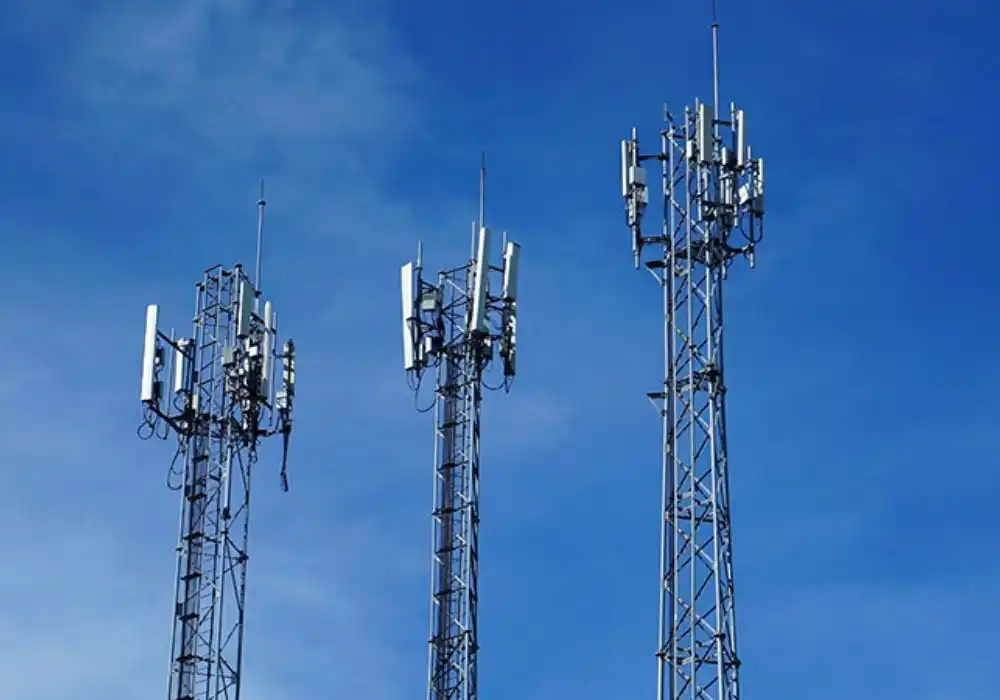
India is currently undergoing a profound digital transformation, and at the heart of this revolution lies a strong commitment to self-reliance. Recently, a monumental stride was made in this direction with the launch of a vast network of new 4G mobile towers, predominantly built with cutting-edge indigenous technology. This isn’t just a connectivity upgrade; it’s a strategic move that has significant implications for India’s technological sovereignty, economic growth, and, importantly, provides crucial insights for those preparing for competitive examinations. We provide concise and accurate daily GK updates for UPSC and PSC.
The Genesis of a Telecom Revolution: What Happened?
The nation witnessed a pivotal moment when Prime Minister Narendra Modi officially launched over 97,500 new 4G mobile towers across the country. This expansive infrastructure, largely established by Bharat Sanchar Nigam Limited (BSNL), includes a staggering 92,600 towers that integrate the latest indigenous 4G technology. The formal inauguration of this ambitious project took place from Jharsuguda in Odisha, marking a significant milestone in India’s journey towards digital independence. This initiative underscores a deliberate shift away from past dependencies, as the Prime Minister highlighted India’s historical reliance on foreign technology for 2G, 3G, and even initial 4G deployments. Now, India stands poised as a global player, not just a consumer, in advanced telecommunications.
Why This Matters: The Pillars of Indigenous 4G
The rollout of these indigenous 4G towers is far more than a simple expansion of network coverage. It embodies several core objectives crucial for India’s future:
Strategic Self-Reliance (Atmanirbhar Bharat): This initiative is a shining example of the “Atmanirbhar Bharat” vision in action. By developing and deploying our own 4G technology, India drastically reduces its reliance on foreign vendors for critical telecom infrastructure. This not only bolsters national pride but also strengthens India’s strategic autonomy in a sector vital for economic and national security. It signifies India’s capability to innovate and execute complex technological projects independently.
Bridging the Digital Divide: A primary goal of this massive expansion is to extend high-speed internet connectivity to unserved and underserved rural and remote areas. Improved connectivity is fundamental to inclusive growth, enabling better access to e-governance services, digital education platforms, telemedicine, and online marketplaces. It empowers communities that were previously marginalized from the digital mainstream, fostering social and economic equity across the nation.
Empowering BSNL: This project represents a significant revitalization for BSNL, the public sector telecom giant. By entrusting BSNL with the deployment of this indigenous technology, the government reaffirms its commitment to strengthening public enterprises. BSNL’s extensive reach, particularly in rural and semi-urban areas, is critical to ensuring that the benefits of digital connectivity permeate every corner of the country.
Economic Impact & Job Creation: The entire process of designing, manufacturing, and deploying indigenous 4G technology creates a robust ecosystem that fosters local innovation. This translates into substantial job creation within the telecom manufacturing, research and development, and service sectors, stimulating economic growth and skill development across India.
How This Impacts You, the Aspiring Professional
For those diligently preparing for competitive examinations like UPSC, SSC, PSC, NID, NIFT, and various other government job tests, this development is a treasure trove of information.
Current Affairs Goldmine: This event is a prime example of a significant current affairs topic. Expect questions on the Prime Minister’s role, BSNL’s revival, the concept of indigenous technology, government policies related to Digital India and Atmanirbhar Bharat, and the strategic importance of telecom.
General Knowledge Booster: Understanding the basics of 4G technology, the role of public sector undertakings in national development, and the implications of technological self-reliance are essential for the General Knowledge sections of many exams.
Policy & Governance Insight: This initiative offers valuable insights into the government’s focus on technological sovereignty, rural development strategies, and reforms within public sector enterprises. It provides excellent material for analytical questions, essay writing, and comprehensive understanding of policy implementation.
Enhanced Learning Accessibility: On a practical level, improved connectivity, especially in remote areas, means better access to online educational resources, digital libraries, and specialized platforms like myentrance.in. This directly benefits your exam preparation by ensuring you have uninterrupted access to quality study materials, interactive examinations, and daily news updates, no matter where you are.
Looking Ahead: The Road to 5G and Beyond
This successful indigenous 4G rollout is more than just an end in itself; it’s a crucial stepping stone. It lays a solid foundation for India’s future ambitions in the telecom sector, particularly the rapid and self-reliant deployment of 5G and subsequent generations of mobile technology. The nation’s sustained focus on digital transformation, powered by indigenous innovation, will continue to shape India’s economic landscape and global standing for decades to come.
Frequently Asked Questions
1. What is the significance of “indigenous technology” in this 4G rollout?
Indigenous technology means the equipment and software used are designed and manufactured within India. This is crucial for achieving self-reliance (Atmanirbhar Bharat), reducing dependence on foreign vendors for critical communication infrastructure, boosting local manufacturing, creating jobs, and ensuring national security.
2. Which public sector undertaking is primarily responsible for establishing these new 4G towers?
Bharat Sanchar Nigam Limited (BSNL) is the primary public sector undertaking responsible for establishing these new 4G mobile towers across the country, playing a vital role in expanding India’s digital footprint.
3. From which location was this major indigenous 4G tower initiative officially launched?
The official launch of this significant indigenous 4G tower initiative was carried out by Prime Minister Narendra Modi from Jharsuguda in Odisha, marking a pivotal moment in India’s telecom journey.
4. How does this indigenous 4G expansion contribute to the “Digital India” vision?
The indigenous 4G expansion is a cornerstone of the “Digital India” vision by extending high-speed internet connectivity to previously unserved and underserved rural and remote areas. This facilitates e-governance, digital education, telemedicine, and economic opportunities, bridging the digital divide and promoting inclusive growth.
5. Why is understanding this development important for competitive exam aspirants?
This development is a critical current affairs topic, demonstrating India’s technological advancements and policy directions. Aspirants should be aware of it for questions related to government schemes (Digital India, Atmanirbhar Bharat), public sector reforms, science & technology, economy, and general knowledge in exams like UPSC, SSC, and PSC.





