
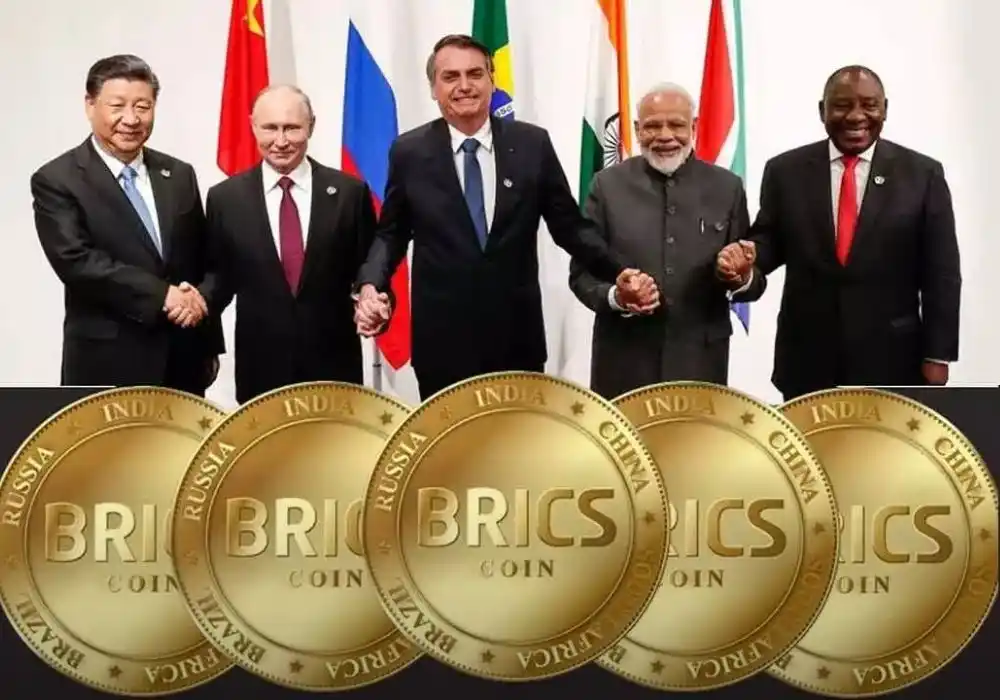
In an increasingly interconnected yet often turbulent world, India stands as a crucial voice advocating for stability and cooperation. Recently, India’s External Affairs Minister, Dr. S. Jaishankar, underscored this commitment by calling upon the BRICS group of nations to champion peacebuilding and diplomacy. This significant statement, delivered during a high-level diplomatic gathering, highlights India’s proactive role in shaping a more harmonious global future and offers vital insights for aspirants of competitive examinations. The daily current affairs digest simplifies your daily revision process.
Why Peace and Diplomacy Matter Now More Than Ever
The global landscape is currently navigating a period of significant stress, marked by geopolitical tensions, economic uncertainties, and a perceived weakening of traditional international cooperation mechanisms. This situation, often termed ‘multilateralism under stress,’ means that collective action on shared global challenges, from climate change to regional conflicts, becomes more difficult. In such an environment, the need for platforms that can foster dialogue and constructive solutions is paramount. India, through its diplomatic initiatives, recognizes that fragmented global efforts only exacerbate problems, making a unified approach through respected international forums essential.
What BRICS Can Do: A Voice of Reason
Against this complex backdrop, Dr. Jaishankar articulated a clear vision for BRICS – an influential grouping comprising Brazil, Russia, India, China, and South Africa. He emphasized that BRICS has consistently emerged as a strong voice of reason and a catalyst for constructive change. His call to action urges BRICS to reinforce messages of peacebuilding and diplomacy, positioning the bloc not just as an economic powerhouse, but also as a significant diplomatic force. This involves leveraging the collective influence of its diverse members to promote peaceful conflict resolution, uphold international law, and advocate for an inclusive global order where all voices are heard and respected. The aim is to move beyond mere statements and actively contribute to de-escalation and long-term stability through collaborative action.
Where and When This Diplomatic Push Unfolded
These important discussions took place during a meeting of the BRICS Foreign Ministers in New York. This gathering was strategically held on the sidelines of the United Nations General Assembly session, providing a crucial opportunity for top diplomats from these major emerging economies to converge. Such high-level meetings are vital arenas for shaping global policy, allowing leaders to address pressing international issues, coordinate their approaches, and reaffirm their commitment to collective action outside the broader UN framework. The timing underscores the urgency with which India views the current global environment and its determination to actively contribute to solutions.
How India Leads the Way in Global Diplomacy
India’s proactive stance within BRICS is a reflection of its broader foreign policy objectives, which prioritize a rules-based international order, peaceful coexistence, and a strong belief in multilateralism. Through Minister Jaishankar’s advocacy, India demonstrates its commitment to strengthening global governance institutions and fostering dialogue among diverse nations. India believes that shared challenges require shared solutions, and by empowering platforms like BRICS, it contributes to building consensus and trust among nations. This approach is not merely about securing India’s national interests but also about contributing to a more stable and prosperous world for everyone. It showcases India’s role as a responsible global actor ready to lead by example in diplomacy and peacebuilding.
Significance for Your Competitive Examinations
For students diligently preparing for examinations like UPSC, SSC, PSC, NID, NIFT, and other government job exams, understanding these developments is absolutely essential. This particular event touches upon critical themes in Current Affairs, International Relations, and General Knowledge. Questions related to global organizations like BRICS, India’s foreign policy, the concept of multilateralism, and key diplomatic statements from prominent figures like EAM S. Jaishankar are frequently tested. Grasping the ‘why, what, where, when, and how’ of such international events not only enhances your general awareness but also provides the in-depth analytical skills necessary to excel in descriptive answer sections. Stay informed and ahead of the curve with myentrance.in’s comprehensive resources, including daily news quizzes and expert-curated content. Make it a habit to stay updated with our gk practice tests for consistent learning.
Frequently Asked Questions (FAQs)
Q1: What is BRICS and what is its primary purpose?
A1: BRICS is an acronym for an intergovernmental organization comprising Brazil, Russia, India, China, and South Africa. Its primary purpose is to promote economic, political, and cultural cooperation among its member nations, fostering a more multipolar world order and advocating for the interests of developing economies on the global stage.
Q2: Why did India’s External Affairs Minister, S. Jaishankar, emphasize peacebuilding and diplomacy for BRICS?
A2: EAM S. Jaishankar underscored the importance of peacebuilding and diplomacy for BRICS because the current international environment is facing significant challenges, including geopolitical conflicts and a weakening of traditional international cooperation mechanisms. He believes BRICS can serve as a strong, collective voice of reason and constructive change to address these global turbulences through dialogue and mutual understanding.
Q3: What does the term “multilateralism under stress” mean in the context of international relations?
A3: “Multilateralism under stress” refers to a situation where the effectiveness and relevance of international institutions and agreements, which involve multiple countries working together, are being challenged. This can be due to rising nationalism, protectionist trade policies, geopolitical rivalries, or a lack of consensus among major powers, making it harder for nations to collectively address global issues.
Q4: How does India benefit from its active participation in BRICS?
A4: India benefits significantly from its participation in BRICS by enhancing its diplomatic influence and strategic autonomy, fostering economic cooperation and trade with major emerging economies, and advocating for reforms in global governance structures to make them more representative. It provides a crucial platform for India to collaborate on issues of mutual interest and project its vision for a more equitable and stable world order.
Q5: Why is understanding developments within BRICS important for competitive exam aspirants?
A5: Developments within BRICS are crucial for competitive exam aspirants because they fall under key sections like Current Affairs, International Relations, and General Knowledge. Questions on global organizations, India’s foreign policy, key diplomatic statements, geopolitical dynamics, and economic cooperation among major powers are frequently asked in exams like UPSC, SSC, PSC, and other government examinations, requiring a strong grasp of these global events.





