
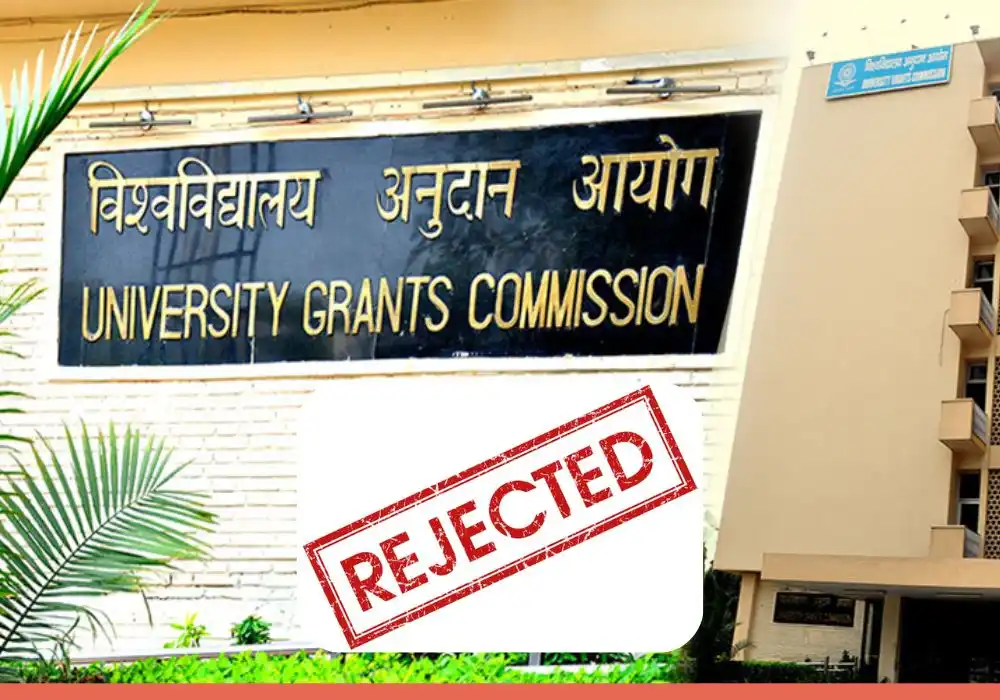
For aspirants meticulously preparing for demanding exams like UPSC, SSC, PSC, NID, NIFT, and other government service examinations, staying informed about major developments in national policy, especially in education, is paramount. Recently, the Kerala government made headlines by firmly rejecting a draft curriculum proposed by the University Grants Commission (UGC). This wasn’t just a political disagreement; it was a significant statement rooted in fundamental principles of education, and understanding its nuances can greatly enhance your current affairs knowledge and analytical skills vital for success. Make it a habit to stay updated with our gk practice tests for consistent learning.
The Core of the Dispute: Why Kerala Said No
At the heart of Kerala’s rejection were two primary concerns: a perceived “failure to respect intellectual rigour” and the imposition of “ideologically driven content.” When an educational body criticizes a curriculum for lacking intellectual rigor, it implies a concern that the proposed framework might not adequately foster deep thinking, critical analysis, or a robust understanding of subjects. It suggests that the curriculum might be superficial, overly prescriptive, or not challenging enough to produce genuinely learned individuals. Furthermore, the accusation of “ideologically driven content” points to a fear that the curriculum might subtly, or overtly, promote a particular worldview, political agenda, or set of beliefs, rather than encouraging open inquiry and diverse perspectives. Kerala’s government argued that education should be free from such biases, prioritizing unbiased academic pursuit and critical faculty development.
National Implications and Your Exam Preparation
This particular development is not just a localized news item; it highlights ongoing debates about curriculum autonomy, the role of central versus state bodies in education, and the philosophy behind what and how students should learn in India. For competitive exam aspirants, these are fertile grounds for questions. For instance, in UPSC Civil Services Mains, an essay on “Federalism in Education” or “The Role of Ideology in Curriculum Design” could directly draw upon such real-world examples. Similarly, in Current Affairs sections for SSC or PSC exams, you might encounter questions about the functions of the UGC, recent educational policies, or specific state government stances on national frameworks. Understanding the “why” behind such rejections, rather than just memorizing the “what,” equips you with a deeper grasp of governance and social issues, making your answers more insightful and well-rounded. It also reinforces the importance of approaching information with a critical lens, a skill invaluable in all competitive exams.
Developing a Critical Perspective for Success
MyEntrance.in believes that true preparation goes beyond rote learning. Engaging with such news helps you develop an informed perspective. It encourages you to think about the objectives of education – is it merely to impart information, or to foster independent thought and critical citizenship? When you prepare for competitive exams, especially those demanding analytical answers or essay writing, knowing about debates like the Kerala-UGC curriculum issue allows you to present well-articulated arguments, supported by contemporary examples. It demonstrates your awareness of societal challenges and policy dynamics, aspects highly valued by examination boards. Keep following such developments, relate them to your syllabus, and always strive to understand the underlying principles and broader impact. You can stay ahead with our gk exam updates delivered straight to you.
Frequently Asked Questions (FAQs):
1. What is the University Grants Commission (UGC)?
The University Grants Commission (UGC) is a statutory body established by the Indian Union government in accordance with the UGC Act of 1956. Its primary role is to coordinate, determine, and maintain standards of university education in India, including providing recognition to universities and disbursing grants.
2. Why is a curriculum important for competitive exam aspirants?
While competitive exams primarily focus on testing your knowledge and aptitude, the national curriculum sets the foundational academic standards and often influences the general knowledge base expected of educated individuals. Developments in curriculum policy can become important current affairs topics, provide context for General Studies questions, and even shape the broader educational landscape from which exam content is drawn.
3. What does “intellectual rigor” mean in an educational context?
Intellectual rigor refers to the academic quality of a curriculum or course of study, emphasizing depth, critical analysis, logical reasoning, and evidence-based understanding. A rigorous curriculum challenges students to think deeply, question assumptions, evaluate information critically, and engage with complex ideas rather than just memorizing facts.
4. How can I stay updated on important educational policy news like this?
Regularly reading reputable national newspapers, following official government education portals, and utilizing specialized educational resource platforms like MyEntrance.in for curated current affairs and news analysis are excellent ways to stay informed about significant educational policy developments relevant to your competitive exam preparation.
5. Will this specific curriculum rejection directly affect my upcoming competitive exams?
While this particular event highlights an important debate in education, it’s unlikely to directly alter the syllabus of your immediate competitive exams. However, it is highly relevant for Current Affairs, General Studies (especially for topics on governance, education policy, and federalism), and can serve as excellent material for essay writing or interview discussions, demonstrating your awareness and analytical skills.





