
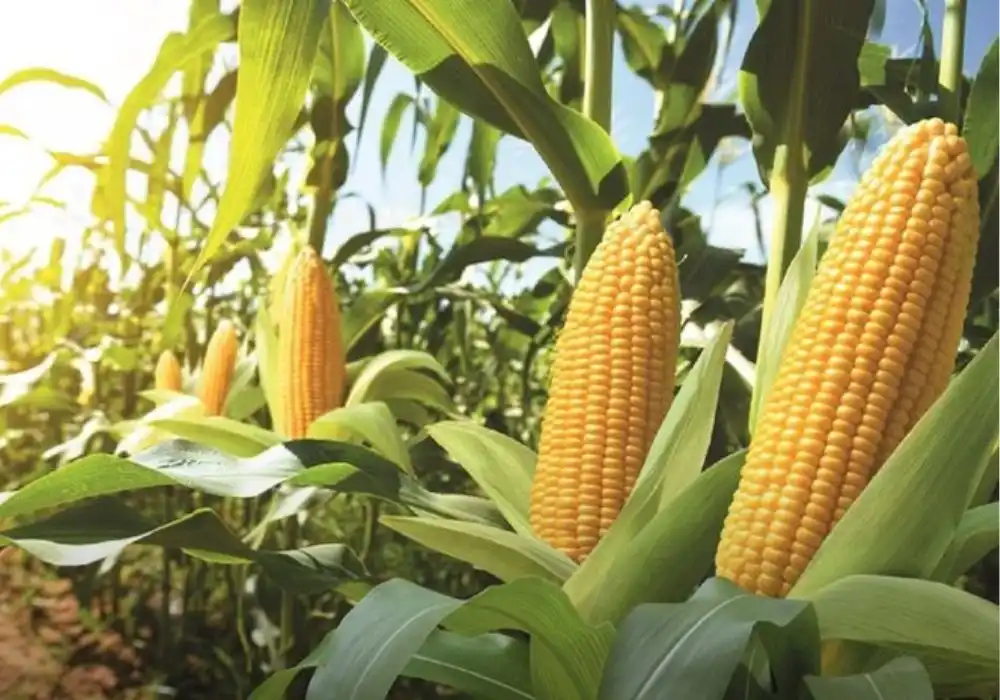
The intricate dance of global commerce often reveals fascinating intersections of economics, policy, and science. A prime example currently unfolding is the persistent trade discussion between two of the world’s largest democracies, India and the United States, specifically concerning the import of American corn into the Indian market. This isn’t just about a mere commodity; it’s a profound dialogue touching upon national agricultural sovereignty, food security, environmental concerns, and the future of bilateral trade relations. Understanding this complex issue is crucial for anyone keen on grasping the nuances of international economic policy, especially for those preparing for competitive examinations like UPSC, SSC, and other government service tests. Your preparation is incomplete without these daily exam-centric current events updates.
Why India Hesitates: The GMO Question and Farmer Protection
At the heart of India’s reluctance lies a deeply rooted and well-considered concern over Genetically Modified Organism (GMO) maize. While the United States, a global leader in agricultural technology, widely cultivates and exports GMO corn, India maintains a cautious stance. The primary apprehension stems from several critical factors: potential long-term environmental impacts on its diverse agricultural ecosystem, the unknown health effects on consumers, and, most crucially, the socio-economic implications for its vast agricultural community. Indian farmers, predominantly smallholders, fear that an influx of competitively priced American GMO corn could severely destabilize domestic prices, thereby eroding their already fragile livelihoods. There are also concerns about the potential for genetically engineered traits, such as pest resistance or herbicide tolerance, to spread to local, non-GMO crops, creating unforeseen agricultural challenges. For a nation where agriculture remains the economic backbone for millions, protecting these interests and ensuring food security are paramount national priorities.
The American Perspective: Trade Balance and Export Ambitions
From Washington’s vantage point, the push for corn exports to India is a strategic move driven by multiple factors. The United States boasts a massive surplus of agricultural produce, including corn, and is constantly seeking new international markets to bolster its farming sector and improve its overall balance of trade. For the US, opening the Indian market represents a significant economic opportunity, viewed as a natural progression in strengthening the comprehensive bilateral trade ties between the two nations. Proponents of US corn exports often highlight the efficiency and productivity of their advanced agricultural practices, including the benefits of GMO technology, in meeting global food and feed demands in a cost-effective manner. They see it as a way for India to access high-quality, abundant feed for its burgeoning livestock sector and raw material for industrial applications.
The Ethanol Factor: A Shared Interest, Divergent Approaches
Interestingly, both nations share an increasing strategic interest in ethanol production as a cleaner, alternative fuel source. India is aggressively expanding its ethanol blending program, which currently relies heavily on domestic agricultural produce such as sugarcane and surplus rice. Globally, corn is a major and efficient feedstock for ethanol. While India seeks to boost its domestic corn production for this very purpose, the US sees its surplus corn as a readily available, cost-effective solution for India’s growing ethanol needs. However, India’s strategy prioritizes utilizing its own agricultural excess, thereby supporting its extensive network of farmers and ensuring energy independence, rather than becoming reliant on imported genetically modified crops for this critical and strategic sector. This difference in approach highlights a deeper divergence in national economic strategies and agricultural policy.
Navigating a Path Forward: Towards Balanced Trade Solutions
Resolving this intricate trade knot requires more than just commercial negotiation; it demands a comprehensive approach that respects the economic sensitivities and national priorities of both economies. Potential pathways to a balanced resolution include increased scientific dialogue and collaborative research on food safety, environmental impact assessments of GMOs, and transparent regulatory frameworks, all designed to build mutual trust and understanding. Exploring non-GMO corn varieties from the US as potential export options, or establishing specific import quotas that are carefully calibrated not to disrupt India’s domestic agricultural market, could also be considered. Ultimately, any sustainable solution must reconcile the US’s export ambitions with India’s imperative to protect its food security, farmer welfare, and environmental integrity, paving the way for a more robust, equitable, and mutually beneficial trade partnership in the long term. This intricate balance of global trade, domestic policy, and scientific opinion offers rich material for analysis, invaluable for exam preparation across various disciplines. Sharpen your GK skills with our curated daily news questions and answers.
Frequently Asked Questions (FAQs)
1. What is the core issue driving the India-US corn trade dispute?
The fundamental disagreement revolves around India’s reluctance to import genetically modified (GMO) corn from the United States. This resistance is primarily due to deeply held concerns about potential impacts on farmer livelihoods, national food security, environmental implications, and a cautious approach to GMO technology, while the US actively seeks to expand its agricultural export markets for its abundant corn supply.
2. Why is India particularly concerned about importing GMO maize?
India’s apprehensions stem from several critical factors: the potential for domestic corn prices to plummet, thus adversely affecting the millions of small and marginal Indian farmers; possible environmental risks associated with the spread of genetically modified traits; and a long-standing national policy that prioritizes self-reliance in food production and maintains a stringent regulatory stance on GMO crops.
3. How does ethanol production influence this trade discussion between India and the US?
Both India and the US share a strategic interest in expanding ethanol production as a clean energy source. While the US views its surplus corn as an ideal and cost-effective feedstock for India’s growing ethanol program, India’s strategy focuses on utilizing its own agricultural surplus, such as sugarcane and rice, for ethanol production. This approach supports domestic farmers, reduces reliance on imports, and enhances energy independence.
4. What are the potential economic impacts for India if it were to import US GMO corn?
Potential economic impacts for India could include a significant depression of domestic corn prices, creating intense competition for Indian farmers, and a possible shift in agricultural practices over time. While proponents suggest it could provide cheaper animal feed and feedstock for industry, India’s leadership is wary of the broader socio-economic and strategic implications without careful management.
5. What are some proposed pathways or solutions to resolve this complex trade dispute?
Solutions frequently discussed involve increased scientific collaboration and transparent dialogue on GMO safety and environmental assessments between the two nations. Exploring the possibility of the US exporting non-GMO corn varieties, or establishing carefully managed import quotas that do not destabilize India’s domestic agricultural market, are also considered. Ultimately, a lasting resolution will require a nuanced understanding and respect for each country’s national agricultural policies and economic priorities.





