
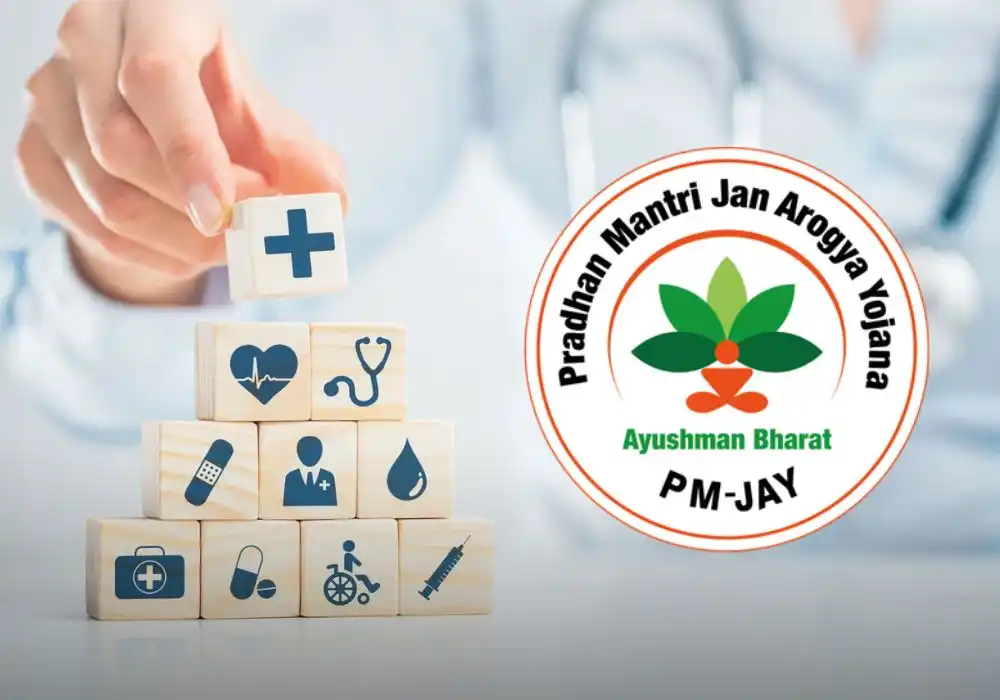
Seven years into its journey, Ayushman Bharat stands as a testament to India’s ambitious stride towards universal healthcare. For every aspirant preparing for competitive examinations like UPSC, SSC, PSC, NID, NIFT, and other government roles, understanding this monumental scheme is not just about current affairs; it’s about grasping the core of India’s social welfare, governance, and public health initiatives. This article delves deep into Ayushman Bharat, dissecting its objectives, mechanisms, and far-reaching impact, making it invaluable for your daily news quiz, static general knowledge, and examination tips. Sharpen your GK skills with our curated daily news questions and answers.
What is Ayushman Bharat? India’s Dual Approach to Health
At its heart, Ayushman Bharat (meaning ‘Long Live India’) is a flagship national health protection scheme launched by the Government of India. It’s designed to address the healthcare needs of the nation in a holistic manner, focusing on both preventive and promotive health, alongside curative care. It operates on two interconnected pillars: the Pradhan Mantri Jan Arogya Yojana (PMJAY) and Ayushman Bharat Health and Wellness Centers (AB-HWCs). This dual strategy aims to bridge critical gaps in India’s healthcare landscape, ensuring that quality health services are accessible and affordable, especially for the vulnerable sections of society.
Pradhan Mantri Jan Arogya Yojana (PMJAY): The Financial Shield
Why PMJAY? The primary objective behind PMJAY, launched on September 23, 2018, was to mitigate the catastrophic health expenditures that push millions of Indian families into poverty each year. Before PMJAY, a serious illness often meant financial ruin for many. This scheme was conceived as a robust financial shield against such unforeseen medical crises.
What it Offers: PMJAY provides a health cover of up to INR 5 lakh per family per year for secondary and tertiary care hospitalization. This substantial coverage is designed to cover medical procedures, diagnostic tests, pre-hospitalization and post-hospitalization expenses, and even transportation allowances. It ensures that families do not have to choose between their health and their savings.
Who Benefits? The scheme targets over 10.74 crore poor and vulnerable families, identified based on the deprivation and occupational criteria of the Socio-Economic Caste Census (SECC) 2011. This wide net covers approximately 50 crore individuals, making it the world’s largest government-funded health assurance scheme.
How it Works: Beneficiaries receive cashless and paperless access to healthcare services at empaneled public and private hospitals across the country. Through a unique Ayushman Card or e-card, eligible individuals can avail treatment without having to pay upfront. This seamless process removes financial barriers and promotes access to quality medical care.
Ayushman Bharat Health and Wellness Centers (AB-HWCs): Foundations of Community Health
The ‘Where’ of Primary Care: Alongside PMJAY, the Ayushman Bharat initiative also focuses on strengthening primary healthcare delivery through the transformation of existing Sub Health Centers and Primary Health Centers into Ayushman Bharat Health and Wellness Centers (AB-HWCs). These centers are the frontline of healthcare in communities, often located closer to people’s homes.
What Services They Provide: AB-HWCs offer comprehensive primary healthcare (CPHC), moving beyond just maternal and child health services to include a wider range of care. This encompasses screening and management of non-communicable diseases (NCDs) like diabetes and hypertension, care for the elderly, mental health services, basic dental care, eye care, and free essential drugs and diagnostic services. They play a crucial role in preventive health, promoting healthy lifestyles, and early detection of diseases.
The ‘How’: By bringing healthcare closer to the community, AB-HWCs reduce the need for people to travel long distances for basic medical attention. They also act as referral points for PMJAY beneficiaries, guiding them to appropriate secondary or tertiary care facilities when needed. These centers are instrumental in building a healthier India from the ground up, emphasizing health promotion and disease prevention.
Impact and Significance: A True Healthcare Transformation
Ayushman Bharat, especially in its 7th year, has undeniably catalyzed a revolution in India’s public healthcare system. It has dramatically improved access to quality medical care for millions who previously faced significant financial hurdles. By reducing out-of-pocket expenditure, it has acted as a powerful poverty alleviation tool. The scheme fosters health equity by ensuring that even the poorest individuals can access advanced medical treatments. Furthermore, the focus on Health and Wellness Centers strengthens the primary healthcare infrastructure, which is vital for a robust national health system. The collective impact is a healthier, more productive populace, aligning with India’s broader socio-economic development goals.
Ayushman Bharat and Your Competitive Exam Success
For aspirants, Ayushman Bharat is a goldmine of information for various sections of competitive exams.
* Current Affairs: Its anniversaries, new implementations, and policy changes are frequently asked questions.
* General Studies (UPSC/PSC): It features prominently in topics related to social justice, governance, health policy, and government schemes. Understanding its ‘why, what, where, when, and how’ is crucial for both objective and descriptive questions.
* General Awareness (SSC/Other Government Exams): Basic facts about PMJAY, its coverage, and the concept of AB-HWCs are common knowledge-based questions.
Studying Ayushman Bharat provides insights into policy formulation, implementation challenges, and the tangible impact of government initiatives on public welfare. Never miss an important event with our daily current affairs updates for exams.
Frequently Asked Questions (FAQs)
Q1: What is the primary objective of the Ayushman Bharat scheme?
A1: The primary objective of Ayushman Bharat is to achieve Universal Health Coverage in India. It aims to provide free access to healthcare services for the country’s most vulnerable populations, reduce catastrophic out-of-pocket health expenditure, and strengthen primary healthcare delivery across the nation through its two main components.
Q2: Who is eligible for the benefits under Pradhan Mantri Jan Arogya Yojana (PMJAY)?
A2: PMJAY primarily targets over 10.74 crore poor and vulnerable families, covering approximately 50 crore individuals. Eligibility is determined based on the deprivation and occupational criteria derived from the Socio-Economic Caste Census (SECC) 2011, ensuring that the benefits reach those most in need of financial protection against health shocks.
Q3: What services are provided by Ayushman Bharat Health and Wellness Centers (AB-HWCs)?
A3: AB-HWCs offer comprehensive primary healthcare (CPHC), moving beyond just maternal and child health to include a wider range of services. These include screening and management of non-communicable diseases (NCDs), care for the elderly, mental health services, basic dental and eye care, and free essential drugs and diagnostic services, focusing on prevention and early detection.
Q4: How does Ayushman Bharat help in reducing out-of-pocket expenditure for beneficiaries?
A4: Ayushman Bharat, particularly through PMJAY, significantly reduces out-of-pocket expenditure by providing a health cover of INR 5 lakh per family per year for secondary and tertiary care hospitalization. Beneficiaries receive cashless and paperless treatment at empaneled hospitals, meaning they do not have to pay directly for most medical services covered by the scheme.
Q5: Why is it important for candidates preparing for competitive exams to study Ayushman Bharat?
A5: Ayushman Bharat is a crucial topic for competitive exams because it reflects key aspects of India’s governance, social justice, public health policy, and current affairs. Understanding this scheme provides insights into government initiatives for welfare, policy implementation, and socio-economic development, making it relevant for General Studies, current events, and general awareness sections across various examinations.





