
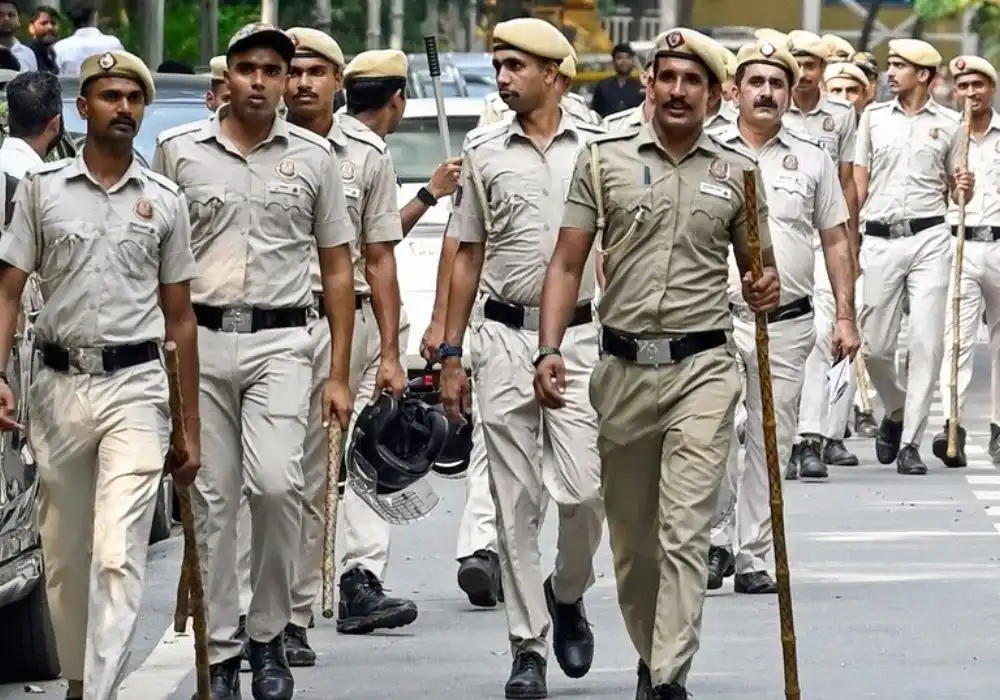
Organised crime presents a formidable challenge to national security and public order, constantly evolving its tactics and expanding its reach. In a decisive move to counter this pervasive threat, the Delhi Police initiated “Operation Aaghaat.” For aspirants preparing for UPSC, SSC, PSC, and other government examinations, understanding such strategic law enforcement interventions is not just about current affairs; it’s about grasping the intricacies of governance, internal security, and criminal justice reforms. This comprehensive guide unravels Operation Aaghaat, offering crucial insights into its genesis, objectives, methodology, and far-reaching implications, all presented from an expert’s perspective to aid your exam preparation. Our expertly compiled static general awareness guide is crucial for success.
The Genesis of “Aaghaat”: Why Delhi Police Acted
The launch of Operation Aaghaat by the Delhi Police in 2025 marks a pivotal moment in India’s ongoing battle against sophisticated criminal networks. The underlying ‘why’ behind this initiative stems from a recognized need to move beyond reactive policing to a more proactive and systematic approach. Delhi, as a major metropolitan hub, often serves as a focal point for various illicit activities, ranging from drug trafficking and human smuggling to extortion and cyber fraud, often orchestrated by highly organised syndicates. The increasing complexity and transnational nature of these crimes demanded a coordinated, intelligence-driven operation that could dismantle these structures from their roots rather than merely apprehending individual perpetrators. This strategic shift reflects a national commitment to fortify internal security and uphold the rule of law against elements that seek to destabilize society.
What is Operation Aaghaat? A Strategic Overview
At its core, Operation Aaghaat is a multi-pronged law enforcement strategy designed to systematically curb organised crime within Delhi and its surrounding regions. The ‘what’ of this operation involves a concentrated effort to identify, track, and neutralise criminal syndicates operating across various domains. Its primary objectives include disrupting financial lifelines of these organisations, apprehending key masterminds and their networks, preventing recruitment, and fostering a robust intelligence-sharing mechanism among different agencies. The ‘how’ of Operation Aaghaat involves leveraging advanced forensic tools, sophisticated data analytics, and extensive human intelligence. It emphasizes a collaborative approach, bringing together various units of the Delhi Police, potentially including cybercrime cells, economic offences wings, and special task forces, to execute targeted raids, conduct detailed investigations, and ensure stringent legal proceedings against those involved. This comprehensive methodology aims to create an environment where organised crime finds it increasingly difficult to operate and flourish.
Implications and Broader Context: Beyond Delhi’s Borders
The ramifications of Operation Aaghaat extend far beyond the jurisdictional boundaries of Delhi, touching upon broader aspects of national security and international criminal networks. Understanding these implications is crucial for subjects like General Studies Paper II (Governance, Polity) and Paper III (Internal Security) in UPSC. India’s global standing in combating organised crime, as reflected in indices like the Global Organised Crime Index, provides a critical backdrop. While specific rankings may vary, the general trend highlights the persistent challenges India faces, often exacerbated by its proximity to regions like the “Golden Triangle”—a significant opium-producing area in Southeast Asia. This geographical proximity often facilitates drug trafficking and associated organised criminal activities that directly impact India’s internal security.
Furthermore, Operation Aaghaat operates within the framework of India’s evolving legal landscape. The provisions of the Bharatiya Nyaya Sanhita (BNS) 2023, which replaces the archaic Indian Penal Code, play a crucial role. The BNS 2023 introduces contemporary definitions and stricter penalties for various crimes, including those perpetrated by organised groups, thereby providing stronger legal teeth to operations like Aaghaat. The proactive measures taken under this operation, therefore, not only aim to restore law and order locally but also contribute to India’s larger efforts to combat transnational crime and uphold international legal commitments. This interconnectedness makes it a vital topic for any aspirant preparing for competitive examinations.
Navigating the Future: The Way Forward
The success of Operation Aaghaat, and similar initiatives, relies on continuous adaptation and foresight. The ‘way forward’ involves strengthening inter-agency cooperation, both nationally and internationally, to tackle the transnational nature of organised crime. Investing in advanced technology for surveillance, data analysis, and cyber forensics will be paramount. Equally important is community engagement to build trust and gather intelligence from the grassroots level. Addressing the socio-economic factors that often push individuals into organised crime also forms a crucial part of a long-term strategy. For government exam aspirants, analyzing the effectiveness and challenges of such operations offers valuable insights into the practical application of policy and law enforcement in a complex, real-world scenario. Improve your score with our focused daily current affairs test series.
Frequently Asked Questions (FAQs)
1. What is the primary objective behind the launch of Operation Aaghaat?
Operation Aaghaat’s core objective is to dismantle and curb organised criminal networks operating within Delhi and its surrounding areas. It aims to shift from reactive policing to a proactive, intelligence-driven strategy to disrupt illicit activities and enhance internal security.
2. When was Operation Aaghaat initiated and by which law enforcement agency?
Operation Aaghaat was launched in 2025 by the Delhi Police as a dedicated effort to combat the growing menace of organised crime.
3. How does the Bharatiya Nyaya Sanhita (BNS) 2023 relate to operations like Aaghaat?
The Bharatiya Nyaya Sanhita (BNS) 2023, which replaced the IPC, provides a modern legal framework with clearer definitions and enhanced penalties for various offences, including those committed by organised criminal groups. This strengthened legal arsenal empowers operations like Aaghaat to prosecute offenders more effectively and deter future crimes.
4. What is the “Golden Triangle” and its significance in the context of organised crime in India?
The “Golden Triangle” refers to a major illicit opium-producing region in Southeast Asia (primarily Myanmar, Laos, and Thailand). Its geographical proximity to India makes it a significant source for drug trafficking into the country, thereby fueling organised criminal activities and posing a direct threat to India’s internal security.
5. Why is understanding Operation Aaghaat important for competitive exams like UPSC?
Operation Aaghaat is crucial for competitive exams as it falls under key syllabus areas such as Current Affairs, Internal Security (GS III), and Governance (GS II). It provides a practical example of law enforcement strategies, the challenges of organised crime, the role of legal reforms (like BNS 2023), and India’s broader security landscape, all of which are frequently tested concepts.





