
The Digital Backbone of Viksit Bharat
In an era defined by rapid technological advancement, understanding how governance evolves is no longer an optional study area but a fundamental requirement for excelling in competitive examinations. The ongoing dialogue around digital transformation, especially as highlighted by key national events, directly shapes the landscape of public administration and, consequently, the syllabi for exams like UPSC, SSC, PSC, NID, NIFT, and other government recruitment tests. For instance, the recent 28th National Conference on e-Governance 2025, held in Visakhapatnam, under the theme ‘Viksit Bharat: Civil Service and Digital Transformation,’ isn’t just news; it’s a critical indicator of future policy direction and a rich source of material for your exam preparation. Organized by the Department of Administrative Reforms & Public Grievances (DARPG) and the Ministry of Electronics & Information Technology (MeitY), in collaboration with the Government of Andhra Pradesh, such conferences encapsulate the ‘why,’ ‘what,’ ‘where,’ ‘when,’ and ‘how’ of modern governance for every aspiring civil servant. Bookmark this page for your daily dose of latest current affairs for exam preparation.
What is e-Governance and Why is it Crucial for India’s Future?
At its core, e-Governance refers to the application of information and communication technology (ICT) to deliver government services, exchange information, communicate transactions, and integrate various standalone systems and services. Its primary objective is to enhance the efficiency, transparency, and accountability of governance, making it more citizen-centric. For a developing nation like India, e-Governance is not merely about digitizing processes; it’s about bridging the digital divide, ensuring equitable access to government services, reducing corruption, and fostering a more responsive administration. The vision of ‘Viksit Bharat’ or Developed India heavily relies on a robust digital infrastructure and an e-governed ecosystem. Understanding this concept is vital because it forms a significant part of the General Studies papers in UPSC, where topics like governance, social justice, and technology are extensively covered. Similarly, for SSC and other state PSCs, questions on government initiatives and technological advancements are common in General Awareness sections.
Digital Transformation: Reshaping Civil Service for the 21st Century
The theme ‘Civil Service and Digital Transformation’ at conferences like the National Conference on e-Governance underscores a fundamental shift in how public services are envisioned and delivered. This transformation involves leveraging digital tools, data analytics, artificial intelligence, and other emerging technologies to streamline administrative processes, improve policy formulation, and enhance citizen engagement. For a civil service aspirant, comprehending this shift is paramount. It’s about recognizing how technology empowers civil servants to be more effective, how it enables proactive governance, and how it fosters a culture of innovation within government. You should be prepared to discuss not just the benefits, but also the challenges, such as data privacy, cybersecurity, and ensuring digital inclusivity. These discussions frequently appear in essay papers, interview rounds, and descriptive sections of competitive exams, requiring a nuanced understanding that goes beyond surface-level facts.
How to Master e-Governance and Digital Transformation for Your Exams
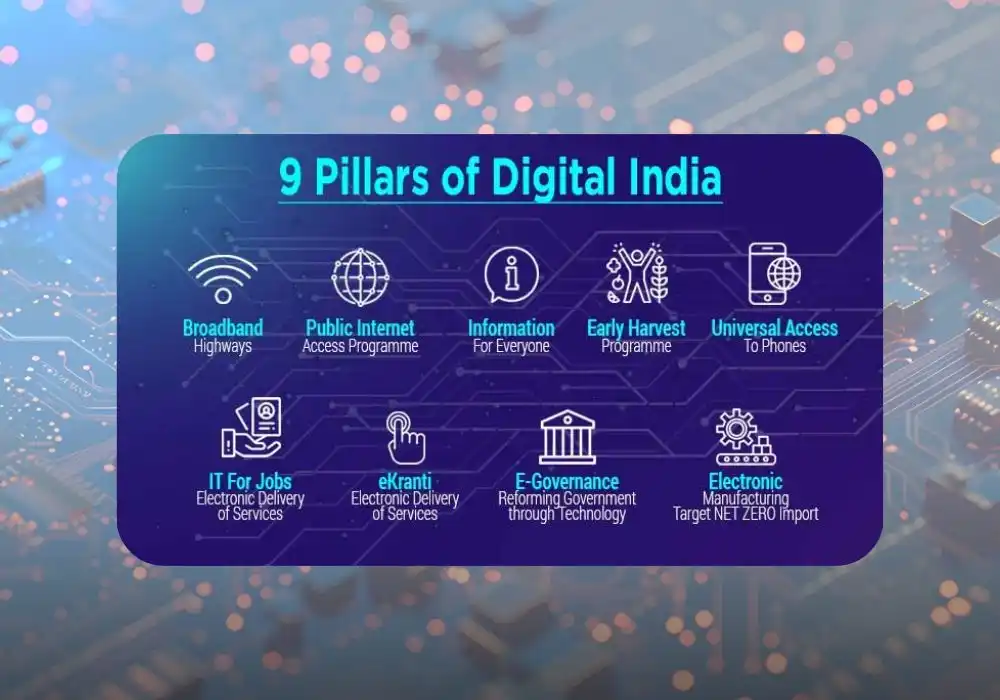
To truly excel, merely knowing about the conference isn’t enough; you need to understand the underlying principles, the various initiatives launched by the government (like Digital India, UMANG, MyGov, etc.), and their impact. Myentrance.in is designed to be your comprehensive guide in this journey. Our educational resources meticulously cover current affairs related to e-Governance, providing you with daily news quizzes that test your understanding of recent developments. Our static general knowledge sections delve into the history and evolution of e-Governance in India, offering a foundational understanding. Furthermore, our interactive examinations and detailed answers for subjects like Public Administration and General Studies are tailored to help you analyze, articulate, and critically evaluate the various facets of digital transformation in governance. By consistently engaging with these materials, you’ll not only stay updated but also develop the analytical skills required to tackle complex questions in UPSC Mains, SSC descriptive papers, and interview stages, turning contemporary events into score-boosting opportunities. This guide simplifies learning static general knowledge for quick revision.
Frequently Asked Questions (FAQs)
Q1: Why is understanding e-Governance so important for competitive exams like UPSC and SSC?
A1: E-Governance is crucial because it’s a core component of modern public administration and a key driver of India’s development agenda, as reflected in the ‘Viksit Bharat’ vision. It directly features in UPSC General Studies papers (especially GS-II: Governance, Constitution, Polity, Social Justice; and GS-III: Technology, Economic Development), and current affairs for all government exams. Questions often assess your understanding of government initiatives, policy impacts, and the role of technology in governance.
Q2: What specific topics within e-Governance should I focus on for my exam preparation?
A2: Focus on government initiatives like Digital India, National e-Governance Plan (NeGP), UMANG App, MyGov, GeM, Aadhaar-enabled services, and specific state-level e-governance projects. Understand the underlying principles (e.g., transparency, accountability, citizen-centricity), the benefits, challenges (cybersecurity, data privacy, digital literacy), and the latest policy developments discussed in national conferences.
Q3: How can myentrance.in help me prepare for e-Governance related questions effectively?
A3: Myentrance.in offers a multi-faceted approach. Our daily news quizzes ensure you stay updated on current affairs related to e-Governance. Our static general knowledge sections provide foundational understanding of its evolution and structure. Additionally, our interactive examinations, complete with detailed answers, allow you to practice and refine your analytical and critical thinking skills needed for both objective and descriptive questions on governance and digital transformation.
Q4: Is the e-Governance topic only relevant for General Studies or also for specific optional subjects in UPSC?
A4: While highly relevant for General Studies, especially GS-II and GS-III, e-Governance is also a significant topic for optional subjects like Public Administration, Political Science, and Sociology. In these optionals, you might need to delve deeper into theoretical frameworks, organizational impacts, and socio-economic implications of digital transformation in governance.
Q5: How can I ensure I don’t just memorize facts about e-Governance but truly understand the concepts?
A5: To move beyond memorization, actively engage with the content. Connect current events (like national conferences) to broader themes and policies. Analyze case studies of successful and challenging e-Governance projects. Participate in discussions, write practice essays, and attempt comprehensive quizzes on myentrance.in. Understanding the ‘why’ and ‘how’ behind initiatives, rather than just the ‘what,’ will deepen your comprehension and improve retention.





