
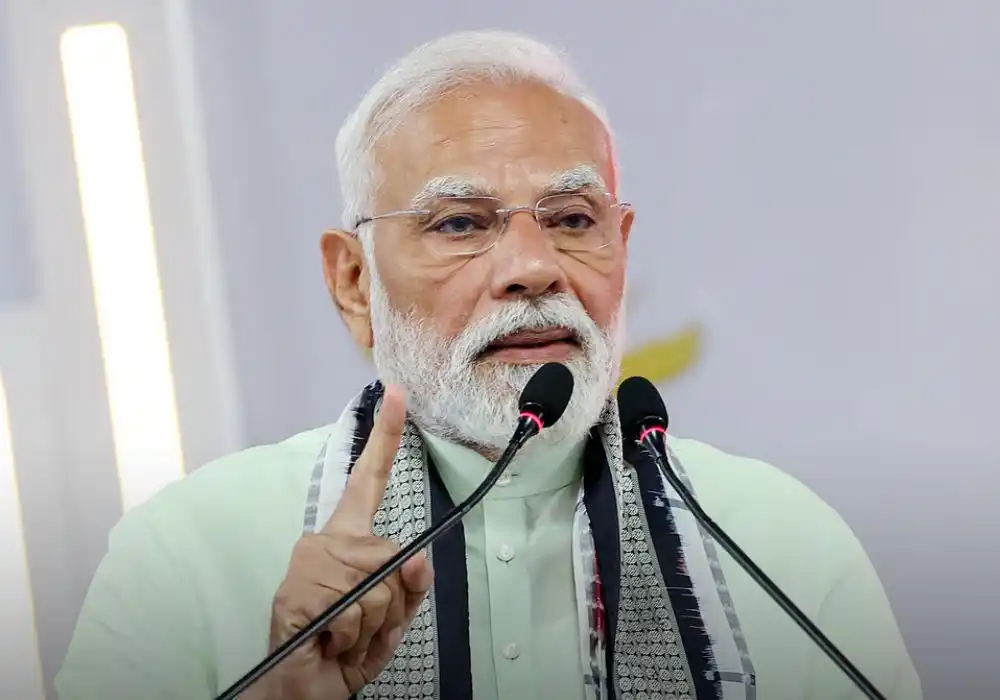
Prime Minister Narendra Modi’s recent visit to Arunachal Pradesh, particularly the laying of foundation stones for development projects worth over ₹5,000 crore in Itanagar, signifies a monumental leap for the state and holds immense importance for aspirants preparing for competitive examinations like UPSC, SSC, PSC, NID, NIFT, and other government recruitment tests. This isn’t just a news headline; it’s a critical current affairs topic interwoven with static general knowledge, economic policy, and India’s strategic vision for its North-Eastern frontier. Understanding the multifaceted implications of such high-profile events is key to mastering your exam preparation. Prepare for current affairs sections by taking our daily current affairs quiz for UPSC and SSC.
The Strategic “Why”: Arunachal Pradesh on the National Map
Why is Arunachal Pradesh, often called the “Land of the Dawn-Lit Mountains,” receiving such a significant focus? The answer lies in its strategic geographical location and immense untapped potential. As a crucial border state, its development is paramount for national security, regional stability, and strengthening India’s “Act East Policy,” which aims to enhance engagement with Southeast Asian nations. The central government’s sustained investment reflects a commitment to integrate the region more closely with the national mainstream, address historical developmental lags, and empower its vibrant populace. These projects are not merely about infrastructure; they are about fostering inclusive growth, enhancing livelihoods, and ensuring that the benefits of national progress reach every corner of the country. For competitive exams, understanding this “why” helps you connect isolated facts to broader governmental policies and strategic objectives.
The “What” and “How”: Unpacking the ₹5,000 Crore Investment
The ₹5,000 crore allocation is poised to bring about a transformative change across various sectors in Arunachal Pradesh. While the specific projects cover a wide spectrum, they primarily focus on critical infrastructure development, which includes improving road, rail, and air connectivity, crucial for a challenging hilly terrain. Enhanced transportation networks are the backbone of economic growth, facilitating trade, tourism, and easier movement of goods and people. Beyond connectivity, these initiatives likely encompass energy projects, aiming to harness the region’s vast hydro potential, and significant investments in the social sector, such as upgrading healthcare facilities and educational institutions.
The “how” involves a robust implementation framework, often through central-state collaborations, leveraging advanced technology, and focusing on sustainable development practices. Such large-scale public spending stimulates local economies by creating employment opportunities, attracting private investment, and boosting various ancillary industries. For exam takers, detailing the types of projects, their expected socio-economic impact, and the governmental machinery behind their execution provides rich content for both objective and descriptive questions.
Connecting the Dots for Your Exams: A Strategy Guide
Understanding events like the Prime Minister’s visit and the launch of mega projects is indispensable for competitive exam success. Here’s how you can leverage this information:
* Current Affairs: Note down the key figures involved, the specific location (Itanagar), the amount invested (₹5,000 crore), and the general scope of projects. Be prepared for questions on recent government initiatives in the North-East.
* Static General Knowledge: This event is a gateway to exploring Arunachal Pradesh’s static GK. Learn about its geography (e.g., major rivers like Brahmaputra’s tributaries, mountain ranges, national parks and wildlife sanctuaries), its unique cultural diversity, tribal communities, state formation, and key historical facts. Also, understand India’s “Act East Policy” in detail.
* Indian Economy: Analyze the economic implications of such investments. Questions might arise on infrastructure development, regional economic disparities, the role of public spending in economic growth, employment generation, and the impact on local industries like tourism and handicrafts. Connect it to national programs like PM Gati Shakti, which emphasizes integrated infrastructure planning.
* Indian Polity & Governance: This highlights the role of the Prime Minister and the central government in regional development. Understand the concept of cooperative federalism, central assistance to states, and the planning and execution process for large-scale national projects.
* Social Issues: Consider the potential impact on local communities, particularly indigenous populations, in terms of development versus displacement, livelihood opportunities, and access to basic services like health and education.
By approaching this news with an analytical mindset, you transform a simple report into a comprehensive study module, strengthening your preparation across multiple subjects. This resource is packed with rapid revision strategies for students.
Frequently Asked Questions (FAQs)
Q1: Why is the Prime Minister’s visit to Arunachal Pradesh and the launch of new projects significant for competitive exams?
A1: Such visits and project launches are crucial current affairs topics that showcase government priorities, strategic regional development, and major economic initiatives. They also serve as a springboard for questions on the geography, economy, polity, and social aspects of the region, making them multifaceted exam preparation material.
Q2: What kind of development projects are typically included in large investments like the ₹5,000 crore for Arunachal Pradesh?
A2: These large-scale investments generally focus on enhancing critical infrastructure, including improving road, rail, and air connectivity, developing energy projects (especially hydroelectric), and strengthening social sector infrastructure like healthcare facilities and educational institutions to foster holistic growth.
Q3: How does the development of Arunachal Pradesh relate to India’s “Act East Policy”?
A3: Arunachal Pradesh’s development is integral to the “Act East Policy” as it forms a crucial part of India’s eastern frontier. Enhancing connectivity, trade, and infrastructure in border states like Arunachal Pradesh strengthens India’s linkages with Southeast Asian nations, facilitating economic and strategic cooperation envisioned by the policy.
Q4: For General Knowledge (GK) sections, what specific information about Arunachal Pradesh should aspirants focus on due to this news?
A4: Aspirants should focus on Arunachal Pradesh’s capital (Itanagar), its strategic location as a border state, major rivers, national parks, wildlife sanctuaries, significant tribal communities, and its unique cultural heritage. Understanding its administrative structure and key economic activities is also beneficial.
Q5: What is the broader economic impact expected from such a significant investment in a region like Arunachal Pradesh?
A5: A ₹5,000 crore investment is expected to stimulate regional economic growth through job creation, particularly in construction and related sectors, attract further private investment, boost local industries like tourism and handicrafts, improve connectivity for trade and commerce, and enhance the overall living standards of the populace by providing better access to services.





